

Straight Line Selling System
About the Workshop
This workshop is based on the concept developed by Jordan Belfort. It has been proven to be the most effective sales system in the market and is guaranteed to increase your sales results if applied properly. Participants will learn the fundamentals of Influence and Persuasion, how to master the art of prospecting, to use tonality to build rapport, to turn qualifying into an art with the proper use of questioning, and how to close with authority.
Participants will also learn to become visionaries and persons of Influence.
Upon completion of the workshop, each participant will complete an action plan to ensure application of the learning.
Learning Objectives
Upon completion of workshop participants will be able to:
• Understand what it takes to master the art of Prospecting
• Capture people’s attention in 4 seconds which is especially important for Medical Sales Reps
• Understand the forces that create lasting results
• Control the sales by using the straight-line approach
• Qualify clients smoothly
• Deliver efficient “presentations”
• Use Language to cut through the Closing
Topics Covered
1. Introduction to Straight Line Selling
a. Two Types of People
b. 3 Attributes to Success
c. The 3 tenets of Straight-line Persuasion
d. Old Sales model vs. New Sales Model vs. Straight Line System
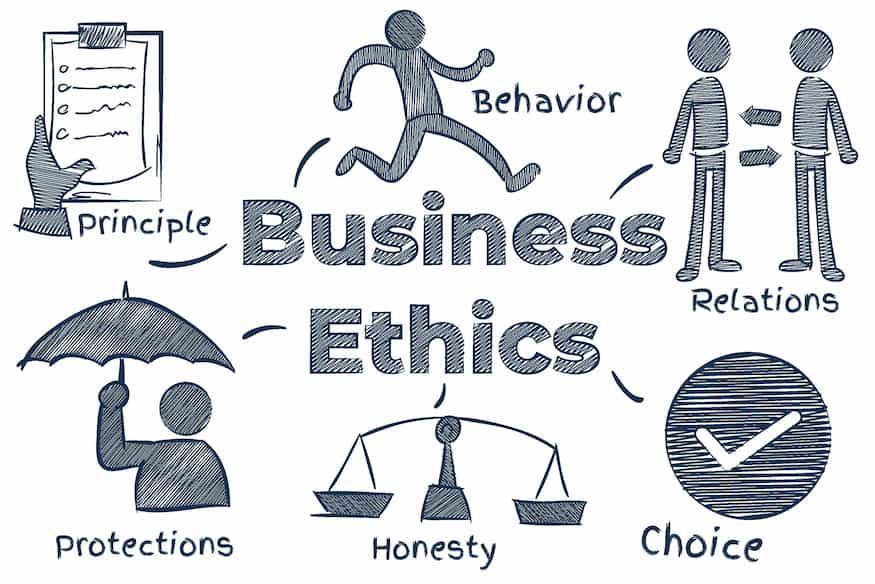
e. Ethical Guidelines
f. 4 Stages of Learning
2. Art of Prospecting – 5 Keys to Mastery
a. 4 Types of Buyers
b. Key 1: Sifting
c. Key 2: The Action Threshold
d. Key 3: Tipping the Scale
e. Key 4: The Sales Funnel
f. Key 5: 3 Things in 4 Seconds
3. The importance of Tonality and Capturing Attention
a. What your tonality needs to prove
b. Average vs. Extraordinary
c. Up-tones
d. Micro-agreement tone
e. Mystery tone
f. Power of the pause
g. Grouping tone
h. Hypnotic Patterns
i. Bottled enthusiasm
j. The Whisper
k. The Reasonable Guy Tone
4. The Secret to Success – Vision and setting goals
a. The Power of Vision
b. Vision vs. Goals
c. Incorporating the “3 musts” of the closing process to your vision
d. Dressing for success
e. Body Language
f. Handshakes
g. Matching and Mirroring
h. Goal Oriented Selling
5. How to create lasting results
a. 5 ways to overcome obstacles
b. Identifying old patterns and behaviors
c. Breaking old patterns
d. Mastering your emotional states
e. How the brain works
f. 3 ways to managing fear
g. Goals: the milestones to achieving lasting results
h. 5 keys for setting effective goals
6. Controlling the Sale using the Straight-Line System
a. The basis of the straight-line system
b. Gathering intelligence
c. Building rapport
d. Questions & Tonality
e. Earning “TENS” from the client
f. Staying on Track
g. Managing your emotional and physical state
h. Making your presentation
i. Asking for the sale
j. 3 ways to overcome buying wounds
k. 2 of the most common objections
l. Changing the way you close the sale
7. Art of Qualifying – Asking the right Questions
a. The right questions The right way
b. Identifying the clients “Why”
c. Memorize Questions in order
d. Asking Permission to ask questions
e. Big picture Questions
f. Specific Questions
g. Ways to keep your Powder Dry
h. The Power of Invasive Questions
i. The Transition
j. Your First “NO”
k. Language Patterns
l. Looping back to the Line
m. Common Mistakes
n. Different Responses to any question
8. Presenting with Authority
a. Getting the client to “10” you on you
b. Getting the client to “10” you on your product
c. Getting the client to “10” you on your company
d. Using Anchors
e. Perfecting your Sales Pitch
f. The soft close
g. The art of Boxing someone in
h. The art of looping
i. Bringing out the big guns
9. The Power of Language
a. Power words
b. Offsetting language patterns
c. Language patterns for looping
d. Closing tonal patterns
e. Trigger words
10. Closing the Sale using the Straight line
a. The Language of Closing
b. Understanding that you have been closing since the moment you dialled the number for the first-time
11. Become a Person of Influence
a. Tonal Attitude towards stalls
b. Handling Objections
c. 5 ways to turn clients into customers for life
d. Motivation
e. Final Tips and Strategies Review
Duration: 18 hours

Social Media Marketing
About the Workshop
This course equips you with critical content creation and management skills. How to create effective social media posts and how to create a strong brand to help you build a social media presence. This includes setting up a content calendar, managing and moderating your posts, analysing data for insights, iteration, and how to increase post effectiveness.
Learning Objectives
Upon completion of workshop participants will be able to:
• How to establish and manage a social media presence
• How to create a brand, tone, and voice for a social media presence
• How to manage a content calendar for a social media presence
• How to evaluate the performance of content on social media and how to iterate on that performance
Target Audience
Learners do not need marketing experience, but they have basic internet navigation skills and are eager to participate and connect in social media. Having a Facebook or Instagram account helps and ideally learners already completed course (Introduction to Social Media Marketing) in this program
Topics Covered
1. Establish your presence
a. Establishing a presence on Facebook
b. Establishing a presence on Instagram
c. What is a brand, and why you need one?
d. The EPIC Brand Framework
2. Social Media Content
a. The role of Content in social media
b. Anatomy of a social media post
c. Anatomy of Facebook post
d. Anatomy of an Instagram post
e. The role of Text in posts
f. The role of Images in posts
3. Social Media Content Management
a. Identify what to post
b. Topics to post about
c. Using Storyboards to plan your content
d. Creating Storyboard
e. What makes your content Viral?
f. Using a content calendar
g. Creating a content calendar
h. Repurposing Content
i. Auditing Content
j. Building a Following on Social Media
k. Interacting and Moderating on Social Media
l. Managing Your Social Media Presence
4. Evaluation and Measuring
a. Measure What Matters
b. Facebook Page Insights
c. Instagram Insights
d. Iterating on Your Content Calendar
e. Evaluate Your Efforts
Methodology
• Learning Concepts/Presentations
• Group Activities and Discussions
• Tips and Tools
• Individual and Team Exercises
• Role Plays/Case Studies
• Educational Videos
• Action Plan to ensure Application of the Learning
• Practice Quiz after each topic
Duration: 12 hours

Sales Program A-Z
About the Workshop
This workshop is intended to develop the skills for those who work in sales or wish to establish a career in one.
It provides the most important principles and concepts, in addition to the latest strategies and effective methodologies, all to sharpen skills while enabling participants to make the most out of them.
Learning Objectives
At the end of this program, the trainee will be able to:
• Learn about successful sales strategies
• Clarify the behaviour of successful sales people
• Develop successful strategies for identifying potential clients
• Apply presentation, communication and persuasion skills in an easy manner
• Develop mechanisms to deal with objections and problems effectively and efficiently
• Develop effective innovative strategies to evaluate client requirements
• Self-evaluation in the presentation and delivery skills
• Devise practical mechanism to follow up with customers after-sales service
Target Audience
This workshop is recommended for people looking to specialize in sales, deal with clients and meet their needs, managers, supervisors, sales and marketing specialists, executives in sales.
Topics Covered
1. Introduction to Selling
a. Defining Selling
b. The Definition of a Seller
c. The Definition of a Buyer
d. Selling
e. Sales Requirements
f. Sales Strategies and Tactics
g. Attitude
h. Ways we sell
i. Person-to-Person
j. Telemarketing
k. Direct Mail
l. Email
m. Internet
n. Seminars & Conferences
o. The Selling Process – Strategies & Tactics
p. The Selling Process
q. Sales Stages
r. Product Knowledge
s. Develop a Positive Sales Attitude
t. Be Excited
2. Prospecting Success Strategies
a. Prospecting
b. What is prospecting?
c. What is a prospect?
d. A Customer Profile
e. Building your Customer Profile
f. Channel Ratings
g. Lead Channels
h. Decision Making Authority
i. The Decision Maker
j. The Decision Influencer
k. Political Influence
l. Financial Influence
m. Technical Influence
n. End-User
3. First Contact Success Strategies
a. First Contact
b. Establishing Buyer Trust
c. Building Rapport
d. Smile
e. Handshake
f. Let’s have some fun
g. Use Names
h. Let the Fun Continue
i. Be Sincere and Friendly
j. Using a Trust Substitute
k. Common Ground
l. Compliment and Affirm
m. Professional Greeting
n. Professional Image
o. Be on Time
p. Body Language and Eye Contact
q. Step 1 – Greeting
r. Step 2 – Introduction & Rapport
s. Attention Grabbers
4. Qualification Success Strategies
a. Qualification
b. The Qualification
c. Buying Criteria
d. Buying Motive
e. Qualification Steps
f. Discovery Questions
g. Discovery Questioning Styles
h. Close-Ended Questions
i. Open-Ended Questions
j. Alternative Questions
k. Assessment Questions
l. Reward Questions
m. Effective Listening
5. Presentation Success Strategies
a. The Presentation Stage
b. Delivering a Prospect-specific Presentation
c. Prospect-specific information
d. Buyer Motives
e. Personal Attention
f. Safety
g. Financial
h. Product Demonstration
i. Success Stories
j. Customer Testimonials
k. Keys to a Powerful Presentation
l. Energy & Passion
m. Be Positive
n. Assume the Sale
o. Summarize
6. Successful Objection Resolution
a. Strategies
b. Resolving Objections
c. Create Objection Responses that reduce Conflict
d. Acknowledge
e. Identify with
f. Resolve
g. Uncovering Hidden Objections
h. Hidden Objection
i. Ready to close
7. Successful Closing Strategies
a. Closing Stage
b. The Fear Barrier
c. Seller’s Fear
d. Buyer’s Fear
e. Buying Signals
f. Verbal Buying Signals
g. Non-Verbal Buying Signals
h. Strategies for closing the sale
i. Direct Close
j. Alternative/Multiple Choice Close
k. Action Close
l. Benefits Close
m. Trial Product Close
n. Objection Close
o. What do you do if your prospect says no
p. What do you do when a sale is lost?
8. Wrap-up & Follow-up Strategies
a. Wrap up & Follow up
b. Referrals
c. Follow up & Repeat Sales
d. Strategies that create repeat sales
Duration: 12 hours

Proposal Writing
About the workshop
This workshop will teach you the most efficient process to plan and organize a business proposal. It also explains how to hone language and tone to make your service, product, or solution more compelling to the client.
This is a practical workshop where you will plan and write an actual work proposal with instructor review and guidance.
Learning Objectives
Upon completion of workshop participants will be able to:
• Employ an efficient process for planning and organizing information and ideas
• Persuasively document the competence, skill, and solutions the company offers
• Format and organize proposals logically
• Express clear deliverables and present fees favorably
• Write with engaging, succinct, and correct language
• Spend 25% less time on each proposal and ensure consistent quality
Target Audience
This workshop is a great fit for individuals or teams who:
• Write new business proposals or respond to RFPs
• Are responsible for sales or marketing
• Are new to writing proposals
• Want to elevate the skills of experienced proposal writers
• Need to save time and frustration when writing proposals
• Write proposals collaboratively and need to streamline that process
• Review proposals before submission
Topics Covered
1. Introduction to professional Writing
a. The Process of Writing
i. Plan
ii. Write
iii. Design
iv. Editing and Proofreading
2. The optimal proposal writing process
a. Writing efficiently
b. Meeting reader needs
c. Providing relevant and persuasive content
d. Eliciting a positive business response.
3. Language and style
How to write a proposal that is:
a. A pleasure to read
b. Formatted persuasively
c. Easy to understand.
4. Practical exercise.
Plan, write, and edit an actual work proposal, with instructor feedback.
Duration: 3 hours

Handling Complaints and Difficult Customers
About the Workshop:
At first glance, handling a difficult customer may seem like a thankless job.
Fortunately, you can develop skills to adapt to the challenges difficult customers pose and extend these skills to handling difficult people and situations throughout your daily life.
By improving the focus of your thoughts and feelings, how you manage stress, and how well you listen to and empathize with others, you will be better able to meet the challenges other people pose in both your professional and personal life.
Implementing the guidelines in this module is the first step in a process towards forever changing how you interact with others.
Learning Objectives:
By the end of this workshop, participants should be able to:
• Cultivate a positive attitude
• Manage internal and external stress
• Develop abilities to listen actively and empathize
• Build a rapport with customers in person and over the phone
• Understand the diverse challenges posed by customers
• Develop strategies to adapt to challenging circumstances
• Handle complaints effectively
• Handle difficult customers
Topics Covered:
1. The Right Attitude Starts with You
• Make Gratitude a Habit
• Keep Your Body Healthy
• Invoke Inner Peace
2. Stress Management (Internal Stressors)
• Irritability
• Unhappiness With Your Job
• Feeling Underappreciated
• Not Well Rested
• Stress Management (External Stressors)
• Manage Your Work Space
• Loud Work Environment
• Co-Worker Relations
• Demanding Supervisor
3. Transactional Analysis
• What is Transactional Analysis
• Parent
• Child
• Adult
• Why are Some Customers Difficult
• They Have Truly Had a Bad Experience and Want to Vent
• Want Someone to be Held Accountable
• They Have Truly Had a Bad Experience and Want Resolution
• They are Generally Unhappy
4. Dealing with the Customer Over the Phone
• Listen to the Customer’s Complaint
• Build Rapport
• Do Not Respond with Negative Words or Emotion
• Offer a Verbal Solution to Your Customer
5. Dealing with the Customer In Person
• Listen to the Customer’s Concerns
• Build Rapport
• Respond with Positive Words and Body Language
• Aside from Words
6. Sensitivity in Dealing with Customers
• Customers who are Angry
• Customers who are Rude
• Customers with Different Cultural Values
• Customers who Cannot be Satisfied
7. Scenarios of Dealing with a Difficult Customer
• Angry Customer
• Rude Customer
• A Customer from Another Culture
• An Impossible to Please Customer
8. Following up With a Customer Once You Have Addressed Their Issue
• Call the Customer
• Send the Customer an Email
• Mail the Customer a Small Token
• Snail-Mail a Handwritten or Typed Letter
9. Lessons Learned
• Post Assessment
• Action Plan
Duration: 9 Hours
Digital Marketing Advanced
About the Workshop
This digital marketing program is meant for professionals looking to pursue a Digital Marketing career, know the fundamentals, and gain hands-on experience, and experienced marketers keen on learning the latest Digital Marketing skills.
Social Media for Business
• The evolution of communication media
• What is social media and why companies should care
• How can social media benefit businesses?
• Developing your social media strategy/content
• Covers a detailed overview of all popular social media platforms
• 10 common mistakes businesses make during start ups
Covered Topics
1. Online Advertising
a. The use of online advertising
b. The elements behind successful online advertising
c. Defining main and target objectives for online advertising
d. Product segmentation in online advertising
e. Identifying target audience
f. Most common types of online advertising
g. Text advertising
h. Banner advertising
i. Sponsorship advertising
j. Text advertising
k. How it works
l. Benefits of text advertising
m. When to use text advertising
n. Elements to improve your ad performance
o. Elements to improve lead generation process
p. Tips for creating a successful text ad advertising
q. Writing a well-structured ad copy
r. Targeting the main three types of customers
s. Selecting proper keywords for text advertising
t. Common mistakes to avoid for keyword selection
u. Banner advertising
v. How it works
w. Benefits of banner ads
x. When to use banner ads
y. Elements that make an effective banner ad
z. Universal standards of banner ads
aa. Google ads fundamentals
bb. Introduction to AdWords
cc. Account management
dd. Campaign and group management
ee. Keyword targeting
ff. Language and location targeting
gg. Ad formats
hh. Budgeting and bidding
ii. Measurement and optimisation
jj. Performance, profitability and growth
kk. Managing multiple accounts
2. Search Engine Optimisation (SEO)
a. What is the process of search engine optimisation
b. Why is SEO important for business?
c. Search engine basics
d. What are crawlers
e. What is indexing
f. Search engine algorithm and index
g. What is meta-tags
h. Basic SEO checklist
i. SEO fundamentals
j. Getting keywords for SEO
k. Optimizing digital assets
l. Making search engine friendly
m. Most common mistakes of SEO
n. SEO migration plan
o. Link building for better SEO
p. Search analytics
q. Other common techniques of SEO
3. Email Marketing
a. What is email marketing
b. Why we still use email marketing
c. The basics of email marketing
d. Building connections for a better email marketing campaign
e. Where to build your connections’ list
f. How to build your connections’ list
g. Collecting information and permissions for organic email marketing campaigns
h. Creating valuable email marketing
i. Informative email characteristics
j. Promotional email characteristics
k. Common practices for a successful email marketing campaign
4. Web Marketing Analytics
a. Why do we need a web marketing analytics tool?
b. Most common tools for website measurement
c. How and when the collected data will help your marketing campaign
d. Defining the elements of web marketing tools
Duration: Introduction 18 hours, Advanced 6 hours for each Topic

Consultative Selling
About the workshop
This workshop has been created to help participants master sales from A to Z. Participants will be able to learn tools and techniques that will lead to better sales.
Upon completion of the workshop, participants will complete an action plan to ensure/monitor application of the learning.
Learning Objectives
By completing this workshop, you will be able to:
• Identify sales models
• Understand and apply the sales process
• Communicate successfully and use body language
• Understand and identify different behavioral styles
• Use the right questions the right way
• Handle objections and close deals
• Understand the basics of negotiation
Topics Covered
1. The Sales Process
a. Cold Calling
b. Meetings
c. Proposals
d. Negotiation
e. Closing
f. After Sales
2. Sales Funnel
a. Prospecting
b. Qualifying
c. Identifying needs
d. Presenting Solutions
e. Managing Objections
f. Closing the Sale
g. Follow-up and Referrals
3. Sales Communication
a. The First Impression
b. Believability
c. The Importance of Tonality and Capturing Attention
d. Building Rapport
e. Listening Skills
f. Understanding Perception
g. Improving Body Language
h. Reading Body Language
i. Dressing for Success
j. Understanding Behavioural Styles
k. Adapting to your Customer’s Style
4. Negotiation Basics
a. Understanding Negotiation Strategies
b. Planning for a Negotiation
c. Negotiation Tactics
d. Dos and Don’ts of Negotiation
Duration: 12 hours