
Workshops Categories
Explore our range of workshops designed to enhance your skills and knowledge.


Vehicle At Workplaces For NGOs
About the Workshop
Vehicles at work continue to be a major cause of fatal and major injuries. Every year there are a huge number of incidents involving transport in the workplace.
Many of these result in people being killed.
Estimates suggest that up to one-third of all road traffic accidents involve someone who is at work at the time.
This workshop is based on Health Safety and Environment Standards and are required to be trained and applied by law in countries around the world.
Learning Objectives
• By the end of this workshop, participants will be able to:
• Help prevent accidents
• Assess and manage vehicle and driver safety
Topics covered
1. Vehicle Safety
a. Safe Vehicles
b. Safe Manoeuvring
c. Inspection, maintenance and repair
d. Right vehicle for the job
2. People’s Safety
a. Initial Training
b. Maintaining standard
c. Defensive Driving
d. What makes a safe driver?
e. How does a safe driver behave?
f. What does a safe driver do?
g. Emergencies
3. Site Safety
a. Traffic Routes
b. Driving surfaces
c. Speed
d. Traffic Management
Duration: 3 Hours

Results Based Management Training For NGOs
About the Workshop
This workshop/training allows participants to successfully identify and develop their Organization’s Results Based Management techniques by enabling them to set up their theory of change, frameworks, Strategy, indicators and M&E plan. In addition, the workshop will help develop their impact measurement and analysis skills. The participants will be trained on these most important aspects of Results Based Management to help them create the impact needed by their respective CSO/NGO.
Learning Objectives
By the end of this training/workshop the participants will be able to:
• Map out their Objectives
• Set up Results Based Management techniques
• Understand how to identify and elaborate their Strategies
• Understand how to spot challenges and identify solutions
• Learn how develop effective problem analysis
• Set priorities
• Measure Results and utilize their reporting skills
Topics Covered
1. Identifying and Knowing your Objectives:
a. What are our workshop objectives?
b. What is your Organization’s goal?
c. How to build your strategy and frameworks based on your objectives?
2. Why is your strategy important?
a. Strategy defines and protects your objectives, mission and vision.
3. Leverage the Organizational and Personal capacities of the team
a. How staff are the key to achieve results-based management
b. What will you need to teach your staff?
4. Identify your Theory of change and Develop a Strategy
5. Understanding your programming context
6. Analysing existing and previous data, inputs and results.
7. Start drafting your strategy:
a. Learn how to draft an effective Framework and strategy based on the above (points 4, 5
and 6)
b. Learn how to commit to the suitable Strategy
c. Learn how implement your Strategy
d. Using lessons learned and Altering as you go techniques.
8. What is data analysis? Why is important?
9. Develop your Monitoring and Evaluation plan
a. Learn how to identify indicators
b. Learn how to commit to plan
c. Build the M&E strategy
10. Build your log frames
11. Reporting. Why is it important for you and for donors?
12. How to measure your results?
13. How to measure frameworks?
14. Build a strong analysis technique
15. Numerical and results analysis
a. Analyse your results and M&E indicators
b. Write advanced reports
c. Put words into action
Methodology
• Learning Concepts/Presentations
• Role Plays
• Group Activities and Discussions
• Tips, Tools and Techniques
• Individual and Team Exercises
Duration: 10 hours

Report Writing For NGOs
About the Workshop
Reports can help develop common purposes and aims, spread successful innovations, build on successes and avoid mistakes from lessons learned.
The purpose of a report is to give an account of something, to offer a solution to a problem, or to answer a question.
A good reporting process is a cyclical one that ensures that feedback and decision making can occur between organizations and contractors/funders.
Reporting principles (transparency and inclusiveness) should be applied to any report preparation to ensure that both the writer and report user share a common understanding of the underpinnings of the report.
Learning Objectives
By the end of this workshop, participants will be able to:
• Understand the different types of reports
• Learn the relevant structure of reports
• Learn how to write a good report
• Learn the processes, principles and styles of good report writing
Topics Covered
1. Introduction
2. Effective Reporting – Processes and Principles
3. Logical Model
4. Types of Reporting
5. Reporting Styles
6. Presentation Tips
Duration: 5 hours

Proposal Writing 2
About the Workshop
A proposal is an essential document that helps cultivate an initial professional relationship.
Proposals should outline the plan of implementation; giving extensive information about intentions for implementation, ways to manage it deliverables.
If proposals are not written correctly, they could cost you the project.
This content-rich workshop teaches the best practices to writing proposals.
Learning Objectives
By the end of this workshop, participants will be able to:
• Understand the different structures of proposal writing
• Understand how to write to relevant audiences
• Choose a writing style
• Format properly
Topics Covered
1. Basic Sections of a Proposal
2. Preparing to Write
3. Organizing your ideas
4. Writing styles
5. Background
6. Procedures
7. Title Page
8. Executive Summaries
9. Abstract
10. Table of Contents
11. Describing projects to “people”
12. References
13. Appendices
14. Other Parts
Duration: 5 hours

Project Cycle Management
About the Workshop
Project cycle management is a creative process involving the needs of the targeted beneficiaries and negotiation of decisions acceptable to key stakeholder groups. This workshop is developed to allow the workers in the humanitarian field to successfully develop and implement a project that suits the needs of the targeted community and can meet with the vision of both the donor and the organization itself.
Learning Objectives
Upon completion of workshop participants will be able to:
• Assess stakeholders, situational, problem, objective and project
• Plan for the project
• Implement the project
• Monitor and report the project
• Evaluate the project
Target Audience
This workshop is targeted at project and program managers in both non-governmental and governmental organizations working on the humanitarian field in its different topics who wish to learn to design, plan and implement projects. This workshop is also ideal for social workers and monitoring and evaluation officers and field coordinator who would like to strengthen, develop and enhance their skills and their capacities in the implementation of their projects.
Covered Topics
1. Assessment
a. Stakeholder Analysis
b. Situational Analysis
c. Problem Analysis
d. Objective Analysis
e. Project impact
2. Planning
a. Logical Framework Matrix
b. Work plans and timeline
c. Cost scheduling and budgeting
3. Implementation
a. Implementation
b. Leading and managing
c. Organizing Work
d. Team building and managing
4. Monitoring and reporting
a. Introduction to monitoring
b. Monitoring tools
c. Cost control and budget follow up
d. Report writing
5. Evaluation
a. Introduction to Evaluation
b. Methods of evaluation
c. Issues of evaluation
Methodology
• Learning Concepts/Presentations
• Group Activities and Discussions
• Tips and Tools
• Individual and Team Exercises
• Role Plays/Case Studies
• Educational Videos
• Action Plan to ensure Application of the Learning
Duration: 10 hours

Planning, Monitoring, Evaluating And Reporting For NGOs
About the Workshop
The aim of this workshop is to develop your skills in the field of program/project monitoring and evaluation. The workshop will cover roles, responsibilities and activities of the monitoring and evaluation team(s) within the seven areas of the program/project cycle approach.
Learning Objectives
Upon completion of workshop participants will be able to:
• Describe and understand the stages of project cycle approach
• Use situation analysis tools effectively
• Develop a framework that links project activities to outcomes and impacts (goals)
• Design SMARTER indicators that effectively identify progress toward project outcomes
• Prepare a M&E plan
• Create a system to collect and compile data
• Differentiate and apply quantitative and qualitative methods
• Demonstrate the ability to use evaluation methods to identify problems and implement changes
Target Audience
This workshop is designed for staff members who are involved in monitoring projects, collecting data, analysing data and evaluating projects (e.g., supervisors, program staff, community workers and management).
Topics Covered
1. Introduction to Project Cycle Approach
a. Stages of Project Cycle Approach
b. What is Project Cycle Approach?
c. The Importance of Project Cycle Approach
2. Introduction to M&E Concepts and Notion
a. What is Monitoring and Evaluation System?
b. The Importance of Monitoring and Evaluation
3. Monitoring and Evaluation Terminology
a. Situational Analysis
i. What is Situation Analysis?
ii. The Importance of Situation Analysis
b. Situational Analysis Tools
i. Needs Assessment
ii. Stakeholder Analysis
iii. SWOT Analysis
4. Project Design and Strategy Development
a. Program Framework and Objectives
b. Log Frames
c. SMART (ER) Indicators
5. Monitoring and Evaluation Plan Design
a. The Purpose of the Monitoring and Evaluation Plan
b. What is the Monitoring and Evaluation Plan?
6. The monitoring and evaluation plan content
a. Quantitative and Qualitative Methods
b. Differences Between Quantitative and Qualitative Methods
c. Quantitative Tools (Surveys)
d. Qualitative Tools (Focus Group Discussions, Key Informant Interviews)
7. Baseline, Implementation, and Monitoring
a. Methods to Set Project Baselines
b. Monitoring Implementation Plan
c. Day to Day Monitoring Activities
d. Monitoring Tracking System
8. Evaluation and Reporting
a. Types of Evaluation
b. Evaluating Projects
c. Capturing and Documenting Lessons Learned
d. Reporting
Methodology
• Learning Concepts/Presentations
• Group Activities and Discussions
• Tips and Tools
• Individual and Team Exercises
• Role Plays/Case Studies
• Educational Videos
• Action Plan to ensure Application of the Learning
Duration: 10 hours

Meal-Monitoring Evaluation, Accountability and Learning
Learning Objectives
• Describe and understand the stages of Monitoring, Evaluation, Accountability and Learning.
• Use situation analysis tools effectively
• Develop a framework that links project activities to outcomes and impacts (goals)
• Design SMARTER indicators that effectively identify progress toward project outcomes
• Prepare an M&E plan
• Create a system to collect, analyse and use data.
• Differentiate and apply quantitative and qualitative methods
• Demonstrate the ability to use evaluation methods to identify problems and implement changes
Target Audience
Managerial position with a minimum of 5 years of experience as Program Managers or minimum of 5 years of experience in the Program Unit in the NGO sector.
Topics Covered
1. Introduction to Project Cycle Approach
a. Stages of Project Cycle Approach
b. What is a Project Cycle Approach? It’s Importance?
2. Identifying and Knowing your Objectives:
a. What is Project or Organizational objectives?
b. How is MEAL related to your Objectives and Outcomes?
c. How to build a Result Based Strategy and frameworks based on your objectives?
3. Why is your strategy important?
a. Strategy defines and protects your objectives, mission and vision.
4. Introduction to M&E Concepts and Notion
a. What is Monitoring and Evaluation System?
b. The Importance of Monitoring and Evaluation.
c. What are Indicators? How to use them?
5. Monitoring and Evaluation Terminology
a. Situational Analysis
b. What is Situation Analysis?
c. The Importance of Situation Analysis
d. Situational Analysis Tools
e. Needs Assessment
f. Stakeholder Analysis
g. SWOT Analysis
6. Project Design and Strategy Development
a. Program Framework and Objectives
b. Log Frames
c. SMART (ER) Indicators
7. Monitoring and Evaluation Plan Design
a. The Purpose of the Monitoring and Evaluation Plan
b. What is the Monitoring and Evaluation Plan?
8. The monitoring and evaluation plan content
a. Quantitative and Qualitative Methods
b. Differences Between Quantitative and Qualitative Methods
c. Quantitative Tools (Surveys)
d. Qualitative Tools (Focus Group Discussions, Key Informant Interviews)
9. Baseline, Implementation, and Monitoring
a. Methods to Set Project Baselines
b. Monitoring Implementation Plan
c. Day to Day Monitoring Activities
d. Monitoring Tracking System
10. Evaluation and Accountability
a. Types of Evaluation Techniques
b. Evaluating Projects and Objectives
c. Accountability in HR management
d. Accountability in Asset and Financial management
e. Accountability in Program and Project management
f. Reporting
11. Learning and Applying
a. How to measure your results?
b. How to measure frameworks?
c. Build a strong analysis technique
d. Numerical and results analysis
e. Analyse your results and M&E indicators
f. Write advanced reports
g. Put words into action
h. Capturing and Documenting Lessons Learned
Methodology
• Learning Concepts/Presentations
• Group Activities and Discussions
• Tips and Tools
• Individual and Team Exercises
• Role Plays/Case Studies
• Educational Videos
• Action Plan to ensure Application of the Learning
Duration: 12 hours

Fundraising And Donor Relationships Training For NGOs
About the Workshop
Throughout this course, participants will be mentored and coached in order develop their knowledge in the non-governmental organization (NGOs) sector. The course will focus on building advanced expertise in Donor Identification and Relationships: identification, initiation and partnership. Participants will be trained on building and maintaining good Donor outsourcing strategies to help insure multiple funding opportunities. Further on, this course will develop the Proposal Writing and Management Skills of the participants to increase the chances of receiving better donor attention and funds. This course uses handouts, case studies, exercises, interactive methods and slides to help learners build and strengthen their understating of the topic.
Learning Objectives
By the end of this training/workshop the participants will be able to:
• Demonstrate the ability to identify, segment, track and approach donors
• Differentiate between the types of proposals
• Develop the proposal’s project idea and write the project proposal
• Recognize key steps in post-proposal submission
Topics Covered
1. Define and Categorize different types of donors for NGOs
2. Prioritize different types of donors to match your organization’s interest
3. Identify where and how to search for donors
4. Identify the key donors in the Syrian NGO context
5. Assess donors’ ability to give and affinity towards your organization
6. Evaluate the organization’s ability to access to donors
7. Define key elements of a donors’ pipeline
8. Manage your donors’ pipeline
9. Differentiate between the types of Proposals: Solicited and Unsolicited
10. Differentiate between the types of Targeted proposals: international donors, government agencies, foundations, and the private sector.
11. Conduct research for a proposal idea
12. Structure and execute Resource and Needs Assessments to support your concept note
13. Recognize the importance of involving different stakeholders in the proposal idea development
14. Explore the different sections of a full proposal, including the supporting document
15. Write, develop and prepare a full proposal
16. Follow-up on proposals – Tips and Advices
17. Learn how to negotiate proposals – Activity and Guidance
18. Restructure & rephrase proposal, submit to another donor
Methodology
• Learning Concepts/Presentations
• Role Plays
• Group Activities and Discussions
• Tips, Tools and Techniques
• Individual and Team Exercises
Duration: 10 hours
English For NGOs
About the Workshop
This workshop has been designed to help employees in NGOs who use English as a working language. It is intended to develop the skills needed to efficiently and effectively carry out their work.
To achieve this goal, the content includes some key rules for grammar, punctuation, and writing styles that will help the attendees become better writers. It also gives a wide variety of vocabulary needed in the field that would vastly improve their communication.
This workshop consists not only of coursework, but also a bank of exercises which guarantees that everyone attending will be able to put what they have learned into practice.
Learning Objectives
Upon completion of workshop participants will be able to:
• Write a concise report, letter, or proposal.
• Write better emails.
• Communicate effectively with other colleagues, officials, and the public.
• Increase their vocabulary and choose more appropriate and persuasive words.
Target Audience
This course is intended to NGOs’ employees who use English as a working language.
Participants are expected to have an intermediate level of the English Language.
Topics Covered
1. Introduction to professional Writing
a. The Process of Writing
i. Plan
ii. Write
iii. Design
iv. Editing and Proofreading
2. Business Letters and emails
3. Report Writing
4. Writing a Successful Project Proposal
5. Writing for Community Relations
6. Using Sentence Variety for more effective communication
7. Special vocabulary used in the field
Duration: 10 hours
Community Engagement For NGOs
About the Workshop
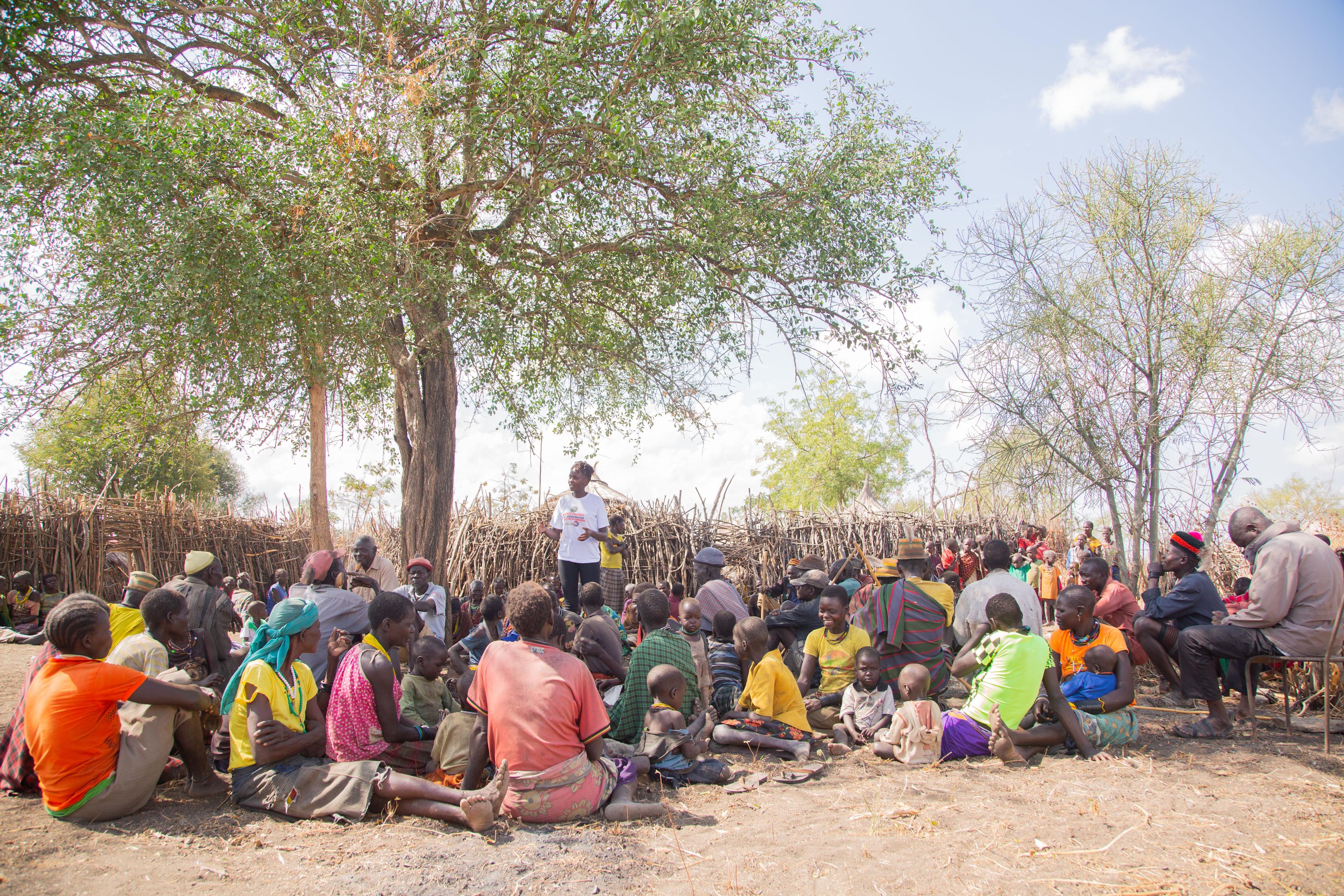
In the Community Engagement and Health Promotion Workshop, participants will be able to connect with the community and deliver their message with high impact.
In addition, this workshop will allow participants become better communicators to be able to introduce and present themselves in a better and more believable way.
Upon completion of the workshop, participants will complete an Action Plan to ensure application of the learning.
Learning Objectives
Upon completion of workshop participants will be able to:
• Create a good first impression
• Convey believability by ensuring the verbal, vocal, and visual elements are consistent
• Understand perception and its effect on communication
• Understand and deal with different personality types
• Develop their charisma
Topics Covered
1. The First Impression
a. First Impressions Count
b. Making a Great First Impression
c. Dress and appearance
d. Body Language
e. The Do’s and the Don’ts
2. Believability and Perception
a. Cues of Believability
b. Verbal, Vocal and Visual Cues
c. Perception
d. Active Listening
3. Understanding Different Personality Types
a. Understanding Your Behavioral Style
b. Identifying Others
c. Adapting to Each Style
4. Delivering Your Message with Charisma
a. Eye Communication
b. Gestures and Facial Expressions
c. Posture and Movement
d. Voice and Vocal Variety
e. Dress and Appearance
f. Language, words, pauses and non-words
g. Humor
h. Listener Involvement
i. The Natural Self
Duration: 12 Hours



%20program.jpg&w=3840&q=75)




Ergonomics
About the Workshop
Ergonomics is the science of designing work environments, tasks, and equipment to fit the needs and capabilities of people. Applying ergonomic principles helps reduce the risk of work-related injuries, prevent musculoskeletal disorders, improve comfort, and enhance employee productivity and well-being.
This workshop is designed to help participants understand the importance of ergonomics in the workplace and identify potential ergonomic risks in their daily activities. It provides practical guidance on maintaining proper posture, setting up workstations, handling materials safely, and adopting healthy work habits to promote a safer, more comfortable, and more productive working environment.
Learning Objectives
By the end of this workshop, participants will be able to:
• Understand the principles and importance of ergonomics in the workplace.
• Identify common ergonomic hazards and risk factors.
• Recognize the impact of poor posture and repetitive movements on health and performance.
• Apply appropriate sitting, standing, and working postures.
• Adjust workstations and equipment to support comfort and safety.
• Apply safe techniques for lifting, carrying, and handling materials.
• Recognize early signs of work-related musculoskeletal discomfort.
• Recommend practical measures to reduce ergonomic risks and improve workplace well-being.
Topics Covered
1. Introduction to Ergonomics
a. Definition and importance of ergonomics
b. The relationship between ergonomics, health, safety, and productivity
c. Common ergonomic hazards in the workplace
d. Musculoskeletal disorders and work-related injuries
e. The role of employees and employers in preventing ergonomic risks
2. Posture and Body Mechanics
a. Understanding proper body alignment
b. Correct sitting and standing postures
c. Neutral posture and joint positioning
d. Repetitive movements and awkward postures
e. Recognizing and correcting poor posture
3. Workstation Ergonomics
a. Principles of ergonomic workstation design
b. Adjusting chairs, desks, and work surfaces
c. Correct positioning of monitors, keyboards, and mice
d. Lighting, screen glare, and visual comfort
e. Organizing tools and equipment for easy access
f. Ergonomic considerations for remote and home-based work
4. Manual Handling and Safe Movement
a. Principles of safe lifting and carrying
b. Pushing and pulling loads safely
c. Handling and moving materials
d. Using mechanical aids and available equipment
e. Identifying risks associated with heavy loads and repetitive handling
f. Practical techniques to reduce strain and injury
5. Ergonomics and Daily Work Habits
a. Managing prolonged sitting and standing
b. Taking appropriate breaks and changing positions
c. Stretching and simple movement exercises
d. Managing repetitive tasks and workload
e. Maintaining comfort during computer-based work
f. Developing healthy and sustainable work habits
6. Identifying Risks and Improving Workplace Ergonomics
a. Recognizing early signs of musculoskeletal discomfort
b. Conducting a basic ergonomic risk assessment
c. Identifying workplace hazards and areas for improvement
d. Applying preventive measures and corrective actions
e. Reporting ergonomic concerns and requesting adjustments
f. Developing an individual action plan to improve ergonomic practices
Methodology
• Learning Concepts/Presentations
• Group Activities and Discussions
• Tips, Tools and Techniques
• Individual and Team Exercises
• Role Plays/Case Studies
• Practical Demonstrations and Workplace Assessments
• Action Plan to Ensure Application of the Learning
Duration: 6 Hours



Work-Life Balance 2
About the Workshop
Achieving a healthy work-life balance is essential for maintaining well-being, productivity, and long-term professional success. In today’s demanding work environment, employees often face challenges in managing competing priorities, meeting deadlines, and maintaining personal commitments, which can lead to stress, reduced motivation, and burnout.
This workshop is designed to help participants understand the importance of work-life balance and develop practical strategies to manage their time, energy, and responsibilities more effectively. It focuses on setting priorities, establishing healthy boundaries, managing stress, and adopting sustainable habits that support both professional performance and personal well-being.
Learning Objectives
By the end of this workshop, participants will be able to:
• Understand the importance of work-life balance and its impact on well-being and performance.
• Identify personal and professional factors that affect work-life balance.
• Recognize common sources of stress and signs of burnout.
• Apply effective time-management and prioritization techniques.
• Establish healthy boundaries between work and personal life.
• Develop practical strategies for managing stress and maintaining energy.
• Improve their ability to manage competing responsibilities and expectations.
• Develop an individual action plan to achieve a more sustainable work-life balance.
Topics Covered
1. Understanding Work-Life Balance
a. Definition and importance of work-life balance
b. The relationship between work, personal life, and well-being
c. Common challenges in balancing professional and personal responsibilities
d. The impact of work-life imbalance on productivity, relationships, and health
e. Identifying personal values and priorities
2. Time Management and Prioritization
a. Understanding how time is currently spent
b. Identifying urgent versus important tasks
c. Setting realistic goals and priorities
d. Planning and organizing daily activities
e. Managing interruptions and avoiding unnecessary distractions
f. Delegation and effective use of available resources
3. Managing Stress and Preventing Burnout
a. Understanding stress and its common causes
b. Recognizing early signs of stress and burnout
c. Identifying personal stress triggers
d. Practical techniques for managing stress
e. Building resilience and maintaining emotional well-being
f. Incorporating rest and recovery into daily routines
4. Establishing Healthy Boundaries
a. Setting boundaries between work and personal life
b. Managing work-related communication outside working hours
c. Learning to say no professionally and appropriately
d. Managing expectations with colleagues and supervisors
e. Balancing availability with personal time
f. Maintaining healthy boundaries when working remotely
5. Building Healthy Habits and Sustainable Routines
a. The importance of sleep, physical activity, and nutrition
b. Taking effective breaks during the working day
c. Practicing mindfulness and relaxation techniques
d. Maintaining social connections and personal interests
e. Developing routines that support productivity and well-being
6. Creating a Personal Work-Life Balance Plan
a. Assessing current work-life balance
b. Identifying areas for improvement
c. Setting realistic and measurable goals
d. Developing strategies to overcome personal challenges
e. Monitoring progress and adjusting habits
f. Creating an individual action plan for sustainable change
Methodology
• Learning Concepts/Presentations
• Group Activities and Discussions
• Tips, Tools and Techniques
• Individual and Team Exercises
• Role Plays/Case Studies
• Self-Assessment and Reflection Exercises
• Action Plan to Ensure Application of the Learning
Duration: 6 Hours

Self Engineering / Time Management
About the Workshop
Peter Drucker stated: “The output limits on any process are set by the scarcest resource…time is the scarcest resource, and unless it can be managed, nothing else can be managed.”
Time is an extremely valuable resource that cannot be recycled. Many people claim that lack of time is a big problem. It is quite a shock for these people when they come to realize that it is not a problem, but that it is a symptom. It is a symptom of unclear objectives, of poor allocation of priorities, and poor planning.
Utilizing some basic time management principles can mean the difference between constantly managing crisis, and efficient work performance. Although mastering these principles do take time at the beginning, time a busy manger just doesn’t seem to have, within a very short time the benefits become apparent.
Effective management is learning how to put first things first. It is identifying your high leverage tasks that will allow you to achieve your goals and objectives.
Workshop Objectives
By the end of the workshop you will be able to:
• Assess your time management skills and identify areas for improvement
• Categorize tasks based on their importance and urgency
• Identify high-leverage tasks
• Recognize the different time wasters
• Set a strategy to deal with time wasters
• Use planning tools to help you schedule tasks and activities
• Articulate what can be delegated and what you must not delegate
• Delegate tasks more effectively
Covered Topics
1. Pareto’s Law
2. First Things First
3. Time Wasters
4. Dealing with Time Wasters
a. Procrastination
b. Meetings
c. Fatigue, Stress, and ill Health
5. Time Management Strategies
6. Daily Prioritizing
7. Scheduling
8. Planning Tools and Aids
a. Calendars
b. Activity Lists
c. Charts and Boards
d. Computers
e. Tickler Files
f. Daily Planning Calendar
9. Delegation
a. Benefits for the Manager
b. Benefits for the Employees
c. Benefits for the Organization
d. What Prevents Managers from Delegating
e. Pre-requisites of Effective Delegation
f. What to Delegate
g. What You Should Never Delegate
h. Components of Effective Delegation
i. Step-by-Step Delegation Process
10. Other Time Management Tips
Duration: 8 hours

Self Engineering / Stress Management
About the Workshop
By defining stress and learning to understand its effects on emotional health and in turn examine strategies for coping with stress as well as employing meditation techniques, make personal contacts positive and meaningful and explore ways to attain and maintain emotional maturity, you will be able to acquaint others with stress management skills which will increase productivity, performance levels and better attitudes.
Who should attend?
• Anyone coping badly with stress
• Anyone who needs to manage stress effectively
• Anyone with a low tolerance level leading to stress
• Anyone looking to enhance their emotional health
Covered Topics
1. Understanding stress
a. Recognizing stress
b. Identifying behaviour patterns
c. The three stages of stress
d. Examining workplace stress
e. Stress in your workplace
f. Understanding burnout
g. Finding the right amount of stress
2. Taking responsibility for your own stress
a. Identifying stress in your life
b. Coping with stress
c. Stress release
d. Case study: Maria’s overwhelming stress
3. Reducing stress through biofeedback, mindfulness, and meditation
a. Understanding biofeedback and mindfulness
b. Meditation exercise
c. Seven attitudes that contribute to emotional health
4. Improving relationships with self and others
a. Accepting yourself as a unique individual
b. Realistic and unrealistic expectations
c. Assessing your strengths
d. Acknowledging universal human needs
e. Building better relationships
f. Recognizing negative relationship patterns
g. How well do you relate to others?
h. Case study: john relates to family and friends
5. Enhancing your emotional health
a. Understanding emotional maturity
b. Case study: roger deals with a common problem
c. Exploring your own emotional fitness
d. Building self-confidence
e. Solving problems openly
f. Ten tips for maintaining emotional fitness
g. Case study: carol looks ahead
h. Setting personal goals
Approach
• Visual/Audio techniques
• Story telling
• Case studies
• Practice
Duration: 12 hours

Self Engineering / Self Leadership
About the Workshop
Self-leadership is not a destination, it’s a daily process.
Self-leadership does not come with a user manual and by the time we are done with all the trials and errors, we realize that some things cannot be mended, or that we are just lost somewhere.
This lectured course aims to inspire individuals to take daily action towards achieving results and owning their life properly.
Application of what will be introduced is key.
Learning Objectives
By the end of this course, participants will be able to:
• Understand what self-leadership is
• Commit to changing what no longer works
• Discipline themselves
• Correct repeated mistakes
• BE held accountable and responsible
• Create an action plan of good change
Topics Covered
1. Life as a Test
2. It’s YOUR Life
3. Starting a New Chapter
4. Some Motivation
5. Mindset #1: Owning It
6. Mindset #2: Choosing to Think and Feel Effectively
7. Mindset #3: Self-Awareness
8. Mindset #4: Self-Confidence
9. Mindset #5: Self-Efficacy
10. Mindset #6: Influence
11. Mindset #7: Impact
12. Self-Leadership Methods
Duration: 6 Hours


Planning Your Work And Working Your Plan
About the Workshop
This workshop is designed to provide participants with practical planning tools allowing them to turn their goals into reality. Participants will also be able to understand the key elements of planning and organizing - and recognize how they can be readily applied in the work environments.
Learning Objectives
By the end of this workshop, participants will be able to:
• Recognize and practice planning methods
• Gain helpful planning tips and strategies for better coordination
• Develop an Action Plan to Work the Plans
Topics Covered
1. Introduction to Planning
a. Starting with the end in mind
b. Major Types of Planning
c. The Planning Models
d. The Basic Steps
e. The Key Ingredients for Successful Planning
2. Coordinated Planning:
f. Tips and Tools for Better Coordination
g. Determine Your Strengths & Areas of Development
3. Your Plan of Action
h. Strategies
i. Review: The Basic Steps
j. Establishing Priorities
k. A Friendly Reminder
Duration: 6 Hours

Self Engineering / Personal Branding
About the Workshop
Jeff Bezos, CEO of Amazon said “A brand is what people say about you when you are not in the room.”
How does image relate to a person’s success, which in turn is related to the success of the organization they are a part of?
Much like branding being a crucial part of a company’s marketing strategy, personal branding is just as important to anyone operating in any market.
Personal branding follows the same principles of branding and marketing though it is applied to an individual.
This workshop provides a structured approach to help you define, plan and execute a branding strategy for yourself not only for your company.
Learning Objectives
By the end of this workshop, delegates will be able to:
• Take advantage of the best practice guidelines to design their personal brand
• Define their specific expertise to use it to define their personal brand
• Identify their mission statement and goals in order to express themselves with their brand
• Formulate their branding strategy in line with their goals and mission statement
• Design their personal pitch and brand in line with their goals and branding strategy
• Use a number of proven strategies to market their personal brand and publicize themselves
• Adopt presentation skills to utilize to further enhance their “brand”
Topics covered
1. Effective Branding
a. What is personal branding
b. Guidelines to follow when developing your brand
c. The 5-Step approach to personal branding
2. Define Expertise
a. How you should approach personal branding
b. What is your expertise?
3. Define Mission Statement
a. What is a mission statement?
b. What are some examples of poor mission statements?
c. What are the three areas to consider when creating an effective and useful mission statement?
4. Define Branding Strategy
a. What are effective branding strategies?
b. What can you learn from the world of marketing?
c. How can you think like a marketer?
d. Strategies should you consider to promote your personal brand when working for a company
5. Designing your Brand
a. Strategies to help you become more memorable
b. Brand identity and uniqueness
c. Learning from politicians and celebrities
d. Considerations when designing your personal pitch
e. Where is your reputation?
6. Delivering Self-Marketing
a. Important areas to consider when marketing yourself
b. Strategies to help you in self-marketing
7. Situational Presentation Skills for Executives
a. Planning your presentation
b. Structuring the presentation
c. Preparing to present
d. Managing the presentation
e. Presentation checklist
f. Marketing yourself in addition to the content (bringing it all together)
Duration: 12 hours

Self Engineering /Goal Setting
About the Workshop
We sometimes perceive goal setting as putting together a bunch of techniques and applying them across time, which is a big mistake and rarely works.
Each individual is different in terms of tendencies and triggers, we each come from different backgrounds and experiences, it is essential to understand these aspects and what sets us up for failure when it comes to goal setting before actually practicing the famous techniques.
This workshop is rich with self-assessments and packed with knowledge to equip the participants with the needed information and techniques that will allow them to successfully set goals and manage them efficiently.
Learning Objectives
By the end of this workshop, participants will be able to:
• Understand what works and what doesn’t
• Learn their tendencies and triggers
• Grasp a proper understanding of goals and how to prepare for them
• Set goals successfully
Topics Covered
1. Setting Smart Goals
a. What are the different types of goals?
b. The Three P’s
c. SMART goals
d. Pareto’s Law
e. The Productivity Cycle
f. Steps for creating a plan
g. Overcoming Procrastination
h. Attention
i. Rituals
2. The Four Types of Deadlines
a. Imposed deadlines
b. Commitment to other people’s deadlines
c. Our Deadlines
d. No Deadlines
3. How to actually reach your goals
4. The Four Tendencies
a. The Upholder
b. The Questioner
c. The Obliger
d. The Rebel
5. Strategies to Reach your Goals
Duration: 6 hours


Emotional Intelligence
About the Workshop
Emotional Intelligence is defined as a set of competencies demonstrating the ability one has to recognize his or her behaviors, moods, and impulses, and to manage them best according to the situation.
This course will give you the tools you need to be emotionally intelligent in your workplace. An individual with high emotional intelligence can manage his or her own impulses, communicate with others effectively, manage change well, solve problems, and use humor to build rapport in tense situations.
Learning Objectives
By the end of this workshop, participants will be able to:
• Define and practice self-management, self-awareness, self-regulation, self-motivation, and empathy.
• Understand, use and manage their emotions.
• Verbally communicate with others.
• Successfully communicate with others in a non-verbal manner.
• Identify the benefits of emotional intelligence.
• Relate emotional intelligence to the workplace.
• Balance optimism and pessimism.
• Effectively impact others.
Topics Covered
1. Introduction
2. What is Emotional Intelligence?
a. Self-Management
b. Self-Awareness
c. Self-Regulation
d. Self-Motivation
e. Empathy
3. Skills in Emotional Intelligence
a. How to Accurately Perceive Emotions
b. Use Emotions to Facilitate Thinking
c. Manage Emotions
4. Verbal Communication Skills
a. Focused Listening
b. Asking Questions
c. Communicating with Flexibility and Authenticity
5. Non-Verbal Communication Skills
a. Body Language
b. It’s Not What You Say, It’s How You Say It
6. Social Management and Responsibility
a. Benefits of Emotional Intelligence
b. Articulate your Emotions Using Language
7. Tools to Regulate Your Emotions
a. Seeing the Other Side
b. Self-Management and Self-Awareness
c. Giving in Without Giving Up
8. Gaining Control
a. Using Coping Thoughts
b. Using Relaxation Techniques
c. Bringing it All Together
9. Business Practices (I)
a. Understand Emotions and How to Manage Them in the Workplace
b. Role of Emotional Intelligence at Work
c. Disagreeing Constructively
10. Business Practices (II)
a. Optimism
b. Pessimism
c. The Balance Between Optimism and Pessimism
11. Making an Impact
a. Creating a Powerful First Impression
b. Assessing a Situation
c. Being Zealous without Being Offensive
Duration: 12 hours

Critical Thinking
About the Workshop
We live in a knowledge based society, and the more critical you think the better your knowledge will be.
Critical Thinking provides you with the skills to analyze and evaluate information so that you are able to obtain the greatest amount of knowledge from it.
It provides the best chance of making the correct decision, and minimizes damages if a mistake does occur.
Critical Thinking will lead to being a more rational and disciplined thinker.
It will reduce your prejudice and bias which will provide you a better understanding of your environment.
This workshop will provide you the skills to evaluate, identify, and distinguish between relevant and irrelevant information.
It will lead you to be more productive in your career, and provide a great skill in your everyday life.
Learning Objectives:
By the end of this workshop, participants will be able to:
• Understand the components of critical thinking
• Utilize non-linear thinking
• Use logical thinking
• Recognize what it means to be a critical thinker
• Evaluate information using critical thinking skills
• Identify the benefits of critical thinking
• Revise perspective, when necessary
• Comprehend problem solving abilities
Topics Covered:
1. Components of Critical Thinking
• Applying Reason
• Open Mindedness
• Analysis
• Logic
2. Non-Linear Thinking
• Step Out of Your Comfort Zone
• Don’t Jump to Conclusions
• Expect and Initiate Change
• Being Ready to Adapt
3. Logical Thinking
• Ask the Right Questions
• Organize the Data
• Evaluate the Information
• Draw Conclusions
4. Critical Thinkers (I)
• Active Listening
• Be Curious
• Be Disciplined
• Be Humble
5. Critical Thinking (II)
• Seeing the Big Picture
• Objectivity
• Using Your Emotions
• Being Self-Aware
6. Evaluate the Information
• Making Assumptions
• Watch out for the Bias
• Ask Clarifying Questions
• SWOT Analysis
7. Benefits of Critical Thinking
• Being More Persuasive
• Better Communication
• Better Problem Solving
• Increased Emotional Intelligence
8. Changing Your Perspective
• Limitations of Your Point of View
• Considering Others Viewpoint
• Influences on Bias
• When New Information Arrives
9. Problem Solving
• Identify Inconsistencies
• Trust Your Instincts
• Asking Why?
• Evaluate the Solution(s)
10. Putting It All Together
• Retaining Your New Skills
• Reflect and Learn From Mistakes
• Always Ask Questions
• Practicing Critical Thinking
Duration: 9 up to 12 Hours


Building Professional Resilience
About the workshop
Contemporary life is stressful, and we all need to become more resilient both personally and professionally.
Given the current outbreak of COVID-19 and many people’s rising concerns, about their health, their families and their jobs, preserving and building our personal and professional resilience supported by practical, digitally enabled strategies is more important than ever.
Resilience is commonly thought of as the capacity to ‘bounce back’ after stressful life events, but it’s also far more complex than that.
Learning Objectives
Through this workshop you will:
• Explore different definitions of resilience.
• Discover how you can learn to become more resilient.
• Investigate how resilience contributes to career success.
• Explore the role of organisations and communities in building resilience.
• Produce your own resilience plan.
The big question the workshop will answer is: how can we learn to be more resilient?
You will have the opportunity to engage with the facilitator and other participants and share with one another how to build new approaches to resilience and adapt old ones as we all move together through uncertain times.
Topics covered
1. What is resilience and why is it important?
a. What helps us become resilient.
b. Investigating different approaches to resilience.
c. Everyday resilience.
2. Learning to become resilient.
a. Can we learn resilience?
b. Investigating learnt resilience.
c. Ecologies of resilience.
3. Key ideas and principles.
4. Building resilient capabilities and skills.
a. Reframe your problems.
b. Build your way forward.
c. Listening to communicate.
5. Building resilient self-care practices.
a. Mindfulness, self-awareness and self-care.
b. Practicing everyday mindfulness.
c. Sleep on it: how sleep helps build resilience.
d. Revisit how you define resilience.
6. Building resilient values and engagement.
a. Making meaning.
b. Compassion for self and others.
c. Colleagues, friends and teams.
d. Create your own resilience plan.
7. Answering the BIG question.
Duration: 6 hours

Body Language 2
About the Workshop
“The face is the mirror of the mind, and eyes without speaking confess the secrets of the heart.”
St. Jerome quotes
Many studies show that we communicate mainly through body language, especially when we are in an emotional state. Since many of our achievements in life depend on how well we interact with others, it is quite critical to know how to communicate beyond words.
Imagine how much you can gain by reading people by looking at their legs, arms, head, gesture, posture, eyes, mouth and hands, all before they say a single word. You can read their feelings before they tell you about them. There is a huge power in that which allows you to improve your relationships with people, whether at work or in personal life.
Who should attend?
• Anyone
Covered Topics
1. What is body language all about?
2. What are universal non-verbal gestures?
3. How to read body language
4. How to interpret a person's signals on initial contact
5. How to read a person's eyes
6. How to avoid misinterpretation and deliberate faking
7. How to interpret feelings
8. What is the difference between positive and negative body language and how does it affect communication?
9. How to read a person's confidence and frustration
10. How to interpret the eyes and read eye cues
11. How to spot lies, dishonesty, doubts and thinking
Approach
• Visual/Audio techniques
• Story telling
• Case studies
• Practice
Duration: 6 hours

Teamwork And Team Building
About the Workshop
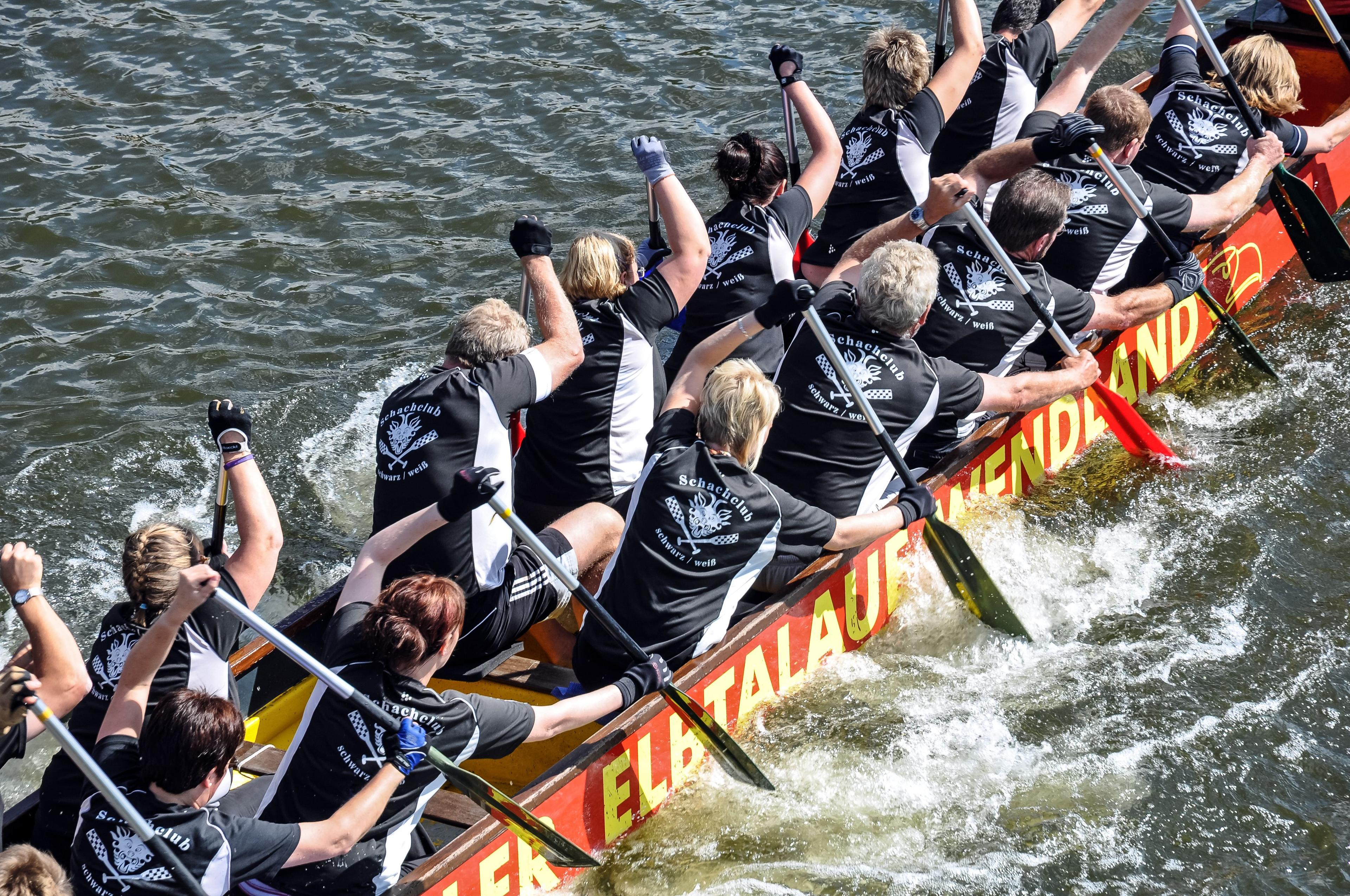
For most of us, teamwork is a part of everyday life. Whether it's at home, in the community, or at work, we are often expected to be a functional part of a performing team. Having a strong team will benefit any organization and will lead to more successes than not.
The Teamwork and Team Building workshop will encourage participants to explore the different aspects of a team, as well as ways that they can become a top-notch team performer. Your participants will be given the details and concepts of what makes up a team, and what factors into being a successful team and team member.
Workshop Objectives
• Describe the concept of a team, and its factors for success
• Explain the four phases of the Tuckman team development model and define their characteristics
• List the three types of teams
• Describe actions to take as a leader – and as a follower for each of the four phases (Forming, Storming, Norming and Performing)
• Discuss the uses, benefits and disadvantages of various team-building activities
• Describe several team-building activities that you can use, and in what settings
• Follow strategies for setting and leading team meetings
• Detail problem-solving strategies using the Six Thinking Hats model -and one consensus-building approach to solving team problems
• List actions to do -- and those to avoid -- when encouraging teamwork






Talent Acquisition Management
About the Workshop
This workshop gives you the knowledge you need to hire top talent and imparts tried-and-true strategies you can use to stay ahead of the curve, all in a convenient online format.
Learning Objectives
By the end of this workshop, you will be able to:
• Identify the criteria for hiring talent through effective interviewing, cutting edge technologies, internal hiring, and attracting a strong, diverse pool of candidates.
• Use methods, strategies, and tools to increase employee engagement
• Leverage people analytics to transform performance management and avoid common mistakes in talent evaluation
Topics Covered
1. Getting Started
a. Icebreaker
b. Housekeeping Items
c. The Parking Lot
d. Workshop Objectives
2. Introduction to TAM & WF Planning
a. What is Talent Acquisition Management?
b. Challenges and Trends
c. Workforce Planning
d. Analyze Existing Workforce
e. Organizational Chart
f. Review Questions
3. Recruiting & Selection Process
a. R&S Policies, Procedures..
b. Candidate Sourcing, Lead Nurturing, Talent Pipelines
c. JA, JD, & Job Evaluation
d. Review Questions
4. Engaging Talent & Onboarding
a. Succession Planning
b. Employer Branding
c. Review Questions
5. Interviews
a. Definations & Types
b. Behavioral Interview
c. Situational Interview
d. Tests
e. Review Questions
6. Employer Value Proposition (EVP)
a. Remuneration, Working Environments
b. Corporate Culture
c. Review Questions
7. HR Analytics Metrics
a. Time to hire, Turnover, Recruitment cost to hire…
b. Case Study
c. Review Questions
Duration: 15 hours

Recruitment And Selection
About the Workshop
Enable participants to upgrade the quality of hires through the International Standards of the actual sample of Recruitment and Selection case.
Learning Objectives
By the end of this module, participants will be able to:
• Identify talents at the very first stage of the recruitment process (internal and external).
• Enhance their recruitment/interviewing techniques in order to select better quality candidates.
Topics Covered
1. Introduction
a. Overview on the role that HR plays in talent acquisition and retention.
b. What are the characteristics of a talent?
c. Overview on Employment Branding as a system to attract and retain talents
2. Risk Identification and Evaluation
a. How do you go about screening applicants/talents?
b. How does the talents selection interviews process go? (internal candidates and
external applicants)?
c. If possible, for the Recruitment Manager to present an overview to the participants
d. Exercise: participants will
i. Identify the risks inherent to this process.
ii. Evaluate the impact of those risks if they were not properly managed.
iii. Prioritizing risks and agreeing on the priority risks to be controlled.
e. Have you recently had any mis-hire or mis-promotion?
f. Exercise: participants will calculate the cost of this mis-hire or mis-promotion.
g. Why Commonplace Hiring Methods Are So Poor?
3. Risk Mitigation
a. Exercise: Participants will have to recommend some controls over the identified
priority risks.
b. Introduce the Top grading technique and tools (History Form, Snapshots, competency
interview guide) as a control technique to increase the quality of hires.
c. Introduce the evidence based and Behaviorally Anchored Rating Scales, and the best
expected actions to look for as another control technique.
d. Exercise: participants will have to agree over risk controls and to develop those.
e. Participants will then integrate the developed risk controls over the actual
recruitment and selection process.
f. Participants will be practicing the enhanced form sample over role plays with
self/peers/facilitator feedback.
g. Evaluation: measuring recruitment efficiency and effectiveness using KPIs and
metrics.
4. Summary and Conclusion
a. Overview of the International career management and succession planning processes
b. Link the learning and outcome to the International Standards of the Career
Management and Succession Planning processes.
c. Team Assignment: each team will be selecting an actual interview form and adding
the BARS and successful actions to look for. They will have to apply this form over
real interviews.
Duration: 8 hours

Learning And Development
About the Workshop
Enable participants to apply the International Standards Best Practices training needs in order to deliver and evaluate training efforts and quality.
Learning Objectives
By the end of this module, participants will be able to:
• Understand and apply the tools proposed by the International Standards over the input, process and output of the ADDIE model (internal and external trainings).
Topics Covered
1. Introduction
a. Overview on: Organizational learning, Learning, training and development,
knowledge retention, concept and characteristics of Adult Learning and the role a
strategic HR plays in L&D.
2. Risk Identification and Evaluation
a. How do you go about Assessing, Designing, Developing, Implementing and Evaluating
training and development?
b. How do you select external training providers?
c. If possible, for the Learning and Development Manager to present a process overview
to the participants
d. Exercise: participants will:
i. Identify the risks inherent to this process
ii. Evaluate the impact of those risks if they were not properly managed
iii. Prioritizing risks and agreeing on the priority risks to be controlled
e. Have you recently had any training program that missed its set learning objectives?
f. Exercise: participants will calculate the cost of this missed training opportunity.
3. Risk Mitigation
a. Exercise: Participants will have to recommend some controls over the identified
priority risks.
b. Overview on the ADDIE model with the outcome expected at each phase.
c. Introduce the ADDIE model tools and techniques as risk mitigation tools and
techniques over the existing ADDIE practices.
d. Analysis Identify the why of the training (Organizational, Departmental or functional
and Individual levels TNA).
i. Exercise: conducting a 3-level training needs analysis using the actual
needs.
e. Design identifying and describing with action verbs the expected proficiency level out
of the program including indicators according to Bloom’s Taxonomy. To be used as
target for evaluating internal trainings and as requirements to be communicated for
external trainings.
i. Exercise: participants will work in teams; each team will choose a level and
topic over the identified needs, writing training requirements and
specifications set training objectives and use appropriate verbs to describe
the desired outcome and objectives.
f. Development overview on several development practices and activities for
developing internal trainings and for selecting external validation criteria and
elements.
i. Exercise: Given the above design, 2 or 3 methods will be developed by
teams for the related design.
g. Implement: Pilot and implement the developed training.
i. Exercise: each developed design will be piloted with the remaining
audience.
ii. Important Notice: Feedback will focus on the application of the method
rather than on the presentation skills given the scope and timing of this
module.
h. Evaluate overview on the Kirkpatrick’s model with focus on activities and techniques
for evaluating level 3 (Measures a change in behaviour) and level 4 (Measures
organizational results).
i. Exercise: teams will be developing the tools for evaluating level 3 and then
for evaluating level 4 for the trainings which they have developed and
implemented.
i. Process Review: have a retrospective on the efficiency (efforts) and effectiveness
(results) of the training delivered from assessment to evaluation so participants.
i. Exercise: each team will review their respective trainings and will conclude
lessons learnt and improvements on their methods and styles.
4. Summary and Conclusion
a. Link the learning and outcome of this module to the International Career
Management and Succession Planning processes.
b. Team Assignment: each team will be applying the controls over the ADDIE model to
selected actual needs.
Duration: 4 hours
Job Analysis And Job Design
About the Workshop
The first line drawn in the design for human resources is the job description, which starts from a draft and ends with the job design. This workshop will put the first brick to build strategy that effect on recruitment, training, development, evaluation and monitoring.
With our Job Description and Job Design workshop your participants will gain better analysis skills and write the job analysis from draft till the design.
Learning Objectives
Upon completion of workshop participants will be able to:
• Develop and write job description
• Identify the required task and duties
• Develop the Job Analysis skills
• Interview skills
• Job family identification
Target Audience
• Anyone who has a business administration degree
• Anyone who works at HR field
Topics Covered
1. Job Analysis
a. Application of job analysis
b. Elements of a job analysis
c. Job specification
2. Methods of Analysis
a. Self-reporting
b. Direct observation
c. Interviews
d. Document reviews
e. Questionnaire and surveys
3. Job Design
a. Comparative framework
b. Job design & technology
c. Job characteristics enrichment
Methodology
• Learning Concepts/Presentations
• Group Activities and Discussions
• Individual and Team Exercises
Duration: 6 Hours

Human Resource Management
About the Workshop
In recent years, tasks that were originally thought to fall under the responsibility of the human resources department have become a part of many managers' job descriptions. The sharing and diffusion of these tasks throughout the organization has had an impact particularly on those that are not equipped with the skills or knowledge to deal with these issues.
The Human Resource Management workshop will give managers the basic tools to handle numerous human resource situations such as interviewing, orientation, safety, harassment, discrimination, violence, discipline, and termination. This workshop will provide your participants those skills and assist them with certain Human Resource situations.
Topics Covered
1. Describe the implications of different aspects of Human Resource Management on your daily responsibilities
2. Define human resources terms and subject matter
3. Recruit, interview, and retain employees more effectively
4. Follow up with new employees in a structured manner
5. Be an advocate for your employees’ health and safety
6. Provide accurate, actionable feedback to employees
7. Act appropriately in situations requiring discipline and termination
8. Evaluate some of the strengths and opportunities for Human Resources in your own workplace
9. Identify three areas for further development within the Human Resources field as part of a personal action plan
Duration: 12 Hours

HR For Non-HR Professionals
About the Workshop
This workshop is designed to help line managers manage their staff better by equipping them with the critical skills of HR. HR for Line Managers focuses on the key issues for line managers, such as handling employee interviews, on-boarding, appraisals, training and grievances...and much more
Learning Objectives
By the end of this workshop, participants will be able to:
• List and apply manager's HR functions
• Define the roles and responsibilities of managers in recruitment and onboarding
• Conduct effective performance appraisal meetings
• Identify and evaluate training needs
• Handle employees’ complaints, grievances and turnover
Target Audience
This workshop will appeal to a wide range of audiences and is intended for Line managers, head of departments, team leaders and supervisors and anyone who wishes to gain knowledge and skills about the human resources functions and how to apply them effectively in his/her department.
Target Competencies
• Recruitment and selection
• Job orientation
• Performance management
• Coaching
• Training and development
• Handling complaints
• Problem solving
Topics Covered
1. Getting the right people
a. What HR is really about
b. Ally with HR department
c. The HR functions of managers
d. Workforce planning
e. Attracting the right talent through referrals
f. Interviewing skills for line managers
g. Building a job profile
h. Preparing technical assessments
2. Welcoming a new family member
a. Onboarding - job orientation
b. Benefits of induction and orientation program to employees and organization
c. First day on the job
d. Induction content
e. Role and responsibility of the new employee’s manager during the first few days
f. Values, culture and code of conducts
g. Evaluating effectiveness of On-boarding
3. Performance management
a. Definition of performance management
b. Overview of the annual performance cycle
c. Mistakes in performance management
d. Employee assessment best practices
e. 360 degree versus 180 degree
f. Coaching, counseling and mentoring
4. Training and development
a. Identifying training needs
b. Career development
c. Succession planning
d. Building a personal development plan
e. Learning styles
f. On the job training
g. Evaluating training effectiveness
5. Handling employee complaints
a. Employee moral
b. The definition of a grievance
c. Grievances versus complaints
d. The grievance handling procedures
e. Your role before, during and after the exit interview
f. Analyzing turnover
g. Healthy versus unhealthy turnover
Duration: 12 hours

Conduct Annual Employees Reviews Workshop
About the Workshop
An annual review can help you keep your employees happy, engaged, and focused. It is human nature to want to succeed. Giving your employees feedback on their positive and negative attributes is part of the pathway to success. A poorly designed annual review can have the reverse effect.
With our Conducting Annual Employee Reviews workshop, your participants will discover how to conduct a well-designed employee review. By determining the categories for an annual review and understanding how it affects employee compensation, an overall increase in performance should be seen throughout your organization.
Workshop Objectives
1. Understand the process of conducting an annual review.
2. Determine the categories for an annual review.
3. Know the mistakes managers make during an annual review.
4. Understand the concept of pay for performance.
5. Know how to tie employee compensation to firm-wide returns.
6. Know the value of employee communication.
7. Gauge employees’ happiness.

Compensation And Benefits
About the Workshop
This workshop guides participants in the process of designing a proper salary structure through leading a job analysis initiative and conducting a salary survey.
Learning Objectives
Upon completion of workshop participants will be able to:
• Define the elements of the employee’s salary
• List typical employee benefits
• Undergo a job evaluation initiative
• Conduct a salary survey
• Design a simple salary structure
Target Audience
This course will appeal to a wide range of audiences and is intended for HR specialists.
Topics Covered
1. The Compensation and Benefits Strategy
a. Internal and External Equity
b. Entitlement Culture Versus Performance Culture
2. Manpower Planning Overview
a. HR Planning Process
b. Elements of Manpower Planning
c. Forecasting
d. Supply Analysis
3. The Employee Salary
a. Basic Salary
b. Other
4. Employee Benefits
a. Benefits According to The Lebanese Code of Labour
b. Additional Benefits
5. Job Evaluation Methods
a. Ranking Method
b. Classification Method
c. Point Method
6. Salary Surveys
a. Salary Survey Methodology
b. Identification of Benchmark Jobs
c. Interpretation of Salary Survey Results
7. Salary Structures
a. Traditional Salary Structures Versus Broad Banding
b. Steps for Building A Salary Structure
Methodology
• Learning Concepts/Presentations
• Group Activities and Discussions
• Tips and Tools
• Individual and Team Exercises
• Role Plays/Case Studies
• Educational Videos
• Action Plan to ensure Application of the Learning
Duration: 12 hours

Career Development And Succession Planning
About the Workshop
60% of organizations have no process for succession planning. This interactive course will enable you to consider the latest methodologies and strategies related to successful engagement, career development and succession planning. The course is also designed to provide tips to create a clear career path and help build your bench. In addition, it will help you plan a succession strategy for a flexible and sustainable business.
Learning Objectives
By the end of this workshop, participants will be able to:
• Demonstrate understanding of the basics of career development and succession planning
• Distinguish succession planning and management from replacement planning, talent management and human capital management
• Compare traditional HR focus with career planning-oriented HR focus
• Explain the role of employee and employer in career development
• Apply innovative corporate career development initiatives
• Evaluate and operate an effective succession planning program to close the developmental gaps in the organization
• Prepare individual development plans and manage career choices
Target Audience
This course will appeal to a wide range of audiences and is intended for Human resources managers, line managers, HR business partners, team leaders and specialists.
Target Competencies
• Deciding and initiating action
• Working with people
• Relating and networking
• Persuading and influencing
• Presenting and communicating
• Analytical thinking
• Following instructions and procedures
• Planning and organizing
• Achieving goals and objectives
• Applying expertise and technology
• Formulating concepts and strategies
Topics Covered
1. Putting People First
a. Putting People Before Numbers
b. People’s Wants from Their Organizations
c. Organizations’ Wants
d. Disengagement and The Downward Performance Spiral
e. HR Activities: Traditional Focus Versus Career Development Focus
f. Talent Management
g. Human Capital Positioning
2. The Basics of Career Management and Succession Planning and Management
a. Careers Today: The Importance of Development
b. Definition of Career Development
c. The Career Development Process and Links With HR
d. Essential Elements in An Integrated Career Development System
e. Definition of Succession Planning
f. Main Aims and Reasons for Establishing A Succession Planning and Management
System
g. Distinguishing Succession Planning from Replacement Planning
h. Time for Some Motivation
i. What Is A Career Plan?
3. Organizational Structure
a. Principles of an effective Organizational Chart
b. Role of HR in the development of Organizational Charts
4. Organizational Readiness for Change
a. Promoting A Development Culture
b. Characteristics of A Development Culture
c. Career Development as A Change Agent
d. Roles and Responsibilities in A Development Culture
5. Identifying High Potentials
a. Key Positions
b. High Potentials and High Professionals
c. Assessing Individual Potential
d. Best Practices to Improve the Management of High Potentials
e. Qualities of Processes to Spot, Develop, And Retain High Potentials
6. Career Development: Tools and Methodologies
a. Competencies: The Foundation for Career Development
b. Competencies Framework
c. Coaching: An Essential Managerial Function
d. Mentoring: A Must Have System for Career Development
e. Career Counselling Services
f. Career Ladder
g. Job Rotation
7. Developing Internal Successors
a. Making the Business Case for Succession Planning and Management
b. Starting the Systematic Succession Planning and Management Program
c. Refining the Program
d. Assessing Present Work Requirements and Individual Job Performance
e. Assessing Future Work Requirements and Individual Potential
f. Closing the Development Gap: The Individual Development Plan (IDP)
g. Designing the Individual Development Plan
h. Definition of Succession Planning
i. Why Have A Succession Planning and Management System in Place?
j. Succession Planning Vs. Replacement Planning
k. Tips for Succession Planning
l. Synchronized Processes & Activities => Talent Management
Methodology
The course uses a mix of interactive training techniques such as lectures, case studies, and group activities. The course also presents best practices in the areas of career development and succession planning and invites participants to share their organizational experiences in order to optimize the learning process.
Duration: 6 hours

Training Of Trainer
About the Workshop
Our Training of the Trainer course’s goal is to equip individuals with the needed knowledge to conduct effective trainings.
Learning objectives
By the end of this workshop, participants will be able to:
Prepare for an effective training course
Understand the identification of training needs
Set measurable training objectives
Identify challenges within a classroom
Apply full knowledge in the training profession
Topics Covered
1. Training vs. teaching
2. Approaches, Methodologies, Techniques
3. Classroom Management
4. Presentations 101
5. Intrapersonal Skills
6. Dress code
7. Feedback session with live evaluation
Duration: 12 Hours

Turning Complaints Into Business Opportunities
About the Workshop
Customers give their loyalty to those who listen to their complaints and react properly, not necessarily with solutions, but processes, systems and procedures, when communicated properly and applied are a company’s gold when it comes to turning complaints in to business opportunities.
Every complaint is an opportunity for you to see your company’s flaws through the customers’ eyes.
When customers complain, they want to make things right. They want to restore their faith in your company; but it takes more than correcting a problem to cure customer dissatisfaction, this workshop shows you how to do just that.
Learning Objectives
By the end of this workshop customers will be able to:
• Understand complaints’ nature
• Adopt a solution-oriented attitude
• Understand what a complaint really is
• Solve complaints that really have no solution
• Maintain customers’ satisfaction
Covered Topics
1. What is a complaint?
a. What is behind different complaints
b. Provision of all necessary information
2. Proactive Reactions
a. Your attitude changes the course
b. Understanding difficult people
c. Reacting to different kinds of difficult people
3. Encouraging complaints
a. Making your customers complain
b. The complaint process
c. The solution process
d. Taking the complaint forward
e. Feedback and how it works to your benefit
4. Walking a mile in their shoes
a. What do customers really want?
b. Adopting a customer care mindset
c. Learning from mistakes
Duration: 9 Hours

5 Star Guest Service Program
About the Workshop
Delivering five-star guest service requires more than meeting expectations; it involves creating memorable experiences that encourage guest satisfaction, loyalty, and positive recommendations. In the hospitality industry, every interaction contributes to the guest’s overall impression of the establishment, from the first welcome to the final farewell.
This workshop is designed to equip participants with the knowledge, skills, and attitudes needed to deliver exceptional guest experiences in line with five-star hospitality standards. It focuses on professional communication, anticipating guest needs, handling complaints effectively, maintaining professional conduct, and consistently exceeding guest expectations.
Learning Objectives
By the end of this workshop, participants will be able to:
• Understand the principles and standards of five-star guest service.
• Create positive and lasting first impressions.
• Communicate professionally and effectively with guests from diverse backgrounds.
• Identify guest needs and anticipate expectations.
• Demonstrate professional behavior, positive body language, and appropriate grooming.
• Handle guest complaints and challenging situations effectively.
• Personalize service and create memorable guest experiences.
• Contribute to guest satisfaction, loyalty, and service excellence.
Topics Covered
1. Understanding Five-Star Guest Service
a. The meaning and importance of five-star service
b. Guest expectations and hospitality standards
c. The guest journey and key service touchpoints
d. The role of each employee in the guest experience
e. Creating a culture of service excellence
2. Creating Outstanding First Impressions
a. Welcoming and greeting guests professionally
b. Professional appearance and personal grooming
c. Body language and facial expressions
d. Tone of voice and choice of words
e. Positive attitude and professional etiquette
3. Effective Communication with Guests
a. Verbal and non-verbal communication
b. Active listening and asking the right questions
c. Understanding different guest personalities and expectations
d. Communicating with guests from different cultures
e. Using positive language and showing empathy
f. Maintaining professionalism in challenging interactions
4. Understanding and Exceeding Guest Expectations
a. Identifying guest needs and preferences
b. Anticipating requests and providing proactive service
c. Personalizing the guest experience
d. Attention to detail and consistency in service delivery
e. Going the extra mile
f. Creating memorable moments for guests
5. Handling Complaints and Difficult Situations
a. Understanding the reasons behind guest complaints
b. Managing dissatisfied and difficult guests
c. Listening, empathizing, and acknowledging concerns
d. Offering appropriate solutions within the limits of authority
e. Following up to ensure guest satisfaction
f. Turning complaints into opportunities to improve service
6. Professional Conduct and Teamwork
a. Professional etiquette and workplace behavior
b. Teamwork and coordination between departments
c. Taking ownership and accountability
d. Managing pressure and maintaining service standards
e. Supporting colleagues to deliver a seamless guest experience
f. Protecting guest privacy and confidentiality
7. Service Excellence and Continuous Improvement
a. Measuring guest satisfaction
b. Understanding guest feedback and reviews
c. Recognizing common service gaps
d. Applying service recovery techniques
e. Building guest loyalty and encouraging positive recommendations
f. Developing an individual action plan for service improvement
Methodology
• Learning Concepts/Presentations
• Group Activities and Discussions
• Tips, Tools and Techniques
• Individual and Team Exercises
• Role Plays/Case Studies
• Practical Demonstrations and Service Simulations
• Action Plan to Ensure Application of the Learning
Duration: 12 Hours

Restaurant Management
Summery
Restaurant Management requires a lot of skill, leadership, patience and knowledge; in this workshop we cover various aspects of restaurant management and more, in order to “manage” people as well as operations, ultimately to reflect the intended image as a professional, all while establishing, operating and maintaining consistently.
Who should attend?
- Restaurant managers
- Persons in charge
- Head waiters
Covered Topics
- The concept
- Understanding the identity based on the concept
- Skills required
- Team player
- Training and motivation
- Coping under pressure
- Innovation
- Selling
- Implementing work schedules
- Meeting deadlines
- Controlling the use of the P.O.S
- Time availability
- Communication
- Flexibility
- Interpersonal skills
- Customer service
- Management functions
- Planning
- Planting the vision
- Implementing the mission
- Choosing the “right people”
- Organizing
- Directing
- Standard operating procedures
- Designing, using and storing checklists
- Working by the book (policies and procedures)
- Collaboration and coordination
- Distributing the work flow
- Opening procedures
- Daily roasters
- Delegation
- Testing the menu
- Service functions
- Establishing the daily routine
- Basic of the basics
- Organizing your staff
- Studying the menu to formulate on the job trainings
- Monitoring
- Verifying
- Controlling
- Plan do Check
- Financial functions
- Reports
- Budgeting
- Analyzing
- Developing
- Managing
- Negotiation
- Marketing mindset
- Leadership
- Building and maintaining effective teams
- Dealing with difficult employees
- Giving valuable “useable” feedback
- Following up on staff’s areas in need of development
- Counselling
- What is standardization?
- Types of standards
- Internal standardization
- Records and documentation
- Kitchen 101
- Basic food safety
- Purchasing
- Controlling inventory
- Par levels
- Maintaining consistency
Approach
- Visual/Audio techniques
- Story telling
- Case studies
- Practice
Duration: 12 hours

Quality And Beyond
Subjects
Quality
Food safety management systems
Food safety
Workflows
Summary
This workshop was designed by merging two of the most important aspects in the food and beverage industry: quality and speed, specifically in the kitchen; with objectives and outcomes intended to match the title; integrating quality in to duties at hand, creating a systematic workflow that enhances service speed while maintaining hygiene, organizing work and storage spaces, reducing waste, all the while serving as a holistic approach to control and monitor operations more effectively, furthermore facilitating the overall application of quality assurance.
Who should attend?
• Kitchen staff
• Restaurant managers
• Restaurant owners
• Auditors
• Consultants
• Trainers
Covered Topics
1. Setting objectives
2. Kitchen design principles
3. Prerequisites
4. Menu-based raw ingredient placement within set-up
5. Integration of food safety
6. Storage principles
7. Manual control Vs. Electronic control of stock
8. Fiche techniques focal points
9. Cost control proficiency through practical waste management
10. Kitchen time management
11. Being regulated and regulating associates
12. Receiving different forms of feedback from non-management and acting accordingly
13. S.M.A.R.T. employment of the 6 levels of delegation
14. Ruinous effects of negative attitudes and/or resistance on productivity
15. (Individual work) Designing systematic workflows using premises at hand and gained knowledge
16. (Group work) Designing the frame work of the final workflow for submission and determining best practices within (this module is entirely tailor-made and exclusively delivered in private courses)
17. Reporting
Approach
• Visual/Audio techniques
• Story telling
• Case studies
• Practice
Duration: To be determined

Level 2 Award In Food Safety HACCP
About the Workshop
This accredited course’s aim is to provide an appreciation of the importance of food safety and the effects it has on consumers and food businesses, in addition to providing an understanding of the principles of food safety, and how to apply this knowledge to control hazards and prevent food poisoning.
Learning Outcomes
By the end of this course, participants will be able to:
• Improve their food safety knowledge
• Change their attitudes
• Get motivated to use this knowledge at their workplace
• Gain an understanding of the principles of food safety
• Apply their knowledge to control hazards
• Prevent food poisoning
Covered Topics
1. Introduction to food safety
2. Microbiological hazards
3. Food poisoning and its control
4. Contamination hazards and controls
5. HACCP from purchase to service
6. Personal Hygiene
7. Food premises and equipment
8. Food pests and control
9. Cleaning and disinfection
10. Food safety law and enforcement
11. Revision and examination technique
Duration: 6 Hours

Hospitality Project Management
About the Workshop
This course equips the business professionals and project managers with leading methodologies and practices in the project management field.
Project management is the success of many professionals in many fields, with many employers now identifying project management skills as vital for corporate success
By the end of this workshop, participants will be able to:
• Review different ways of selecting projects
• How to establish and plan the project
• Practice and ability to plan time and finance effectively
• Practical practice of project control and development
• The ability to understand the types of contracts and mechanisms of contracting and supervision and receipt
• Integrate information, analyze project plan and evaluate its success and implementation
• Identify tasks and work related to the project and build teams and motivate them
• Project launch and follow-up
Topics covered:
1. Introduction to Project Management
2. The Project Initiation Stage
3. The Project Planning Stage
4. Team Building for Project
5. Leaders
6. Motivation
7. Implementing the Project Plan
8. The Closing Stage
Duration: 16 hours

Hospitality Etiquette & Professionalism
About the Workshop
This workshop is hospitality industry specific; it is designed to develop the knowledge, skills and abilities crucial to demonstrate personal social skills and etiquette
Learning Objectives
By the end of this workshop, participants will be able to:
• Give a good long-lasting impression of them and their establishment
• Lead themselves with etiquette
• Act properly
Covered Topics
1. Social Skills and Etiquette Defined
2. Impressions and Perception
a. Positive first impressions
b. Positive experiences
c. Positive last impressions
d. How are you perceived?
3. Social Skills
e. Name usage
f. Handshakes
g. Self-conduct
h. Courtesies
i. International guests
4. Etiquette of the telephone
5. Grooming
Duration: 6 Hours
.jpg&w=3840&q=75)

The Rapport Building Server
About the Workshop
Waiting staff is all staff from Head waiter to busser.
Apart from the knowledge and ability waiting staff has, skills and competency when it comes to interpersonal skills in this dimension, is crucial.
This workshop focuses on the much-needed rapport building set of skills that make guests come back for more of the service as well as the food and beverages served.
Learning Objectives
By the end of this workshop, participants will be able to:
• Build trust
• Understand trust and rapport better
• Build a solid, professional relationship with their guests
• Maintain loyalty of guests
Covered Topics
1. Active Listening
2. Posture and movement
3. Respect
4. Appearance matters
5. Empathy
6. External factors affecting rapport building
7. Keep them loyal
Duration: 6 Hours

The Perfect Operator
About the Workshop
Answering the phone can be a daunting task, especially when it is someone difficult on the line, or when the operator is unable to understand what is being required or spoken about.
This workshop equips participants with the needed skills to properly operate the telephone.
Learning Objectives
By the end of this workshop, participants will be able to:
• Give the best first impression
• Communicate effectively
• Take messages properly
• Practice the correct etiquette
• Assess themselves
Topics covered
1. First impressions
2. Telephone communication techniques
3. Voice mail messages
4. Importance of a positive image
5. Voice characteristics
6. Telephone etiquette
7. Self-Assessment
Duration: 3 Hours

The Hospitable Receptionist
About the Workshop
When people interact with establishments by calling, faxing, emailing or physically visiting, the receptionists are the person responsible for greeting and taking care of their needs, either by pointing them toward the person who can help them or directly.
This content rich workshop, equips participants in the roles of receptionists to stand out and shine through their skill and ability to excel at their jobs.
Learning Objectives
By the end of this workshop, participants will be able to:
• Understand their role and responsibilities
• Handle difficult people
• Start and end their shifts properly
• Better organize themselves
• Excel at their jobs
Topics covered
1. Beginning the shift
a. Opening the office
b. Relieving another receptionist
c. At the desk
2. During the shift
a. Etiquette
b. Making a to do list
c. Managing the front desk
d. Welcoming, guiding and escorting
e. Managing visits and calls simultaneously
f. Registering
g. Managing appointments
h. Filing
i. Technology to the rescue
3. Ending the shift
a. Organizing pending works
b. Clearing your desk
Duration: 4 Hours

The Customer Focused Cashier
Subjects
- Customer service
- Corporate identity reflection
- Dealing with difficult customers
- Grooming
Summary
This workshop is designed to mould cashiers in to customer focused individuals with a goal to meet customers’ final expectations and be part of a very important aspect of the whole mission, adopt a unified objective, understand customer’s needs at the end of the shopping experience vs. At the beginning, be aware of common problems and address issues in a proper manner all while maintaining loyalty.
Who should attend?
• Cashiers
Covered Topics
1. Objectives
2. First Impressions versus Last Impressions
3. Work Ethics
4. Working by the Book
5. Personality Types
6. Dealing with Difficult Customers
7. Common Problems
8. Hygiene and Grooming
Approach
• Visual/Audio techniques
• Story telling
• Case studies
• Practice
Duration: 9 hours

Delivery of Satisfaction
About the Workshop
Delivery personnel are the reflection of the establishment they are delivering from to the client
Whether it is food or other items, the job of delivering is subjected to many factors that make it either a successful delivery of one that could completely mess up the relationship the client has with the establishment.
This workshop focuses on the essentials a delivery person should have to be the best at their job.
Learning Objectives
By the end of this workshop, participants will be able to:
• Look good
• Act properly
• Learn the basics of etiquette
• Adopt the best practices in their field
• Not let issues get out hand without supervision
Covered Topics
1. Hygiene and Grooming
2. The Pick up
3. The Vehicle
4. The Delivery Bag
5. On the Road
6. The Drop off
7. In the event of conflict or dissatisfaction
Duration: 6 Hours

.jpg&w=3840&q=75)

World Class Service For Front Office Staff
About the Workshop
They are called guests and not customers in the Hotel industry.
Guests are to be treated slightly differently than customers, as the service within a hotel differs from department to department, making world class service position-specific.
Like any other industry, hotels have their dos and don’ts, and the right and wrong, making service delicate grounds when it comes to “guests’ satisfaction”
This workshop is designed to equip Front Office staff in the hotel industry with the needed knowledge, skills and ability to provide their guests with world class service.
Learning Objectives
By the end of this workshop, participants will be able to:
• Conduct themselves properly
• Understand their role as a Front Office agent, not just a hotel employee
• Provide excellent service
• Solve problems of other departments within limitations
• Be the hotel’s ambassador of excellent service
• Adopt the I CAN attitude
Covered Topics
1. Responsibilities to Guests
a. Manager on Duty
b. Responding to guest request
c. Preparing the daily setting of the F.O
2. Reception
a. Welcome
b. Position and posture
c. Self-conduct of a successful F.O agent
3. Reservations
a. General
b. Reservation procedures
c. Confirmations and cancellations
d. Dealing with dishonored reservations
e. No shows
4. Registration and Check-ins
a. The right process
b. Special needs guests
c. Inability to immediately accommodate
5. Checkout
a. Maintaining loyalty
b. Inviting feedback
c. Breakfast checkout
6. Services linked to Front Office
a. The calls you most probably will get
b. Room service
c. Housekeeping
d. Luggage Service
e. Transportation service
f. Laundry
g. Lost and found
h. Business Services
7. The Telephone
a. Etiquette
b. Wake up calls
c. Messaging
8. The “I CAN” attitude
Duration: 9 hours

Hotel Sales & Marketing
About the Workshop
The overall objective of this program is to:
• Learn about successful sales strategies.
• To clarify the behaviour of successful salesmen
• To develop successful strategies for identifying potential clients
• Apply presentation, communication and persuasion skills in an easy manner
• Develop mechanisms to deal with objections and problems effectively and efficiently
• Develop effective innovative strategies to evaluate client requirements
• Self-evaluation in the presentation and delivery skills
• To devise practical mechanisms to follow up with customers after-sales service
Learning Objectives
By the end of this workshop, delegates will be able to:
• Define Sales
• Infer some methods and skills to look for potential clients
• Explain how to build effective and successful communication from the first time
• Develops strategies and methods that support the success of the evaluation process
• Present a presentation with confidence for a service and/or product professionally
• Deal with all forms of objections and obstacles that may be encountered in the sale
• Close the transaction in a professional, gradual and compelling manner
• Explain examples of effective strategies for closing and following the deal
Covered Topics
1. Introduction to Selling
a. Defining Selling
b. The Definition of a Seller
c. The Definition of a Buyer
d. Selling
e. Sales Requirements
f. Sales Strategies and Tactics
g. Attitude
h. Ways we sell
i. Person-to-Person
j. Telemarketing
k. Direct Mail
l. Email
m. Internet
n. Seminars & Conferences
o. The Selling Process – Strategies & Tactics
p. The Selling Process
q. Sales Stages
r. Product Knowledge
s. Develop a Positive Sales Attitude
t. Enjoy Selling
u. Be Excited
2. Prospecting Success Strategies
a. Prospecting
b. What is prospecting?
c. What is a prospect?
d. A Customer Profile
e. Building your Customer Profile
f. Channel Ratings
g. Lead Channels
h. Decision Making Authority
i. The Decision Maker
j. The Decision Influencer
k. Political Influence
l. Financial Influence
m. Technical Influence
n. End-User
3. First Contact Success Strategies
a. First Contact
b. Establishing Buyer Trust
c. Building Rapport
d. Smile
e. Handshake
f. Let’s have some fun
g. Use Names
h. Let the Fun Continue
i. Be Sincere and Friendly
j. Using a Trust Substitute
k. Common Ground
l. Compliment and Affirm
m. Professional Greeting
n. Professional Image
o. Be on Time
p. Body Language and Eye Contact
q. Step 1 – Greeting
r. Step 2 – Introduction & Rapport
s. Attention Grabbers
4. Qualification Success Strategies
a. Qualification
b. The Qualification
c. Buying Criteria
d. Buying Motive
e. Qualification Steps
f. Discovery Questions
g. Discovery Questioning Styles
h. Close-Ended Questions
i. Open-Ended Questions
j. Alternative Questions
k. Assessment Questions
l. Reward Questions
m. Effective Listening
5. Presentation Success Strategies
a. The Presentation Stage
b. Delivering a Prospect-specific Presentation
c. Prospect-specific information
d. Buyer Motives
e. Personal Attention
f. Safety
g. Financial
h. To Own Things
i. Proof-of-Success
j. Product Demonstration
k. Success Stories
l. Customer Testimonials
m. Industry Reviews and Evaluation
n. Awards
o. Feedback
p. Keys to a Powerful Presentation
q. Energy & Passion
r. Be Positive
s. Assume the Sale
t. Summarize
6. Successful Objection Resolution
a. Strategies
b. Resolving Objections
c. Create Objection Responses that reduce Conflict
d. Acknowledge
e. Identify with
f. Resolve
g. Product/Service
h. Uncovering Hidden Objections
i. Hidden Objection
j. Ready to close
k. Ready to close but has a fear of buying
7. Successful Closing Strategies
a. Closing Stage
b. The Fear Barrier
c. Seller’s Fear
d. Buyer’s Fear
e. Buying Signals
f. Verbal Buying Signals
g. Non-Verbal Buying Signals
h. Strategies for closing the sale
i. Direct Close
j. Minor Point Close
k. Alternative/Multiple Choice Close
l. Action Close
m. Opportunity Windows Close
n. Benefits Close
o. Trial Product Close
p. Objection Close
q. What do you do if your prospect says NO?
r. What do you do when a sale is lost?
8. Wrap-up & Follow-up Strategies
a. Wrap up & Follow up
b. Referrals
c. Follow up & Repeat Sales
d. Strategies that create repeat sales
Duration: 12 Hours
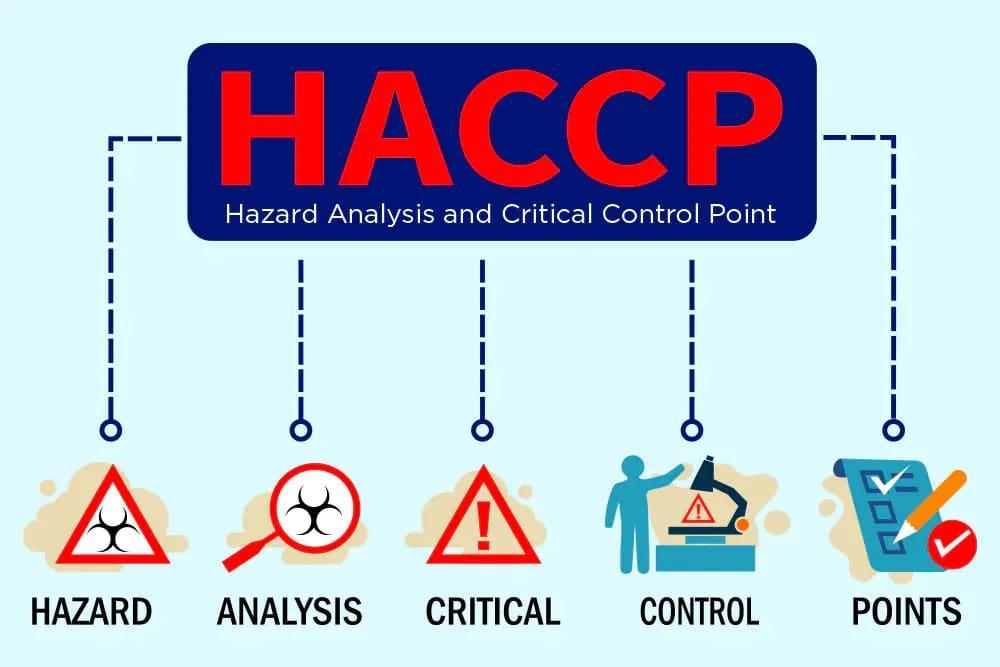
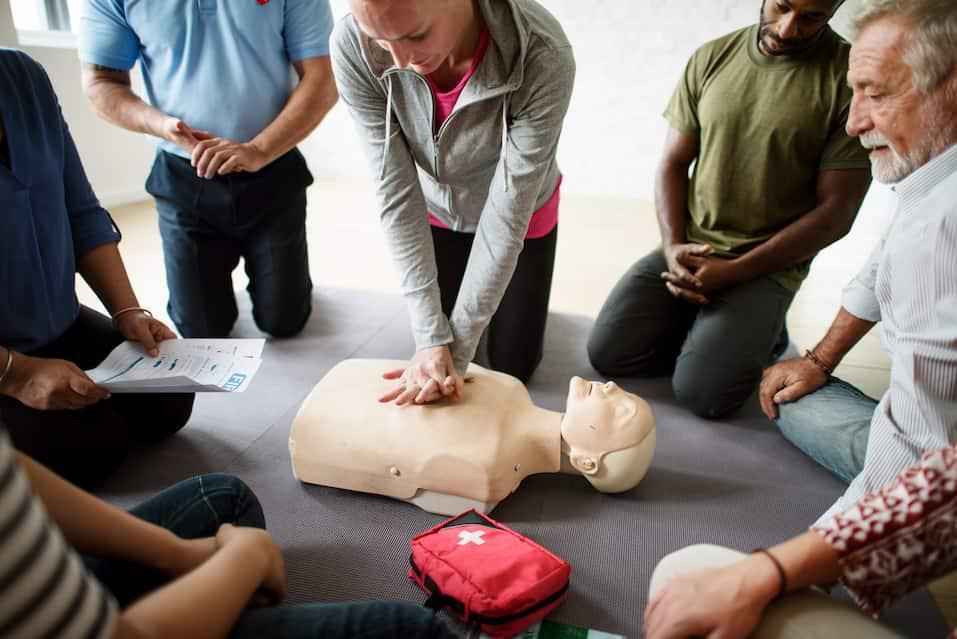
Basic First Aid
About the Workshop
Basic first aid is an essential skill that enables individuals to respond quickly and appropriately to accidents, injuries, and sudden illnesses before professional medical assistance arrives. Knowing how to provide immediate care can help preserve life, prevent a condition from worsening, and support recovery.
This workshop introduces participants to the fundamental principles of first aid, basic emergency response procedures, and practical techniques for managing common workplace and everyday emergencies. It emphasizes personal safety, assessing the situation, and providing appropriate assistance within the limits of one’s training.
Learning Objectives
By the end of this workshop, participants will be able to:
• Understand the basic principles and importance of first aid.
• Assess an emergency situation and identify potential hazards.
• Recognize common injuries and medical emergencies.
• Provide basic first aid for common injuries and sudden illnesses.
• Understand the basic steps for responding to an unconscious person and recognizing when CPR or an automated external defibrillator (AED) may be required.
• Respond appropriately to emergencies while ensuring personal and bystander safety.
• Understand when and how to seek professional medical assistance.
Topics Covered
1. Introduction to First Aid
a. Definition and importance of first aid
b. The role and responsibilities of a first aider
c. Basic principles of first aid
d. Ensuring scene safety and assessing risks
e. Emergency communication and contacting emergency services
2. Initial Assessment and Emergency Response
a. Assessing the scene and identifying hazards
b. Checking responsiveness and normal breathing
c. Recognizing life-threatening conditions
d. Obtaining assistance and providing clear information to emergency responders
e. Monitoring the casualty until help arrives
3. Managing Common Injuries
a. Cuts, wounds, and bleeding
b. Burns and scalds
c. Sprains, strains, and suspected fractures
d. Bruises and minor injuries
e. Nosebleeds
f. Basic management of suspected head, neck, and spinal injuries
4. Responding to Common Medical Emergencies
a. Fainting and loss of consciousness
b. Choking
c. Seizures
d. Recognizing the signs of a heart attack and stroke
e. Allergic reactions
f. Heat exhaustion and heatstroke
g. Recognizing low blood sugar and other sudden illnesses
5. Basic Life Support Awareness
a. Recognizing cardiac arrest
b. Introduction to cardiopulmonary resuscitation (CPR)
c. Understanding the use of an automated external defibrillator (AED)
d. Responding to an unconscious person who is breathing normally
e. Understanding the importance of early emergency assistance
6. First Aid Kit and Emergency Preparedness
a. Essential contents of a first aid kit
b. Proper use of basic first aid supplies
c. Hygiene and infection prevention
d. Reporting and documenting incidents
e. Practical scenarios and first aid exercises
Methodology
• Learning Concepts/Presentations
• Group Activities and Discussions
• Tips, Tools and Techniques
• Individual and Team Exercises
• Role Plays/Case Studies
• Practical Demonstrations and Simulations
• Action Plan to Ensure Application of the Learning
Duration: 6 Hours

Professional Business Writing
About the Workshop
Business Writing Communication workshop focuses on building effective business communication skills, through training in the use of the most successful and effective strategies to reach the stage of mastering writing communication skills. This program is important for anyone who wants to develop effective writing communication skills, especially in the business environment, in order to maximize the benefit of the communication.
The program also aims to provide trainees with the best practices and professional skills necessary to rise to the highest international standards of quality in the writing skills.
Learning Objectives
This program provides the trainees with the most important tips and principles that help to achieve a successful and effective communication in writing, and refines their skills by introducing them to the latest methodologies that allow them to reach the most of their capabilities.
At the end of this program, the trainee will be able to:
• Define what is meant by Business Writing communication.
• Conclude the foundations of professional written communication.
• Infer the basic requirements for effective written communication.
• Describe the basic elements of writing official letters at work.
• Explain the importance of target audience analysis in achieving effective written communication.
• Identify key elements of message structure in a typical manner.
• Evaluate the role of written communication.
• Conclude the advantages of effective written communication.
• Formulate creative persuasive writing.
Target Audience
This workshop is recommended for business leaders, senior executives, managers, supervisors, front-liners and anyone who wishes to specialize in the business writing communication - Business segment.
Topics Covered
1. Structuring Business Communication
a. Communication Basics
b. Defining your Message
c. Analyse your Audience
d. Structuring your Message
2. Developing a Business Writing Style
a. Roles of Written Communication
b. Good Written Communication
c. Communication Checklist
d. Develop an Effective Writing Style
3. Types of Business Writing
a. Letter and Memo Formats
b. Business Letters
c. Letter Format Styles
d. Business Memos
e. Good News and Persuasive Correspondence
f. Positive Messages
g. Persuasive Messages
h. Managing Report Writing
i. Parts of Report
j. E-Mail Communication
k. Sending an E-Mail
l. E-Mail Basics
m. Use Sensory Language
n. Confidentiality and Copyright Clause
o. Netiquette
p. Online Communication
4. Writing for Special Circumstances
a. What is Tactful Writing?
b. Rules to Tactful Writing
c. Writing a Bad News Letter
d. Why the Need for Persuasive Writing?
e. Strategies for Persuasive Writing
f. Writing a Persuasive Letter
Duration: 12 hours

The Language Of The Body
About the Workshop
“The body never lies.”
Martha Graham
This course continues on the same format as Body Language Part 1.
It covers more advanced collection of gestures and signals used in personal or professional life while interacting with others.
Who should attend?
Delegates who have completed body language
Covered Topics
1. Power, politics, domination and show of status
2. Dealing with difficult people
3. Meeting people in groups or in meeting rooms
4. Presentations and public speaking
Approach
• Visual/Audio techniques
• Story telling
• Case studies
• Practice
Duration: 6 hours


Negotiation Skills
About the Workshop
Successful negotiation is not about defeating the other side, but collaboratively finding the best
possible outcome. This workshop is specifically tailored for Byblos bank's sales, corporate, SME
lending, and customer service teams. The curriculum is curated to strengthen participants' skills
through dynamic methodologies including case studies, group activities, and role plays.
Learning Objectives
Upon completion of workshop participants will be able to:
1. Recognize diverse negotiation opportunities in banking.
2. Master the strategic steps in effective negotiation.
3. Apply practical negotiation strategies for optimal results.
4. Reflect on real-life bank-related case studies to understand negotiation nuances.
5. Enhance personal negotiation skills through assessment and feedback.
Target Audience
This workshop will appeal to Byblos Bank Sales & Corporate Team, SME Lending Team, and Customer Service Team.
Topics Covered
1. The Art of Negotiation in Banking
a. The psychology behind negotiation.
b. How negotiation differs in a banking context.
c. Deciding when to negotiate.
d. Case Study: Reflecting on a past bank negotiation.
e. Common pitfalls and best practices.
2. Styles of Negotiation: From Clients to Corporate Deals
a. Tactical vs. Strategic Negotiation.
b. The nuances of Distributive and Integrative Negotiation.
c. Case Study & Role Play: The Blue Banana Loan Agreement.
d. Deciphering one's negotiation style: An interactive assessment.
e. Exploring the spectrum: From competitive to collaborative negotiation.
3. Crafting the Win-Win in Banking Negotiations
a. Understanding stakeholders.
b. Balancing client interests with bank policies.
c. Generating creative solutions.
d. Setting transparent criteria for negotiation.
e. Case Study: Overcoming distrust with a longstanding client.
4. Process of Negotiation in the Banking Sector
a. Pre-Negotiation
i. Goal-setting: Financial, organizational, and client relationship objectives.
ii. Determining negotiation levers.
iii. Understanding the opposing party: Researching client history and needs.
b. During Negotiation
i. Building rapport in a banking context.
ii. Effective questioning to uncover hidden interests.
iii. Crafting and responding to proposals.
iv. Case Study & Activity: Navigating a complex loan negotiation.
c. Post-Negotiation
i. Ensuring clarity in agreements.
ii. Setting the tone for future negotiations.
5. Tactics and Strategies Tailored for Banking
a. Using authority in bank negotiations.
b. Timing and pacing.
c. Manoeuvring the balance of power.
d. Exploring advanced tactics: From salami to escalation.
e. Tips for staying ahead in bank negotiations.
6. Honing Your Banking Negotiation Skills
a. Case Study: Merging two departmental projects.
b. Reflecting and implementing feedback.
c. Mapping your journey: Personal development plan.
Methodology
• Learning Concepts/Presentations
• Group Activities and Discussions
• Tips and Tools
• Individual and Team Exercises
• Role Plays/Case Studies
• Action Plan to ensure Application of the Learning
Duration: 12 hours

Intelligent Communication
About the Workshop
Understanding how individuals react to different situations can help you communicate more effectively with them.
If you try to communicate based on their comprehension and perception, the chances of your message being heard and understood are greatly increased.
This content-rich workshop introduces one of the tools related to the psychology of communication and understanding yourself and others and both in different contexts.
Target Audience
• Managers
• Supervisors
• Team Leaders
• Front Liners
• Sales People
Learning Objectives
By the end of this workshop, participants will be able to:
• Gain insight in to people’s personality and behavior
• Understand behavioral styles and preferences related
• Unify their language in clusters based on the recipient
• Understand the reasons behind undesired actions and reactions
• Enhance their knowledge to utilize it in their communication
• Become great communicators
• More easily solve problems and make decisions
Topics Covered
1. The Communication Map
a. The Source
b. Encoding the message
c. Channels of Communication
d. The Receiver
2. We are Different
a. Our different styles
b. Psychological differences affecting communication
c. Behavioral differences
d. Breaking the barriers of communication
e. Using the Communication Map in Different Contexts
3. Modifying Communication to Achieve the Best Results
a. Communicating with others the “right way”
b. Maximizing Productivity through Communication
Duration: 4 Hours

Influential Public Speaking
About the Workshop
Publicly Speaking can be a nightmare for some and others are found to be over confident which is as damaging.
This content-rich workshop was designed to tackle the foundation and upwards of publicly speaking, working on individuals as individuals and then in context, for you to speak and super influence your audience.
Learning Objectives
By the end of this workshop, participants will be able to:
• Speak publicly in an influential, head turning manner
• Understand how to grasp an audience
• Gain self confidence
• Know what to work on
• Practice
Covered Topics
1. Types of Public Speaking
2. Putting Value on your Speech
3. Grab your Audience
4. Sectioned Material
5. Practice Makes Perfect
6. Let’s Play Pretend
7. Studying the Grounds
8. Relaxing Techniques
9. Manifesting your Thoughts
10. Pauses
11. Sorry, not really
12. Say cheese!
13. Get the Experience
14. Finish Line
Duration: 4 Hours

Conventional Business English
About the Workshop
Communication has always been the base of all success and all failure as well.
This rich workshop tackles conversation in a business context in English; participants will be guided through an imaginary scenario that requires all business conversation, enabling them to reach full knowledge, ability and understanding of the required skill.
Learning objectives
By the end of this workshop, participants will be able to:
• Gain Self Awareness of their skills in speech
• Use effective business English within context
• Understand the context of their communication
• Enrich their vocabulary
• Structure their speech professionally
• Engage in business conversations
Topics Covered
1. Vocabulary Flood
2. Initiating conversation upon meeting
3. Getting down to business
4. Getting involved in meetings
5. Managing a meeting
6. Building relationships
7. Questioning and clarifying
8. Keeping conversations going
Methodology
• Coaching
• Role plays
• Activities
Duration: 9 Hours

Conflict Resolution
About the Workshop
In a successful negotiation everyone wins. The objective should be agreement, not victory.
Every desire and need that needs to be met or satisfied is at least potentially an occasion for negotiation; whenever people exchange ideas with the intention of changing relationships, whenever they confer for agreement, they are negotiating.
Learning Objectives
By the end of this workshop, participants will be able to:
- Use their skills to successfully negotiate
- Catch disagreement before it escalates into dysfunctional conflict
- Replace habitual styles of handling differences with a strategic approach
- Honor the legitimate interests of other
- Creatively integrate diverse views so they are responsive to mutual concerns
- Utilize disagreements as opportunities for learning
- Specialized Negotiation with Customers
Topics Covered:
1. Introduction
2. Major causes of conflict
3. The Models of conflict resolution
4. The rational vs. the emotional aspects of negotiation
5. Distributive (win-lose) or Integrative (win-win) bargaining
6. Basic principles of integrative or win-win bargaining
7. Planning for negotiation
8. Paying attention to the flow of negotiation
9. Negotiation as a sequence of events not an incident
10. The intangibles of negotiation
11. Some tricks skilled negotiators use
12. Changing a win-lose to a win-win situation
13. Wanting to win and not caring about others’ interests
14. Lying and bluffing – are they ethical?
15. Summary and quiz
Duration: 9 Hours

Body Language
About the Workshop
“The face is the mirror of the mind, and eyes without speaking confess the secrets of the heart.”
St. Jerome quotes
Many studies show that we communicate mainly through body language, especially when we are in an emotional state. Since many of our achievements in life depend on how well we interact with others, it is quite critical to know how to communicate beyond words.
Imagine how much you can gain by reading people by looking at their legs, arms, head, gesture, posture, eyes, mouth and hands, all before they say a single word. You can read their feelings before they tell you about them. There is a huge power in that which allows you to improve your relationships with people, whether at work or in personal life.
Who should attend?
• Anyone
Covered Topics
1. What is body language all about?
2. What are universal non-verbal gestures?
3. How to read body language
4. How to interpret a person's signals on initial contact
5. How to read a person's eyes
6. How to avoid misinterpretation and deliberate faking
7. How to interpret feelings
8. What is the difference between positive and negative body language and how does it affect communication?
9. How to read a person's confidence and frustration
10. How to interpret the eyes and read eye cues
11. How to spot lies, dishonesty, doubts and thinking
Approach
• Visual/Audio techniques
• Story telling
• Case studies
• Practice
Duration: 6 hours

Black Belt In Face-To-Face Communication
Subjects
- Communication
- Interpersonal Issues
- Face to face communication
- Verbal communication
- Non-verbal communication
About the Workshop
Every situation of our lives involves some form of communication; we spend a lot of time and effort in communication with others.
Mastering the skill of communication increases our chances of success in both professional and personal lives.
Any performance improvement in this aspect will directly lead to benefits for your team, your job and your personal life.
Communication skills can be learned and mastered through persistent practice.
Learning Objectives
By the end of this workshop, participants will be able to:
• Understand their communication style
• Understand others’ communication style
• Communicate with awareness of obstacles and barriers to understanding
• Self-perceive and in turn be aware of personal weaknesses and damaging communication
• Adopt best practices in communication and self-develop accordingly
• Enhance their intrapersonal and interpersonal skills with both internal and external customers
Who should attend?
• Anyone with an identified communication related issue
• Front liners whose jobs rely on communication
• Supervisors who want to better their communication within their organization, on all levels
Covered Topics
1. Communications Styles
a. What is an ideal communication?
b. What are different styles of communication?
c. What are the 4 orientations in effective communication and how does each person’s style impact their communication with you?
2. Interacting with People
a. What does it mean to be assertive and how can you achieve it?
b. How to provide feedback to others so they take your word seriously?
c. How can you avoid appearing aggressive?
d. How to use systematic methods to evaluate what you know about yourself and what you know about others?
e. How to learn which areas you need to work on to improve yourself based on other people’s impression of you?
3. Questioning Techniques
a. How to ask the right questions at the right time?
b. How to get what you want and stay friends?
c. How to address uncomfortable issues and prepare others to open up to you?
d. What are the differences between open and closed questions and how can you take advantage of each?
e. How to seamlessly guide a conversation towards the direction of your choice?
4. Misunderstanding
a. What causes misunderstanding?
b. How can you minimise misunderstanding?
c. How can stereotyping affect your communication?
d. How to use active listening to gain rapport and commitment?
e. When should you use first person sentences when communicating with others and when should you use second person?
5. Empathy & Emotional Intelligence
a. What is the effect of empathy on communication?
b. How to use a simple empathic technique to construct sentences based on what you hear from others and make an empathic communication?
6. Telephone Skills
a. How to handle phone conversations?
b. How to put people on hold?
c. How to transfer a phone call to someone else?
d. How to end a phone call?
7. Body Language
a. How can you read people through their body language and understand their motives better?
b. What gestures should you be aware of?
c. What are the differences between open and closed body gestures and how do they impact your communication with others?
d. How to spot lies?
e. How to control your voice to get maximum effect?
Duration: 6 hours

Managerial Excellence Program
About the Workshop
In order to reduce attrition and to increase retention, this highly interactive workshop will introduce participants to management best practices.
Participants will go through the recruitment process while learning practical tools that will help them find the best fit depending on the desired competencies.
Participants will also be exposed to the best practices in terms of supervisory essentials; including communication skills, coaching & giving feedback, delegation skills, and employee motivation.
The workshop will also allow participants to learn the importance of an efficient performance management system and the essential tools to enhance their time management skills.
Learning Objectives
Upon completion of workshop participants will be able to:
- Understand the importance of Behavioural Interviews to hire the “best fit”
- Understand the importance of interpersonal communication skills to becoming a leader
- Convey believability by ensuring the verbal, vocal, and visual elements of their communications deliver a consistent message
- Learn how to give Constructive Feedback
- Identify the differences between coaching and mentoring
- Use a basic coaching model
- Understand the delegation process
- Carry Out the Delegation
- Learn the key success for an effective appraisal
- Learn how to Conduct and follow up on the Appraisal
- Recognize the link between time management and productivity
Target Audience
This workshop will appeal to a wide range of audiences and is intended for Business professionals who are either at the managerial level or are interested in becoming Managers/team leaders.
Topics Covered
- Competency Based Recruitment & Interviewing
- The Cost of Hiring
- Elements to consider during the Interview: the What and How competencies
- The Behavioural Interview
- Performance Appraisal
- Managers’ Involvement
- The Performance Appraisal Cycle
- What the Performance Appraisal is not about
- Employees’ and Organization’s Benefits
- Employees’ Motivation
- Satisfaction Results
- Some Motivation Theories
- Communication Skills
- Cues to Believability
- Perception
- Listening and Questioning Skills
- Giving Feedback
- Effects of Feedback
- Focusing on Constructive Feedback
- Natural Response to Feedback
- Johari Window Model
- Coaching Skills
- Fundamentals of Coaching
- The GROW Model
- Delegation Skills
- Why should we Delegate?
- When to Delegate?
- How to Delegate?
- What to Delegate?
- Time Management Essentials
- The Time Matrix
- Do the Big Rocks first
- The 4 Ds concept
Methodology
- Learning Concepts/Presentations
- Group Activities and Discussions
- Tips and Tools
- Individual and Team Exercises
- Role Plays/Case Studies
- Educational Videos
- Action Plan to ensure Application of the Learning
Duration: 12 hours

Straight Line Selling System
About the Workshop
This workshop is based on the concept developed by Jordan Belfort. It has been proven to be the most effective sales system in the market and is guaranteed to increase your sales results if applied properly. Participants will learn the fundamentals of Influence and Persuasion, how to master the art of prospecting, to use tonality to build rapport, to turn qualifying into an art with the proper use of questioning, and how to close with authority.
Participants will also learn to become visionaries and persons of Influence.
Upon completion of the workshop, each participant will complete an action plan to ensure application of the learning.
Learning Objectives
Upon completion of workshop participants will be able to:
• Understand what it takes to master the art of Prospecting
• Capture people’s attention in 4 seconds which is especially important for Medical Sales Reps
• Understand the forces that create lasting results
• Control the sales by using the straight-line approach
• Qualify clients smoothly
• Deliver efficient “presentations”
• Use Language to cut through the Closing
Topics Covered
1. Introduction to Straight Line Selling
a. Two Types of People
b. 3 Attributes to Success
c. The 3 tenets of Straight-line Persuasion
d. Old Sales model vs. New Sales Model vs. Straight Line System
e. Ethical Guidelines
f. 4 Stages of Learning
2. Art of Prospecting – 5 Keys to Mastery
a. 4 Types of Buyers
b. Key 1: Sifting
c. Key 2: The Action Threshold
d. Key 3: Tipping the Scale
e. Key 4: The Sales Funnel
f. Key 5: 3 Things in 4 Seconds
3. The importance of Tonality and Capturing Attention
a. What your tonality needs to prove
b. Average vs. Extraordinary
c. Up-tones
d. Micro-agreement tone
e. Mystery tone
f. Power of the pause
g. Grouping tone
h. Hypnotic Patterns
i. Bottled enthusiasm
j. The Whisper
k. The Reasonable Guy Tone
4. The Secret to Success – Vision and setting goals
a. The Power of Vision
b. Vision vs. Goals
c. Incorporating the “3 musts” of the closing process to your vision
d. Dressing for success
e. Body Language
f. Handshakes
g. Matching and Mirroring
h. Goal Oriented Selling
5. How to create lasting results
a. 5 ways to overcome obstacles
b. Identifying old patterns and behaviors
c. Breaking old patterns
d. Mastering your emotional states
e. How the brain works
f. 3 ways to managing fear
g. Goals: the milestones to achieving lasting results
h. 5 keys for setting effective goals
6. Controlling the Sale using the Straight-Line System
a. The basis of the straight-line system
b. Gathering intelligence
c. Building rapport
d. Questions & Tonality
e. Earning “TENS” from the client
f. Staying on Track
g. Managing your emotional and physical state
h. Making your presentation
i. Asking for the sale
j. 3 ways to overcome buying wounds
k. 2 of the most common objections
l. Changing the way you close the sale
7. Art of Qualifying – Asking the right Questions
a. The right questions The right way
b. Identifying the clients “Why”
c. Memorize Questions in order
d. Asking Permission to ask questions
e. Big picture Questions
f. Specific Questions
g. Ways to keep your Powder Dry
h. The Power of Invasive Questions
i. The Transition
j. Your First “NO”
k. Language Patterns
l. Looping back to the Line
m. Common Mistakes
n. Different Responses to any question
8. Presenting with Authority
a. Getting the client to “10” you on you
b. Getting the client to “10” you on your product
c. Getting the client to “10” you on your company
d. Using Anchors
e. Perfecting your Sales Pitch
f. The soft close
g. The art of Boxing someone in
h. The art of looping
i. Bringing out the big guns
9. The Power of Language
a. Power words
b. Offsetting language patterns
c. Language patterns for looping
d. Closing tonal patterns
e. Trigger words
10. Closing the Sale using the Straight line
a. The Language of Closing
b. Understanding that you have been closing since the moment you dialled the number for the first-time
11. Become a Person of Influence
a. Tonal Attitude towards stalls
b. Handling Objections
c. 5 ways to turn clients into customers for life
d. Motivation
e. Final Tips and Strategies Review
Duration: 18 hours

Social Media Marketing
About the Workshop
This course equips you with critical content creation and management skills. How to create effective social media posts and how to create a strong brand to help you build a social media presence. This includes setting up a content calendar, managing and moderating your posts, analysing data for insights, iteration, and how to increase post effectiveness.
Learning Objectives
Upon completion of workshop participants will be able to:
• How to establish and manage a social media presence
• How to create a brand, tone, and voice for a social media presence
• How to manage a content calendar for a social media presence
• How to evaluate the performance of content on social media and how to iterate on that performance
Target Audience
Learners do not need marketing experience, but they have basic internet navigation skills and are eager to participate and connect in social media. Having a Facebook or Instagram account helps and ideally learners already completed course (Introduction to Social Media Marketing) in this program
Topics Covered
1. Establish your presence
a. Establishing a presence on Facebook
b. Establishing a presence on Instagram
c. What is a brand, and why you need one?
d. The EPIC Brand Framework
2. Social Media Content
a. The role of Content in social media
b. Anatomy of a social media post
c. Anatomy of Facebook post
d. Anatomy of an Instagram post
e. The role of Text in posts
f. The role of Images in posts
3. Social Media Content Management
a. Identify what to post
b. Topics to post about
c. Using Storyboards to plan your content
d. Creating Storyboard
e. What makes your content Viral?
f. Using a content calendar
g. Creating a content calendar
h. Repurposing Content
i. Auditing Content
j. Building a Following on Social Media
k. Interacting and Moderating on Social Media
l. Managing Your Social Media Presence
4. Evaluation and Measuring
a. Measure What Matters
b. Facebook Page Insights
c. Instagram Insights
d. Iterating on Your Content Calendar
e. Evaluate Your Efforts
Methodology
• Learning Concepts/Presentations
• Group Activities and Discussions
• Tips and Tools
• Individual and Team Exercises
• Role Plays/Case Studies
• Educational Videos
• Action Plan to ensure Application of the Learning
• Practice Quiz after each topic
Duration: 12 hours

Sales Program A-Z
About the Workshop
This workshop is intended to develop the skills for those who work in sales or wish to establish a career in one.
It provides the most important principles and concepts, in addition to the latest strategies and effective methodologies, all to sharpen skills while enabling participants to make the most out of them.
Learning Objectives
At the end of this program, the trainee will be able to:
• Learn about successful sales strategies
• Clarify the behaviour of successful sales people
• Develop successful strategies for identifying potential clients
• Apply presentation, communication and persuasion skills in an easy manner
• Develop mechanisms to deal with objections and problems effectively and efficiently
• Develop effective innovative strategies to evaluate client requirements
• Self-evaluation in the presentation and delivery skills
• Devise practical mechanism to follow up with customers after-sales service
Target Audience
This workshop is recommended for people looking to specialize in sales, deal with clients and meet their needs, managers, supervisors, sales and marketing specialists, executives in sales.
Topics Covered
1. Introduction to Selling
a. Defining Selling
b. The Definition of a Seller
c. The Definition of a Buyer
d. Selling
e. Sales Requirements
f. Sales Strategies and Tactics
g. Attitude
h. Ways we sell
i. Person-to-Person
j. Telemarketing
k. Direct Mail
l. Email
m. Internet
n. Seminars & Conferences
o. The Selling Process – Strategies & Tactics
p. The Selling Process
q. Sales Stages
r. Product Knowledge
s. Develop a Positive Sales Attitude
t. Be Excited
2. Prospecting Success Strategies
a. Prospecting
b. What is prospecting?
c. What is a prospect?
d. A Customer Profile
e. Building your Customer Profile
f. Channel Ratings
g. Lead Channels
h. Decision Making Authority
i. The Decision Maker
j. The Decision Influencer
k. Political Influence
l. Financial Influence
m. Technical Influence
n. End-User
3. First Contact Success Strategies
a. First Contact
b. Establishing Buyer Trust
c. Building Rapport
d. Smile
e. Handshake
f. Let’s have some fun
g. Use Names
h. Let the Fun Continue
i. Be Sincere and Friendly
j. Using a Trust Substitute
k. Common Ground
l. Compliment and Affirm
m. Professional Greeting
n. Professional Image
o. Be on Time
p. Body Language and Eye Contact
q. Step 1 – Greeting
r. Step 2 – Introduction & Rapport
s. Attention Grabbers
4. Qualification Success Strategies
a. Qualification
b. The Qualification
c. Buying Criteria
d. Buying Motive
e. Qualification Steps
f. Discovery Questions
g. Discovery Questioning Styles
h. Close-Ended Questions
i. Open-Ended Questions
j. Alternative Questions
k. Assessment Questions
l. Reward Questions
m. Effective Listening
5. Presentation Success Strategies
a. The Presentation Stage
b. Delivering a Prospect-specific Presentation
c. Prospect-specific information
d. Buyer Motives
e. Personal Attention
f. Safety
g. Financial
h. Product Demonstration
i. Success Stories
j. Customer Testimonials
k. Keys to a Powerful Presentation
l. Energy & Passion
m. Be Positive
n. Assume the Sale
o. Summarize
6. Successful Objection Resolution
a. Strategies
b. Resolving Objections
c. Create Objection Responses that reduce Conflict
d. Acknowledge
e. Identify with
f. Resolve
g. Uncovering Hidden Objections
h. Hidden Objection
i. Ready to close
7. Successful Closing Strategies
a. Closing Stage
b. The Fear Barrier
c. Seller’s Fear
d. Buyer’s Fear
e. Buying Signals
f. Verbal Buying Signals
g. Non-Verbal Buying Signals
h. Strategies for closing the sale
i. Direct Close
j. Alternative/Multiple Choice Close
k. Action Close
l. Benefits Close
m. Trial Product Close
n. Objection Close
o. What do you do if your prospect says no
p. What do you do when a sale is lost?
8. Wrap-up & Follow-up Strategies
a. Wrap up & Follow up
b. Referrals
c. Follow up & Repeat Sales
d. Strategies that create repeat sales
Duration: 12 hours

Proposal Writing
About the workshop
This workshop will teach you the most efficient process to plan and organize a business proposal. It also explains how to hone language and tone to make your service, product, or solution more compelling to the client.
This is a practical workshop where you will plan and write an actual work proposal with instructor review and guidance.
Learning Objectives
Upon completion of workshop participants will be able to:
• Employ an efficient process for planning and organizing information and ideas
• Persuasively document the competence, skill, and solutions the company offers
• Format and organize proposals logically
• Express clear deliverables and present fees favorably
• Write with engaging, succinct, and correct language
• Spend 25% less time on each proposal and ensure consistent quality
Target Audience
This workshop is a great fit for individuals or teams who:
• Write new business proposals or respond to RFPs
• Are responsible for sales or marketing
• Are new to writing proposals
• Want to elevate the skills of experienced proposal writers
• Need to save time and frustration when writing proposals
• Write proposals collaboratively and need to streamline that process
• Review proposals before submission
Topics Covered
1. Introduction to professional Writing
a. The Process of Writing
i. Plan
ii. Write
iii. Design
iv. Editing and Proofreading
2. The optimal proposal writing process
a. Writing efficiently
b. Meeting reader needs
c. Providing relevant and persuasive content
d. Eliciting a positive business response.
3. Language and style
How to write a proposal that is:
a. A pleasure to read
b. Formatted persuasively
c. Easy to understand.
4. Practical exercise.
Plan, write, and edit an actual work proposal, with instructor feedback.
Duration: 3 hours

Handling Complaints and Difficult Customers
About the Workshop:
At first glance, handling a difficult customer may seem like a thankless job.
Fortunately, you can develop skills to adapt to the challenges difficult customers pose and extend these skills to handling difficult people and situations throughout your daily life.
By improving the focus of your thoughts and feelings, how you manage stress, and how well you listen to and empathize with others, you will be better able to meet the challenges other people pose in both your professional and personal life.
Implementing the guidelines in this module is the first step in a process towards forever changing how you interact with others.
Learning Objectives:
By the end of this workshop, participants should be able to:
• Cultivate a positive attitude
• Manage internal and external stress
• Develop abilities to listen actively and empathize
• Build a rapport with customers in person and over the phone
• Understand the diverse challenges posed by customers
• Develop strategies to adapt to challenging circumstances
• Handle complaints effectively
• Handle difficult customers
Topics Covered:
1. The Right Attitude Starts with You
• Make Gratitude a Habit
• Keep Your Body Healthy
• Invoke Inner Peace
2. Stress Management (Internal Stressors)
• Irritability
• Unhappiness With Your Job
• Feeling Underappreciated
• Not Well Rested
• Stress Management (External Stressors)
• Manage Your Work Space
• Loud Work Environment
• Co-Worker Relations
• Demanding Supervisor
3. Transactional Analysis
• What is Transactional Analysis
• Parent
• Child
• Adult
• Why are Some Customers Difficult
• They Have Truly Had a Bad Experience and Want to Vent
• Want Someone to be Held Accountable
• They Have Truly Had a Bad Experience and Want Resolution
• They are Generally Unhappy
4. Dealing with the Customer Over the Phone
• Listen to the Customer’s Complaint
• Build Rapport
• Do Not Respond with Negative Words or Emotion
• Offer a Verbal Solution to Your Customer
5. Dealing with the Customer In Person
• Listen to the Customer’s Concerns
• Build Rapport
• Respond with Positive Words and Body Language
• Aside from Words
6. Sensitivity in Dealing with Customers
• Customers who are Angry
• Customers who are Rude
• Customers with Different Cultural Values
• Customers who Cannot be Satisfied
7. Scenarios of Dealing with a Difficult Customer
• Angry Customer
• Rude Customer
• A Customer from Another Culture
• An Impossible to Please Customer
8. Following up With a Customer Once You Have Addressed Their Issue
• Call the Customer
• Send the Customer an Email
• Mail the Customer a Small Token
• Snail-Mail a Handwritten or Typed Letter
9. Lessons Learned
• Post Assessment
• Action Plan
Duration: 9 Hours
Digital Marketing Advanced
About the Workshop
This digital marketing program is meant for professionals looking to pursue a Digital Marketing career, know the fundamentals, and gain hands-on experience, and experienced marketers keen on learning the latest Digital Marketing skills.
Social Media for Business
• The evolution of communication media
• What is social media and why companies should care
• How can social media benefit businesses?
• Developing your social media strategy/content
• Covers a detailed overview of all popular social media platforms
• 10 common mistakes businesses make during start ups
Covered Topics
1. Online Advertising
a. The use of online advertising
b. The elements behind successful online advertising
c. Defining main and target objectives for online advertising
d. Product segmentation in online advertising
e. Identifying target audience
f. Most common types of online advertising
g. Text advertising
h. Banner advertising
i. Sponsorship advertising
j. Text advertising
k. How it works
l. Benefits of text advertising
m. When to use text advertising
n. Elements to improve your ad performance
o. Elements to improve lead generation process
p. Tips for creating a successful text ad advertising
q. Writing a well-structured ad copy
r. Targeting the main three types of customers
s. Selecting proper keywords for text advertising
t. Common mistakes to avoid for keyword selection
u. Banner advertising
v. How it works
w. Benefits of banner ads
x. When to use banner ads
y. Elements that make an effective banner ad
z. Universal standards of banner ads
aa. Google ads fundamentals
bb. Introduction to AdWords
cc. Account management
dd. Campaign and group management
ee. Keyword targeting
ff. Language and location targeting
gg. Ad formats
hh. Budgeting and bidding
ii. Measurement and optimisation
jj. Performance, profitability and growth
kk. Managing multiple accounts
2. Search Engine Optimisation (SEO)
a. What is the process of search engine optimisation
b. Why is SEO important for business?
c. Search engine basics
d. What are crawlers
e. What is indexing
f. Search engine algorithm and index
g. What is meta-tags
h. Basic SEO checklist
i. SEO fundamentals
j. Getting keywords for SEO
k. Optimizing digital assets
l. Making search engine friendly
m. Most common mistakes of SEO
n. SEO migration plan
o. Link building for better SEO
p. Search analytics
q. Other common techniques of SEO
3. Email Marketing
a. What is email marketing
b. Why we still use email marketing
c. The basics of email marketing
d. Building connections for a better email marketing campaign
e. Where to build your connections’ list
f. How to build your connections’ list
g. Collecting information and permissions for organic email marketing campaigns
h. Creating valuable email marketing
i. Informative email characteristics
j. Promotional email characteristics
k. Common practices for a successful email marketing campaign
4. Web Marketing Analytics
a. Why do we need a web marketing analytics tool?
b. Most common tools for website measurement
c. How and when the collected data will help your marketing campaign
d. Defining the elements of web marketing tools
Duration: Introduction 18 hours, Advanced 6 hours for each Topic

Consultative Selling
About the workshop
This workshop has been created to help participants master sales from A to Z. Participants will be able to learn tools and techniques that will lead to better sales.
Upon completion of the workshop, participants will complete an action plan to ensure/monitor application of the learning.
Learning Objectives
By completing this workshop, you will be able to:
• Identify sales models
• Understand and apply the sales process
• Communicate successfully and use body language
• Understand and identify different behavioral styles
• Use the right questions the right way
• Handle objections and close deals
• Understand the basics of negotiation
Topics Covered
1. The Sales Process
a. Cold Calling
b. Meetings
c. Proposals
d. Negotiation
e. Closing
f. After Sales
2. Sales Funnel
a. Prospecting
b. Qualifying
c. Identifying needs
d. Presenting Solutions
e. Managing Objections
f. Closing the Sale
g. Follow-up and Referrals
3. Sales Communication
a. The First Impression
b. Believability
c. The Importance of Tonality and Capturing Attention
d. Building Rapport
e. Listening Skills
f. Understanding Perception
g. Improving Body Language
h. Reading Body Language
i. Dressing for Success
j. Understanding Behavioural Styles
k. Adapting to your Customer’s Style
4. Negotiation Basics
a. Understanding Negotiation Strategies
b. Planning for a Negotiation
c. Negotiation Tactics
d. Dos and Don’ts of Negotiation
Duration: 12 hours
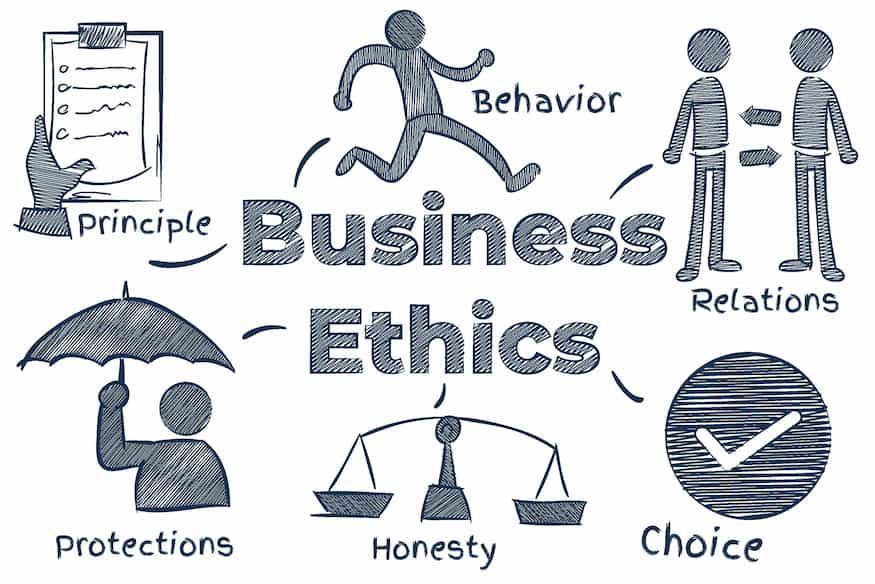


Time Management
About the Workshop
Peter Drucker stated: “The output limits on any process are set by the scarcest resource…time is the scarcest resource, and unless it can be managed, nothing else can be managed.”
Time is an extremely valuable resource that cannot be recycled. Many people claim that lack of time is a big problem. It is quite a shock for these people when they come to realize that it is not a problem, but that it is a symptom. It is a symptom of unclear objectives, of poor allocation of priorities, and poor planning.
Utilizing some basic time management principles can mean the difference between constantly managing crisis, and efficient work performance. Although mastering these principles do take time at the beginning, time a busy manger just doesn’t seem to have, within a very short time the benefits become apparent.
Effective management is learning how to put first things first. It is identifying your high leverage tasks that will allow you to achieve your goals and objectives.
Workshop Objectives
By the end of the workshop you will be able to:
• Assess your time management skills and identify areas for improvement
• Categorize tasks based on their importance and urgency
• Identify high-leverage tasks
• Recognize the different time wasters
• Set a strategy to deal with time wasters
• Use planning tools to help you schedule tasks and activities
• Articulate what can be delegated and what you must not delegate
• Delegate tasks more effectively
Covered Topics
1. Pareto’s Law
2. First Things First
3. Time Wasters
4. Dealing with Time Wasters
a. Procrastination
b. Meetings
c. Fatigue, Stress, and ill Health
5. Time Management Strategies
6. Daily Prioritizing
7. Scheduling
8. Planning Tools and Aids
a. Calendars
b. Activity Lists
c. Charts and Boards
d. Computers
e. Tickler Files
f. Daily Planning Calendar
9. Delegation
a. Benefits for the Manager
b. Benefits for the Employees
c. Benefits for the Organization
d. What Prevents Managers from Delegating
e. Pre-requisites of Effective Delegation
f. What to Delegate
g. What You Should Never Delegate
h. Components of Effective Delegation
i. Step-by-Step Delegation Process
10. Other Time Management Tips
Duration: 8 hours

The Perfect Organized Personal Assistant
About the Workshop
Personal assistants play a crucial role in their bosses’ lives, this workshop was designed to enhance their office management skills, effectively manage a schedule, organize meetings, take minutes, become organized, follow up, in addition to important skills that facilitate their jobs and in turn the jobs of whom they report to.
Who should attend?
• Personal assistants
• Secretaries
• Office managers
• Administrative managers
Covered Topics
1. Introduction
a. Information overload syndrome
b. Attributes of a well-managed “office” individual
2. Personally, assisting yourself
a. Development of skills
b. Interpersonal
c. Communication
d. IT
e. Internet
f. Office technology
g. Necessary skills
3. The use of a personal agenda
a. Filofax it
b. What goes in the personal organizer?
4. Organizing deadlines
a. The 5 tips
5. Time management essentials
a. Prioritizing your time
b. The urgent/important matrix
c. Planning wisely
d. Tackling procrastination
e. Organizing your workspace
6. Follow Up
a. Intro to mind mapping
b. Using your whole mind to remember
7. The etiquette of the telephone
a. The greeting
b. The reply
c. The content
d. The exclamation
e. Post holding
f. The closure
8. Business correspondence
a. When it is not an email
9. Email, internal memoranda, and dictation
a. The 18 main rules of email
b. Internal memos
c. Dictation
10. Meetings, its minutes, its distribution, and its follow up
a. Preplanning
b. Record taking – at the meeting
c. Minutes writing using a recorder
d. Distributing or sharing minutes of meeting
e. Filing or storage of minutes for future reference
11. Diary management
a. Colour coordinating
b. Thinking about either side of the meeting
c. Travelling time
d. To delete or not to delete
e. Blocking time out to work
12. Filing
a. Managing time
b. Effective file management
c. Prioritize your files for action
13. Travel, transportation, accommodation
a. Pre-trip discussion
b. Booking the flight
c. Arranging hotel and transportation
d. Revising details
14. How to use search engines
a. What you need to know
b. Searching the web
15. Stationery and office equipment purchase and par level
a. Understanding a par level
b. Fetching for prices
16. Power point presentations 101
a. Basic rules for presentation
b. Use restraint with fonts
c. Choose fonts wisely
d. Avoid text overload
e. Basic rules
f. Presentation mistakes
g. PPT guidelines
h. Choosing a colour scheme
i. Using contrasting colours
j. Clip art and graphics
17. Event planning
a. Fundamentals of event planning
18. Delegation principles
a. Advantages of delegation
b. 9 principles of delegation
c. Levels of delegation
Approach
• Visual/Audio techniques
• Story telling
• Case studies
• Practice
Duration: 12 hours

Ten Soft Skills
Subjects
- Leadership
- Managerial skills
- Human resource management
- Team building
- Team management
- Interpersonal skills
About the Workshop
By understanding how your mind functions and how to communicate with yourself is vital to your success in every aspect of your life on all levels; this is what this course revolves around.
Through neuro-linguistic programming you will be able to reach heights which may have been unimaginable to you.
Who should attend?
• Human resource managers
• Entrepreneurs
• Managers
• Supervisors
• Team leaders
Covered Topics
1. NLP and stress management
a. Mind
b. Body
2. NLP and time management
a. Emotions and priorities
b. This not that
c. Time code
d. Timeline
3. NLP and personal creativity
a. Hindrances
b. Problem-solving
c. Daydreaming
d. Naturalize
e. Re-flow
f. Supercharge
4. NLP and group creativity
a. What?
b. How?
c. Walt Disney
d. Einstein
5. NLP and procrastination
a. Value
b. Focus
c. Option
6. NLP and decision making
a. What strategy?
b. Positive outcome
7. NLP and presenting to groups
a. Self confidence
b. Handling questions
c. Body usage
8. NLP and motivation
a. Aspirations
b. Meta-programmes
c. Get fired up
9. NLP and meetings
a. Purpose?
b. Meta-models
10. NLP and building effective teams
a. Auditing teams
b. Impacting teams
c. Pass the culture
Approach
• Visual/Audio techniques
• Story telling
• Case studies
• Practice
Duration: 18 hours

Telephone Etiquette
About the Workshop
The meaning of Telephone Skills can sometimes be difficult to describe. It can be a unique attribute or characteristic that facilitates great communication, inside and outside the office. It can be the special way that you show confidence in any challenging situation. These and other events can become more easily managed with this great workshop.
With our Telephone Skills workshop, your participants will begin to see how important it is to develop better telephone communication skills. By improving how they communicate on the telephone and improve basic communication skills, your participants will improve on almost every aspect of their career.
Workshop Objectives
• Recognize the different aspects of telephone language
• Properly handle inbound/outbound calls
• Know how to handle angry or rude callers
• Learn to receive and send phone messages
Covered Topics
1. Aspects of Phone Skills
a. Phrasing
b. Tone of Voice
c. Speaking Clearly
d. Listen to the Caller
e. Case Study
f. Review Questions
2. Using Proper Phone Language
a. Please and Thank You
b. Do Not Use Slang
c. Avoid Using the Term “You”
d. Emphasize What You Can Do, Not What You Can’t
e. Case Study
f. Review Questions
3. Eliminate Phone Distractions
a. Avoid Eating or Drinking
b. Minimize Multi-Tasking
c. Remove Office Distractions
d. Do Not Let Others Interrupt You
e. Case Study
f. Review Questions
4. Inbound Calls
a. Avoid Long Greeting Messages
b. Introduce Yourself
c. Focus on Their Needs
d. Be Patient
e. Case Study
f. Review Questions
5. Outbound Calls
a. Be Prepared
b. Identify Yourself and Your Company
c. Give Them the Reason for the Call
d. Keep Caller Information Private
e. Case Study
f. Review Questions
6. Handling Rude or Angry Callers
a. Stay Calm
b. Listen to Their Needs
c. Never Interrupt
d. Identify What You Can Do for Them
e. Case Study
f. Review Questions
7. Handling Interoffice Calls
a. Transferring Calls
b. Placing Callers on Hold
c. Taking Messages
d. End the Conversation
e. Case Study
f. Review Questions
8. Handling Voicemail Messages
a. Ensure the Voicemail Has a Proper Greeting
b. Answer Important Messages Right Away
c. Ensure Messages are Delivered to the Right Person
d. When Leaving a Message for Others
e. Case Study
f. Review Questions
9. Methods of Training Employees
a. Group Training
b. One-on-One Training
c. Peer Training
d. Job Shadowing
e. Case Study
f. Review Questions
10. Correcting Poor Telephone Skills
a. Screening Calls
b. Employee Evaluations
c. Peer Monitoring
d. Customer Surveys
e. Case Study
f. Review Questions
11. Wrapping Up
a. Words from the Wise
b. Review of Parking Lot
Duration: 6 hours

Stress Management
About the Workshop
By defining stress and learning to understand its effects on emotional health and in turn examine strategies for coping with stress as well as employing meditation techniques, make personal contacts positive and meaningful and explore ways to attain and maintain emotional maturity, you will be able to acquaint others with stress management skills which will increase productivity, performance levels and better attitudes.
Who should attend?
• Anyone coping badly with stress
• Anyone who needs to manage stress effectively
• Anyone with a low tolerance level leading to stress
• Anyone looking to enhance their emotional health
Covered Topics
1. Understanding stress
a. Recognizing stress
b. Identifying behaviour patterns
c. The three stages of stress
d. Examining workplace stress
e. Stress in your workplace
f. Understanding burnout
g. Finding the right amount of stress
2. Taking responsibility for your own stress
a. Identifying stress in your life
b. Coping with stress
c. Stress release
d. Case study: Maria’s overwhelming stress
3. Reducing stress through biofeedback, mindfulness, and meditation
a. Understanding biofeedback and mindfulness
b. Meditation exercise
c. Seven attitudes that contribute to emotional health
4. Improving relationships with self and others
a. Accepting yourself as a unique individual
b. Realistic and unrealistic expectations
c. Assessing your strengths
d. Acknowledging universal human needs
e. Building better relationships
f. Recognizing negative relationship patterns
g. How well do you relate to others?
h. Case study: john relates to family and friends
5. Enhancing your emotional health
a. Understanding emotional maturity
b. Case study: roger deals with a common problem
c. Exploring your own emotional fitness
d. Building self-confidence
e. Solving problems openly
f. Ten tips for maintaining emotional fitness
g. Case study: carol looks ahead
h. Setting personal goals
Approach
• Visual/Audio techniques
• Story telling
• Case studies
• Practice
Duration: 12 hours

Self Leadership
About the Workshop
Self-leadership is not a destination, it’s a daily process.
Self-leadership does not come with a user manual and by the time we are done with all the trials and errors, we realize that some things cannot be mended, or that we are just lost somewhere.
This lectured course aims to inspire individuals to take daily action towards achieving results and owning their life properly.
Application of what will be introduced is key.
Learning Objectives
By the end of this course, participants will be able to:
• Understand what self-leadership is
• Commit to changing what no longer works
• Discipline themselves
• Correct repeated mistakes
• BE held accountable and responsible
• Create an action plan of good change
Topics Covered
1. Life as a Test
2. It’s YOUR Life
3. Starting a New Chapter
4. Some Motivation
5. Mindset #1: Owning It
6. Mindset #2: Choosing to Think and Feel Effectively
7. Mindset #3: Self-Awareness
8. Mindset #4: Self-Confidence
9. Mindset #5: Self-Efficacy
10. Mindset #6: Influence
11. Mindset #7: Impact
12. Self-Leadership Methods
Duration: 6 Hours