

Hospitality
Hospitality is making your guest feel at home, especially when you wish they were. Known to be one of the most challenging industries, where knowledge, skill, ability, desire and industry specific qualifications are a must.

Turning Complaints Into Business Opportunities
About the Workshop
Customers give their loyalty to those who listen to their complaints and react properly, not necessarily with solutions, but processes, systems and procedures, when communicated properly and applied are a company’s gold when it comes to turning complaints in to business opportunities.
Every complaint is an opportunity for you to see your company’s flaws through the customers’ eyes.
When customers complain, they want to make things right. They want to restore their faith in your company; but it takes more than correcting a problem to cure customer dissatisfaction, this workshop shows you how to do just that.
Learning Objectives
By the end of this workshop customers will be able to:
• Understand complaints’ nature
• Adopt a solution-oriented attitude
• Understand what a complaint really is
• Solve complaints that really have no solution
• Maintain customers’ satisfaction
Covered Topics
1. What is a complaint?
a. What is behind different complaints
b. Provision of all necessary information
2. Proactive Reactions
a. Your attitude changes the course
b. Understanding difficult people
c. Reacting to different kinds of difficult people
3. Encouraging complaints
a. Making your customers complain
b. The complaint process
c. The solution process
d. Taking the complaint forward
e. Feedback and how it works to your benefit
4. Walking a mile in their shoes
a. What do customers really want?
b. Adopting a customer care mindset
c. Learning from mistakes
Duration: 9 Hours

5 Star Guest Service Program
About the Workshop
Delivering five-star guest service requires more than meeting expectations; it involves creating memorable experiences that encourage guest satisfaction, loyalty, and positive recommendations. In the hospitality industry, every interaction contributes to the guest’s overall impression of the establishment, from the first welcome to the final farewell.
This workshop is designed to equip participants with the knowledge, skills, and attitudes needed to deliver exceptional guest experiences in line with five-star hospitality standards. It focuses on professional communication, anticipating guest needs, handling complaints effectively, maintaining professional conduct, and consistently exceeding guest expectations.
Learning Objectives
By the end of this workshop, participants will be able to:
• Understand the principles and standards of five-star guest service.
• Create positive and lasting first impressions.
• Communicate professionally and effectively with guests from diverse backgrounds.
• Identify guest needs and anticipate expectations.
• Demonstrate professional behavior, positive body language, and appropriate grooming.
• Handle guest complaints and challenging situations effectively.
• Personalize service and create memorable guest experiences.
• Contribute to guest satisfaction, loyalty, and service excellence.
Topics Covered
1. Understanding Five-Star Guest Service
a. The meaning and importance of five-star service
b. Guest expectations and hospitality standards
c. The guest journey and key service touchpoints
d. The role of each employee in the guest experience
e. Creating a culture of service excellence
2. Creating Outstanding First Impressions
a. Welcoming and greeting guests professionally
b. Professional appearance and personal grooming
c. Body language and facial expressions
d. Tone of voice and choice of words
e. Positive attitude and professional etiquette
3. Effective Communication with Guests
a. Verbal and non-verbal communication
b. Active listening and asking the right questions
c. Understanding different guest personalities and expectations
d. Communicating with guests from different cultures
e. Using positive language and showing empathy
f. Maintaining professionalism in challenging interactions
4. Understanding and Exceeding Guest Expectations
a. Identifying guest needs and preferences
b. Anticipating requests and providing proactive service
c. Personalizing the guest experience
d. Attention to detail and consistency in service delivery
e. Going the extra mile
f. Creating memorable moments for guests
5. Handling Complaints and Difficult Situations
a. Understanding the reasons behind guest complaints
b. Managing dissatisfied and difficult guests
c. Listening, empathizing, and acknowledging concerns
d. Offering appropriate solutions within the limits of authority
e. Following up to ensure guest satisfaction
f. Turning complaints into opportunities to improve service
6. Professional Conduct and Teamwork
a. Professional etiquette and workplace behavior
b. Teamwork and coordination between departments
c. Taking ownership and accountability
d. Managing pressure and maintaining service standards
e. Supporting colleagues to deliver a seamless guest experience
f. Protecting guest privacy and confidentiality
7. Service Excellence and Continuous Improvement
a. Measuring guest satisfaction
b. Understanding guest feedback and reviews
c. Recognizing common service gaps
d. Applying service recovery techniques
e. Building guest loyalty and encouraging positive recommendations
f. Developing an individual action plan for service improvement
Methodology
• Learning Concepts/Presentations
• Group Activities and Discussions
• Tips, Tools and Techniques
• Individual and Team Exercises
• Role Plays/Case Studies
• Practical Demonstrations and Service Simulations
• Action Plan to Ensure Application of the Learning
Duration: 12 Hours
Restaurant Management
Summery
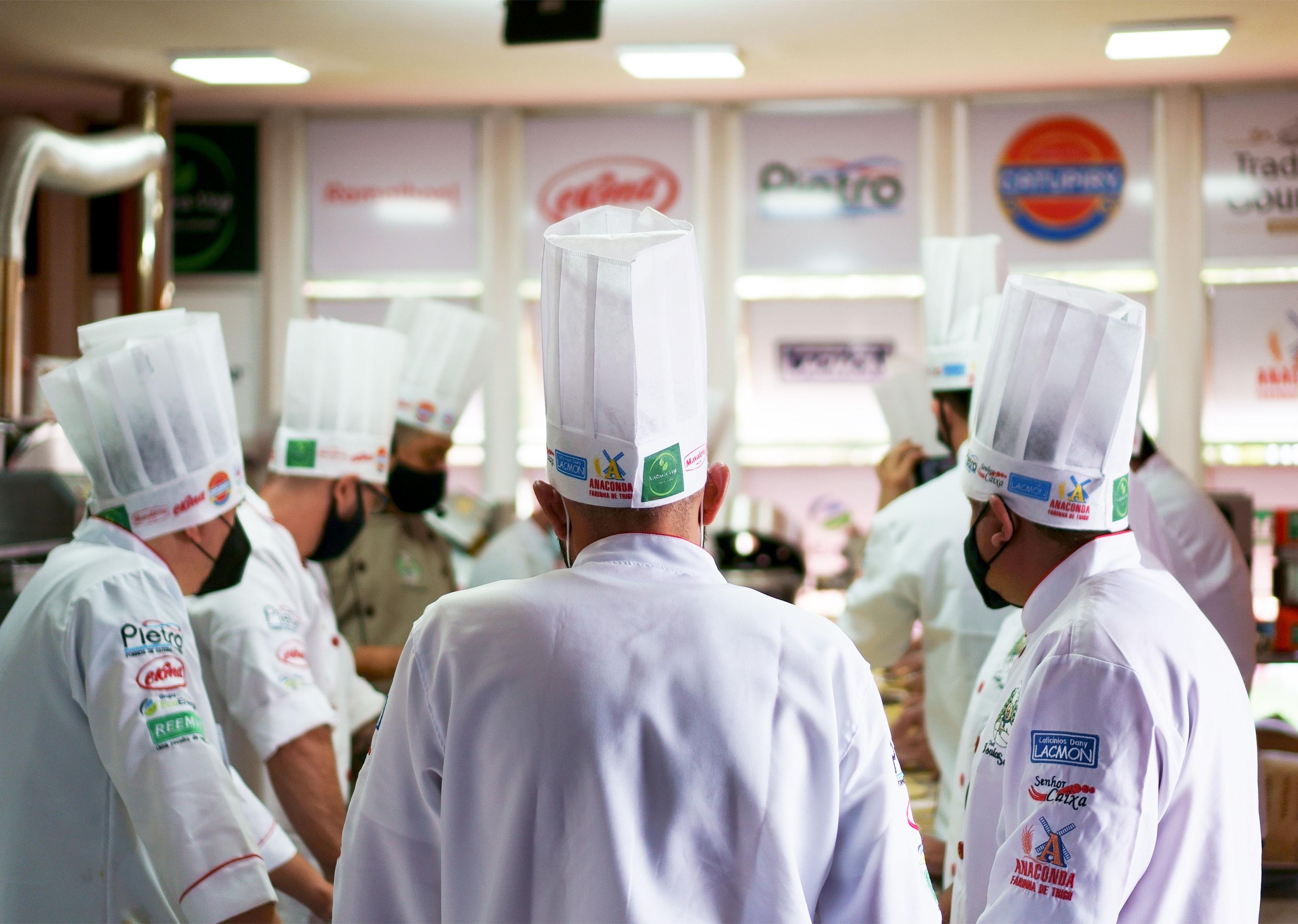
Restaurant Management requires a lot of skill, leadership, patience and knowledge; in this workshop we cover various aspects of restaurant management and more, in order to “manage” people as well as operations, ultimately to reflect the intended image as a professional, all while establishing, operating and maintaining consistently.
Who should attend?
- Restaurant managers
- Persons in charge
- Head waiters
Covered Topics
- The concept
- Understanding the identity based on the concept
- Skills required
- Team player
- Training and motivation
- Coping under pressure
- Innovation
- Selling
- Implementing work schedules
- Meeting deadlines
- Controlling the use of the P.O.S
- Time availability
- Communication
- Flexibility
- Interpersonal skills
- Customer service
- Management functions
- Planning
- Planting the vision
- Implementing the mission
- Choosing the “right people”
- Organizing
- Directing
- Standard operating procedures
- Designing, using and storing checklists
- Working by the book (policies and procedures)
- Collaboration and coordination
- Distributing the work flow
- Opening procedures
- Daily roasters
- Delegation
- Testing the menu
- Service functions
- Establishing the daily routine
- Basic of the basics
- Organizing your staff
- Studying the menu to formulate on the job trainings
- Monitoring
- Verifying
- Controlling
- Plan do Check
- Financial functions
- Reports
- Budgeting
- Analyzing
- Developing
- Managing
- Negotiation
- Marketing mindset
- Leadership
- Building and maintaining effective teams
- Dealing with difficult employees
- Giving valuable “useable” feedback
- Following up on staff’s areas in need of development
- Counselling
- What is standardization?
- Types of standards
- Internal standardization
- Records and documentation
- Kitchen 101
- Basic food safety
- Purchasing
- Controlling inventory
- Par levels
- Maintaining consistency
Approach
- Visual/Audio techniques
- Story telling
- Case studies
- Practice
Duration: 12 hours

Quality And Beyond
Subjects
Quality
Food safety management systems
Food safety
Workflows
Summary
This workshop was designed by merging two of the most important aspects in the food and beverage industry: quality and speed, specifically in the kitchen; with objectives and outcomes intended to match the title; integrating quality in to duties at hand, creating a systematic workflow that enhances service speed while maintaining hygiene, organizing work and storage spaces, reducing waste, all the while serving as a holistic approach to control and monitor operations more effectively, furthermore facilitating the overall application of quality assurance.
Who should attend?
• Kitchen staff
• Restaurant managers
• Restaurant owners
• Auditors
• Consultants
• Trainers
Covered Topics
1. Setting objectives
2. Kitchen design principles
3. Prerequisites
4. Menu-based raw ingredient placement within set-up
5. Integration of food safety
6. Storage principles
7. Manual control Vs. Electronic control of stock
8. Fiche techniques focal points
9. Cost control proficiency through practical waste management
10. Kitchen time management
11. Being regulated and regulating associates
12. Receiving different forms of feedback from non-management and acting accordingly
13. S.M.A.R.T. employment of the 6 levels of delegation
14. Ruinous effects of negative attitudes and/or resistance on productivity
15. (Individual work) Designing systematic workflows using premises at hand and gained knowledge
16. (Group work) Designing the frame work of the final workflow for submission and determining best practices within (this module is entirely tailor-made and exclusively delivered in private courses)
17. Reporting
Approach
• Visual/Audio techniques
• Story telling
• Case studies
• Practice
Duration: To be determined

Level 2 Award In Food Safety HACCP
About the Workshop
This accredited course’s aim is to provide an appreciation of the importance of food safety and the effects it has on consumers and food businesses, in addition to providing an understanding of the principles of food safety, and how to apply this knowledge to control hazards and prevent food poisoning.
Learning Outcomes
By the end of this course, participants will be able to:
• Improve their food safety knowledge
• Change their attitudes
• Get motivated to use this knowledge at their workplace
• Gain an understanding of the principles of food safety
• Apply their knowledge to control hazards
• Prevent food poisoning
Covered Topics
1. Introduction to food safety
2. Microbiological hazards
3. Food poisoning and its control
4. Contamination hazards and controls
5. HACCP from purchase to service
6. Personal Hygiene
7. Food premises and equipment
8. Food pests and control
9. Cleaning and disinfection
10. Food safety law and enforcement
11. Revision and examination technique
Duration: 6 Hours
Hospitality Project Management
About the Workshop
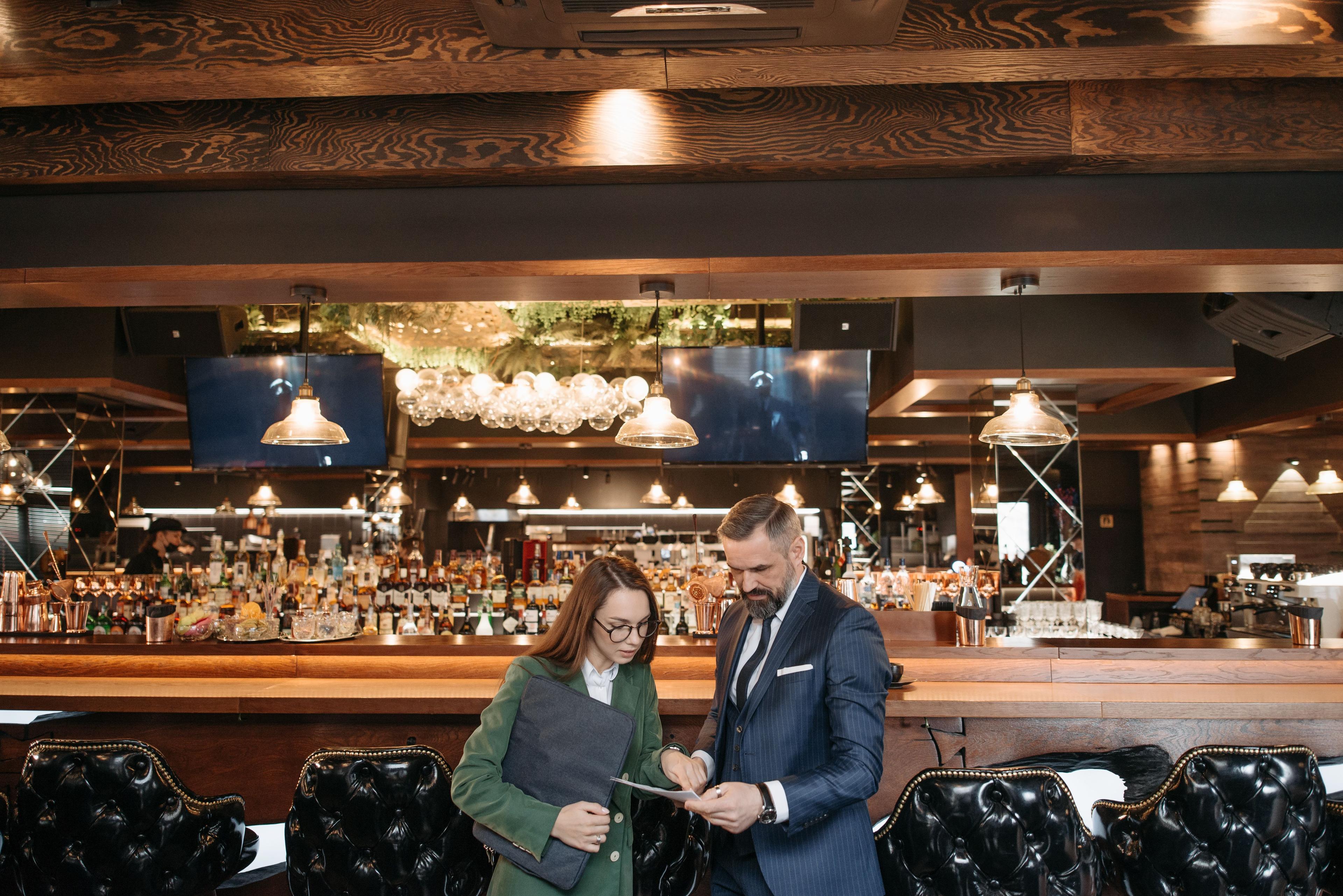
This course equips the business professionals and project managers with leading methodologies and practices in the project management field.
Project management is the success of many professionals in many fields, with many employers now identifying project management skills as vital for corporate success
By the end of this workshop, participants will be able to:
• Review different ways of selecting projects
• How to establish and plan the project
• Practice and ability to plan time and finance effectively
• Practical practice of project control and development
• The ability to understand the types of contracts and mechanisms of contracting and supervision and receipt
• Integrate information, analyze project plan and evaluate its success and implementation
• Identify tasks and work related to the project and build teams and motivate them
• Project launch and follow-up
Topics covered:
1. Introduction to Project Management
2. The Project Initiation Stage
3. The Project Planning Stage
4. Team Building for Project
5. Leaders
6. Motivation
7. Implementing the Project Plan
8. The Closing Stage
Duration: 16 hours

Hospitality Etiquette & Professionalism
About the Workshop
This workshop is hospitality industry specific; it is designed to develop the knowledge, skills and abilities crucial to demonstrate personal social skills and etiquette
Learning Objectives
By the end of this workshop, participants will be able to:
• Give a good long-lasting impression of them and their establishment
• Lead themselves with etiquette
• Act properly
Covered Topics
1. Social Skills and Etiquette Defined
2. Impressions and Perception
a. Positive first impressions
b. Positive experiences
c. Positive last impressions
d. How are you perceived?
3. Social Skills
e. Name usage
f. Handshakes
g. Self-conduct
h. Courtesies
i. International guests
4. Etiquette of the telephone
5. Grooming
Duration: 6 Hours
World Class Guest Service For Front Office Staff
About the Workshop
They are called guests and not customers in the Hotel industry.
Guests are to be treated slightly differently than customers, as the service within a hotel differs from department to department, making world class service position-specific.
Like any other industry, hotels have their dos and don’ts, and the right and wrong, making service delicate grounds when it comes to “guests’ satisfaction”
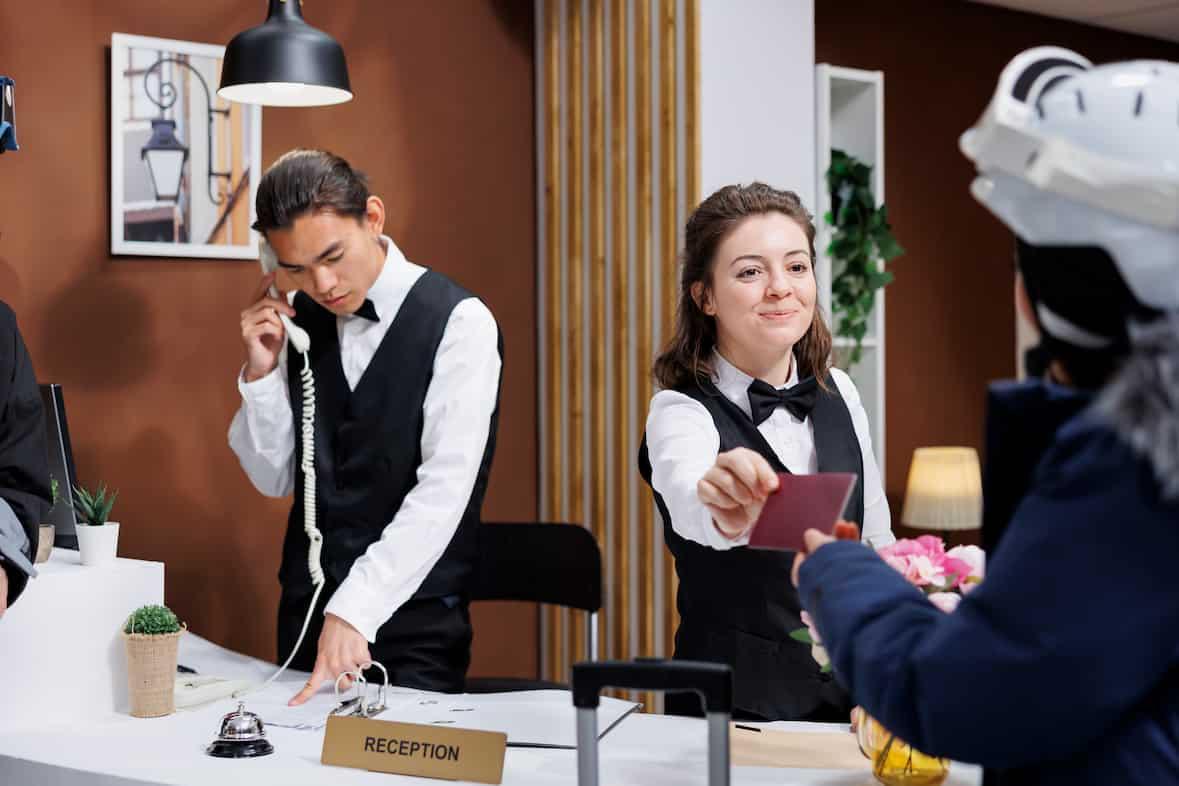
This workshop is designed to equip Front Office staff in the hotel industry with the needed knowledge, skills and ability to provide their guests with world class service.
Learning Objectives
By the end of this workshop, participants will be able to:
• Conduct themselves properly
• Understand their role as a Front Office agent, not just a hotel employee
• Provide excellent service
• Solve problems of other departments within limitations
• Be the hotel’s ambassador of excellent service
• Adopt the I CAN attitude
Covered Topics
1. Responsibilities to Guests
a. Manager on Duty
b. Responding to guest request
c. Preparing the daily setting of the F.O
2. Reception
a. Welcome
b. Position and posture
c. Self-conduct of a successful F.O agent
3. Reservations
a. General
b. Reservation procedures
c. Confirmations and cancellations
d. Dealing with dishonored reservations
e. No shows
4. Registration and Check-ins
a. The right process
b. Special needs guests
c. Inability to immediately accommodate
5. Checkout
a. Maintaining loyalty
b. Inviting feedback
c. Breakfast checkout
6. Services linked to Front Office
a. The calls you most probably will get
b. Room service
c. Housekeeping
d. Luggage Service
e. Transportation service
f. Laundry
g. Lost and found
h. Business Services
7. The Telephone
a. Etiquette
b. Wake up calls
c. Messaging
8. The “I CAN” attitude
Duration: 9 hours

Hotel Sales & Marketing
About the Workshop
The overall objective of this program is to:
• Learn about successful sales strategies.
• To clarify the behaviour of successful salesmen
• To develop successful strategies for identifying potential clients
• Apply presentation, communication and persuasion skills in an easy manner
• Develop mechanisms to deal with objections and problems effectively and efficiently
• Develop effective innovative strategies to evaluate client requirements
• Self-evaluation in the presentation and delivery skills
• To devise practical mechanisms to follow up with customers after-sales service
Learning Objectives
By the end of this workshop, delegates will be able to:
• Define Sales
• Infer some methods and skills to look for potential clients
• Explain how to build effective and successful communication from the first time
• Develops strategies and methods that support the success of the evaluation process
• Present a presentation with confidence for a service and/or product professionally
• Deal with all forms of objections and obstacles that may be encountered in the sale
• Close the transaction in a professional, gradual and compelling manner
• Explain examples of effective strategies for closing and following the deal
Covered Topics
1. Introduction to Selling
a. Defining Selling
b. The Definition of a Seller
c. The Definition of a Buyer
d. Selling
e. Sales Requirements
f. Sales Strategies and Tactics
g. Attitude
h. Ways we sell
i. Person-to-Person
j. Telemarketing
k. Direct Mail
l. Email
m. Internet
n. Seminars & Conferences
o. The Selling Process – Strategies & Tactics
p. The Selling Process
q. Sales Stages
r. Product Knowledge
s. Develop a Positive Sales Attitude
t. Enjoy Selling
u. Be Excited
2. Prospecting Success Strategies
a. Prospecting
b. What is prospecting?
c. What is a prospect?
d. A Customer Profile
e. Building your Customer Profile
f. Channel Ratings
g. Lead Channels
h. Decision Making Authority
i. The Decision Maker
j. The Decision Influencer
k. Political Influence
l. Financial Influence
m. Technical Influence
n. End-User
3. First Contact Success Strategies
a. First Contact
b. Establishing Buyer Trust
c. Building Rapport
d. Smile
e. Handshake
f. Let’s have some fun
g. Use Names
h. Let the Fun Continue
i. Be Sincere and Friendly
j. Using a Trust Substitute
k. Common Ground
l. Compliment and Affirm
m. Professional Greeting
n. Professional Image
o. Be on Time
p. Body Language and Eye Contact
q. Step 1 – Greeting
r. Step 2 – Introduction & Rapport
s. Attention Grabbers
4. Qualification Success Strategies
a. Qualification
b. The Qualification
c. Buying Criteria
d. Buying Motive
e. Qualification Steps
f. Discovery Questions
g. Discovery Questioning Styles
h. Close-Ended Questions
i. Open-Ended Questions
j. Alternative Questions
k. Assessment Questions
l. Reward Questions
m. Effective Listening
5. Presentation Success Strategies
a. The Presentation Stage
b. Delivering a Prospect-specific Presentation
c. Prospect-specific information
d. Buyer Motives
e. Personal Attention
f. Safety
g. Financial
h. To Own Things
i. Proof-of-Success
j. Product Demonstration
k. Success Stories
l. Customer Testimonials
m. Industry Reviews and Evaluation
n. Awards
o. Feedback
p. Keys to a Powerful Presentation
q. Energy & Passion
r. Be Positive
s. Assume the Sale
t. Summarize
6. Successful Objection Resolution
a. Strategies
b. Resolving Objections
c. Create Objection Responses that reduce Conflict
d. Acknowledge
e. Identify with
f. Resolve
g. Product/Service
h. Uncovering Hidden Objections
i. Hidden Objection
j. Ready to close
k. Ready to close but has a fear of buying
7. Successful Closing Strategies
a. Closing Stage
b. The Fear Barrier
c. Seller’s Fear
d. Buyer’s Fear
e. Buying Signals
f. Verbal Buying Signals
g. Non-Verbal Buying Signals
h. Strategies for closing the sale
i. Direct Close
j. Minor Point Close
k. Alternative/Multiple Choice Close
l. Action Close
m. Opportunity Windows Close
n. Benefits Close
o. Trial Product Close
p. Objection Close
q. What do you do if your prospect says NO?
r. What do you do when a sale is lost?
8. Wrap-up & Follow-up Strategies
a. Wrap up & Follow up
b. Referrals
c. Follow up & Repeat Sales
d. Strategies that create repeat sales
Duration: 12 Hours
Basic First Aid
About the Workshop
Basic first aid is an essential skill that enables individuals to respond quickly and appropriately to accidents, injuries, and sudden illnesses before professional medical assistance arrives. Knowing how to provide immediate care can help preserve life, prevent a condition from worsening, and support recovery.
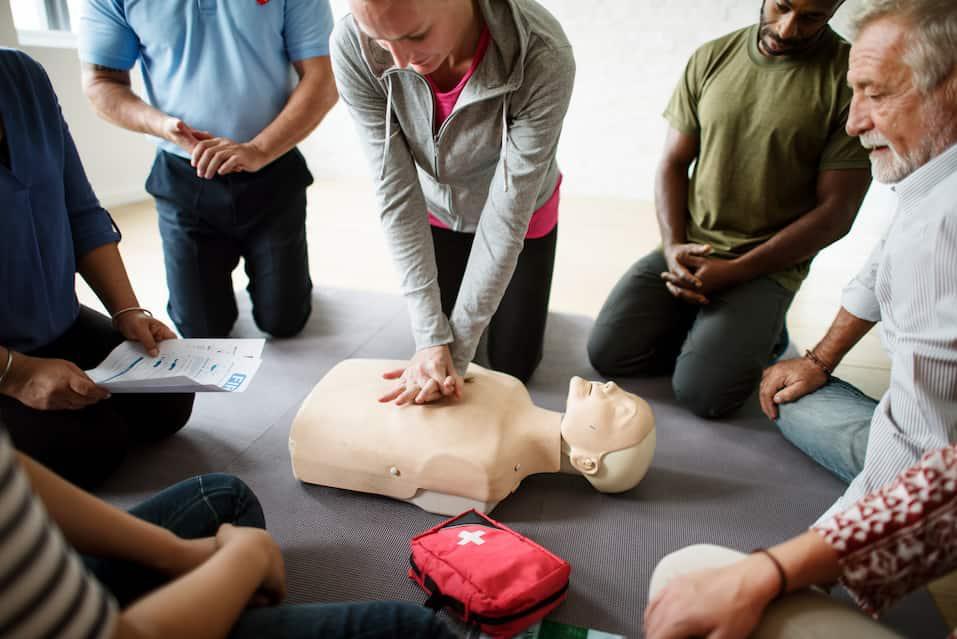
This workshop introduces participants to the fundamental principles of first aid, basic emergency response procedures, and practical techniques for managing common workplace and everyday emergencies. It emphasizes personal safety, assessing the situation, and providing appropriate assistance within the limits of one’s training.
Learning Objectives
By the end of this workshop, participants will be able to:
• Understand the basic principles and importance of first aid.
• Assess an emergency situation and identify potential hazards.
• Recognize common injuries and medical emergencies.
• Provide basic first aid for common injuries and sudden illnesses.
• Understand the basic steps for responding to an unconscious person and recognizing when CPR or an automated external defibrillator (AED) may be required.
• Respond appropriately to emergencies while ensuring personal and bystander safety.
• Understand when and how to seek professional medical assistance.
Topics Covered
1. Introduction to First Aid
a. Definition and importance of first aid
b. The role and responsibilities of a first aider
c. Basic principles of first aid
d. Ensuring scene safety and assessing risks
e. Emergency communication and contacting emergency services
2. Initial Assessment and Emergency Response
a. Assessing the scene and identifying hazards
b. Checking responsiveness and normal breathing
c. Recognizing life-threatening conditions
d. Obtaining assistance and providing clear information to emergency responders
e. Monitoring the casualty until help arrives
3. Managing Common Injuries
a. Cuts, wounds, and bleeding
b. Burns and scalds
c. Sprains, strains, and suspected fractures
d. Bruises and minor injuries
e. Nosebleeds
f. Basic management of suspected head, neck, and spinal injuries
4. Responding to Common Medical Emergencies
a. Fainting and loss of consciousness
b. Choking
c. Seizures
d. Recognizing the signs of a heart attack and stroke
e. Allergic reactions
f. Heat exhaustion and heatstroke
g. Recognizing low blood sugar and other sudden illnesses
5. Basic Life Support Awareness
a. Recognizing cardiac arrest
b. Introduction to cardiopulmonary resuscitation (CPR)
c. Understanding the use of an automated external defibrillator (AED)
d. Responding to an unconscious person who is breathing normally
e. Understanding the importance of early emergency assistance
6. First Aid Kit and Emergency Preparedness
a. Essential contents of a first aid kit
b. Proper use of basic first aid supplies
c. Hygiene and infection prevention
d. Reporting and documenting incidents
e. Practical scenarios and first aid exercises
Methodology
• Learning Concepts/Presentations
• Group Activities and Discussions
• Tips, Tools and Techniques
• Individual and Team Exercises
• Role Plays/Case Studies
• Practical Demonstrations and Simulations
• Action Plan to Ensure Application of the Learning
Duration: 6 Hours