

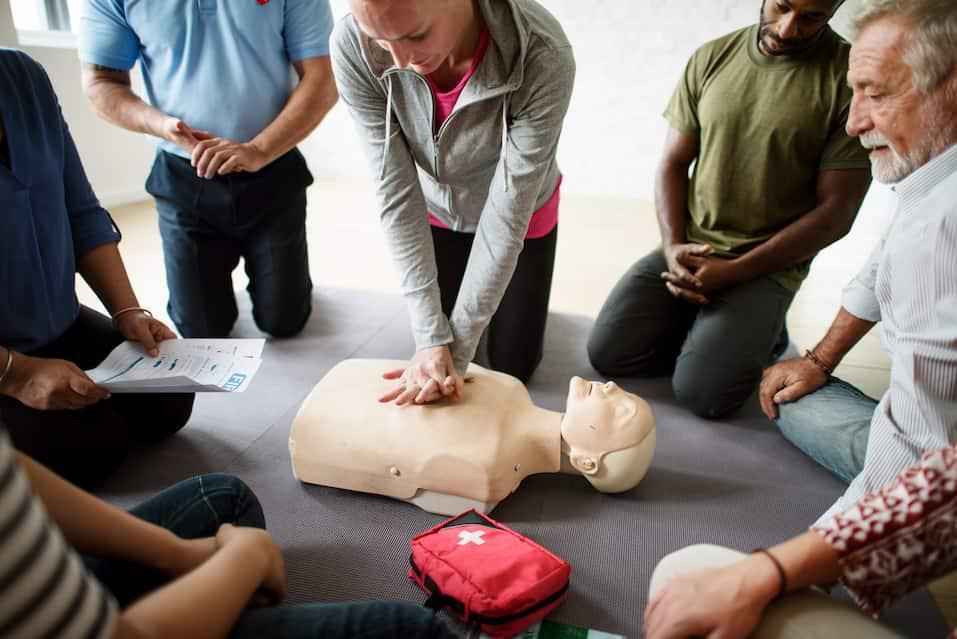
Basic First Aid
Basic First Aid
About the Workshop
Basic first aid is an essential skill that enables individuals to respond quickly and appropriately to accidents, injuries, and sudden illnesses before professional medical assistance arrives. Knowing how to provide immediate care can help preserve life, prevent a condition from worsening, and support recovery.
This workshop introduces participants to the fundamental principles of first aid, basic emergency response procedures, and practical techniques for managing common workplace and everyday emergencies. It emphasizes personal safety, assessing the situation, and providing appropriate assistance within the limits of one’s training.
Learning Objectives
By the end of this workshop, participants will be able to:
• Understand the basic principles and importance of first aid.
• Assess an emergency situation and identify potential hazards.
• Recognize common injuries and medical emergencies.
• Provide basic first aid for common injuries and sudden illnesses.
• Understand the basic steps for responding to an unconscious person and recognizing when CPR or an automated external defibrillator (AED) may be required.
• Respond appropriately to emergencies while ensuring personal and bystander safety.
• Understand when and how to seek professional medical assistance.
Topics Covered
1. Introduction to First Aid
a. Definition and importance of first aid
b. The role and responsibilities of a first aider
c. Basic principles of first aid
d. Ensuring scene safety and assessing risks
e. Emergency communication and contacting emergency services
2. Initial Assessment and Emergency Response
a. Assessing the scene and identifying hazards
b. Checking responsiveness and normal breathing
c. Recognizing life-threatening conditions
d. Obtaining assistance and providing clear information to emergency responders
e. Monitoring the casualty until help arrives
3. Managing Common Injuries
a. Cuts, wounds, and bleeding
b. Burns and scalds
c. Sprains, strains, and suspected fractures
d. Bruises and minor injuries
e. Nosebleeds
f. Basic management of suspected head, neck, and spinal injuries
4. Responding to Common Medical Emergencies
a. Fainting and loss of consciousness
b. Choking
c. Seizures
d. Recognizing the signs of a heart attack and stroke
e. Allergic reactions
f. Heat exhaustion and heatstroke
g. Recognizing low blood sugar and other sudden illnesses
5. Basic Life Support Awareness
a. Recognizing cardiac arrest
b. Introduction to cardiopulmonary resuscitation (CPR)
c. Understanding the use of an automated external defibrillator (AED)
d. Responding to an unconscious person who is breathing normally
e. Understanding the importance of early emergency assistance
6. First Aid Kit and Emergency Preparedness
a. Essential contents of a first aid kit
b. Proper use of basic first aid supplies
c. Hygiene and infection prevention
d. Reporting and documenting incidents
e. Practical scenarios and first aid exercises
Methodology
• Learning Concepts/Presentations
• Group Activities and Discussions
• Tips, Tools and Techniques
• Individual and Team Exercises
• Role Plays/Case Studies
• Practical Demonstrations and Simulations
• Action Plan to Ensure Application of the Learning
Duration: 6 Hours
Workshop Courses

Introduction to Leadership
Learn the fundamentals of effective leadership and management techniques.

Communication Skills
Master the art of communication in professional environments.

Project Management
Develop skills to efficiently plan, execute and complete projects on time.

Strategic Thinking
Learn to think strategically and make better business decisions.