
Non-Governmental Organizations
The Organizations that put their lives on the line to better the lives of others, face many challenges and issues, whereby they have skills to enhance and sharpen.

Vehicle At Workplaces For NGOs
About the Workshop
Vehicles at work continue to be a major cause of fatal and major injuries. Every year there are a huge number of incidents involving transport in the workplace.
Many of these result in people being killed.
Estimates suggest that up to one-third of all road traffic accidents involve someone who is at work at the time.
This workshop is based on Health Safety and Environment Standards and are required to be trained and applied by law in countries around the world.
Learning Objectives
• By the end of this workshop, participants will be able to:
• Help prevent accidents
• Assess and manage vehicle and driver safety
Topics covered
1. Vehicle Safety
a. Safe Vehicles
b. Safe Manoeuvring
c. Inspection, maintenance and repair
d. Right vehicle for the job
2. People’s Safety
a. Initial Training
b. Maintaining standard
c. Defensive Driving
d. What makes a safe driver?
e. How does a safe driver behave?
f. What does a safe driver do?
g. Emergencies
3. Site Safety
a. Traffic Routes
b. Driving surfaces
c. Speed
d. Traffic Management
Duration: 3 Hours

Results Based Management Training For NGOs
About the Workshop
This workshop/training allows participants to successfully identify and develop their Organization’s Results Based Management techniques by enabling them to set up their theory of change, frameworks, Strategy, indicators and M&E plan. In addition, the workshop will help develop their impact measurement and analysis skills. The participants will be trained on these most important aspects of Results Based Management to help them create the impact needed by their respective CSO/NGO.
Learning Objectives
By the end of this training/workshop the participants will be able to:
• Map out their Objectives
• Set up Results Based Management techniques
• Understand how to identify and elaborate their Strategies
• Understand how to spot challenges and identify solutions
• Learn how develop effective problem analysis
• Set priorities
• Measure Results and utilize their reporting skills
Topics Covered
1. Identifying and Knowing your Objectives:
a. What are our workshop objectives?
b. What is your Organization’s goal?
c. How to build your strategy and frameworks based on your objectives?
2. Why is your strategy important?
a. Strategy defines and protects your objectives, mission and vision.
3. Leverage the Organizational and Personal capacities of the team
a. How staff are the key to achieve results-based management
b. What will you need to teach your staff?
4. Identify your Theory of change and Develop a Strategy
5. Understanding your programming context
6. Analysing existing and previous data, inputs and results.
7. Start drafting your strategy:
a. Learn how to draft an effective Framework and strategy based on the above (points 4, 5
and 6)
b. Learn how to commit to the suitable Strategy
c. Learn how implement your Strategy
d. Using lessons learned and Altering as you go techniques.
8. What is data analysis? Why is important?
9. Develop your Monitoring and Evaluation plan
a. Learn how to identify indicators
b. Learn how to commit to plan
c. Build the M&E strategy
10. Build your log frames
11. Reporting. Why is it important for you and for donors?
12. How to measure your results?
13. How to measure frameworks?
14. Build a strong analysis technique
15. Numerical and results analysis
a. Analyse your results and M&E indicators
b. Write advanced reports
c. Put words into action
Methodology
• Learning Concepts/Presentations
• Role Plays
• Group Activities and Discussions
• Tips, Tools and Techniques
• Individual and Team Exercises
Duration: 10 hours

Report Writing For NGOs
About the Workshop
Reports can help develop common purposes and aims, spread successful innovations, build on successes and avoid mistakes from lessons learned.
The purpose of a report is to give an account of something, to offer a solution to a problem, or to answer a question.
A good reporting process is a cyclical one that ensures that feedback and decision making can occur between organizations and contractors/funders.
Reporting principles (transparency and inclusiveness) should be applied to any report preparation to ensure that both the writer and report user share a common understanding of the underpinnings of the report.
Learning Objectives
By the end of this workshop, participants will be able to:
• Understand the different types of reports
• Learn the relevant structure of reports
• Learn how to write a good report
• Learn the processes, principles and styles of good report writing
Topics Covered
1. Introduction
2. Effective Reporting – Processes and Principles
3. Logical Model
4. Types of Reporting
5. Reporting Styles
6. Presentation Tips
Duration: 5 hours

Proposal Writing 2
About the Workshop
A proposal is an essential document that helps cultivate an initial professional relationship.
Proposals should outline the plan of implementation; giving extensive information about intentions for implementation, ways to manage it deliverables.
If proposals are not written correctly, they could cost you the project.
This content-rich workshop teaches the best practices to writing proposals.
Learning Objectives
By the end of this workshop, participants will be able to:
• Understand the different structures of proposal writing
• Understand how to write to relevant audiences
• Choose a writing style
• Format properly
Topics Covered
1. Basic Sections of a Proposal
2. Preparing to Write
3. Organizing your ideas
4. Writing styles
5. Background
6. Procedures
7. Title Page
8. Executive Summaries
9. Abstract
10. Table of Contents
11. Describing projects to “people”
12. References
13. Appendices
14. Other Parts
Duration: 5 hours

Project Cycle Management
About the Workshop
Project cycle management is a creative process involving the needs of the targeted beneficiaries and negotiation of decisions acceptable to key stakeholder groups. This workshop is developed to allow the workers in the humanitarian field to successfully develop and implement a project that suits the needs of the targeted community and can meet with the vision of both the donor and the organization itself.
Learning Objectives
Upon completion of workshop participants will be able to:
• Assess stakeholders, situational, problem, objective and project
• Plan for the project
• Implement the project
• Monitor and report the project
• Evaluate the project
Target Audience
This workshop is targeted at project and program managers in both non-governmental and governmental organizations working on the humanitarian field in its different topics who wish to learn to design, plan and implement projects. This workshop is also ideal for social workers and monitoring and evaluation officers and field coordinator who would like to strengthen, develop and enhance their skills and their capacities in the implementation of their projects.
Covered Topics
1. Assessment
a. Stakeholder Analysis
b. Situational Analysis
c. Problem Analysis
d. Objective Analysis
e. Project impact
2. Planning
a. Logical Framework Matrix
b. Work plans and timeline
c. Cost scheduling and budgeting
3. Implementation
a. Implementation
b. Leading and managing
c. Organizing Work
d. Team building and managing
4. Monitoring and reporting
a. Introduction to monitoring
b. Monitoring tools
c. Cost control and budget follow up
d. Report writing
5. Evaluation
a. Introduction to Evaluation
b. Methods of evaluation
c. Issues of evaluation
Methodology
• Learning Concepts/Presentations
• Group Activities and Discussions
• Tips and Tools
• Individual and Team Exercises
• Role Plays/Case Studies
• Educational Videos
• Action Plan to ensure Application of the Learning
Duration: 10 hours

Planning, Monitoring, Evaluating And Reporting For NGOs
About the Workshop
The aim of this workshop is to develop your skills in the field of program/project monitoring and evaluation. The workshop will cover roles, responsibilities and activities of the monitoring and evaluation team(s) within the seven areas of the program/project cycle approach.
Learning Objectives
Upon completion of workshop participants will be able to:
• Describe and understand the stages of project cycle approach
• Use situation analysis tools effectively
• Develop a framework that links project activities to outcomes and impacts (goals)
• Design SMARTER indicators that effectively identify progress toward project outcomes
• Prepare a M&E plan
• Create a system to collect and compile data
• Differentiate and apply quantitative and qualitative methods
• Demonstrate the ability to use evaluation methods to identify problems and implement changes
Target Audience
This workshop is designed for staff members who are involved in monitoring projects, collecting data, analysing data and evaluating projects (e.g., supervisors, program staff, community workers and management).
Topics Covered
1. Introduction to Project Cycle Approach
a. Stages of Project Cycle Approach
b. What is Project Cycle Approach?
c. The Importance of Project Cycle Approach
2. Introduction to M&E Concepts and Notion
a. What is Monitoring and Evaluation System?
b. The Importance of Monitoring and Evaluation
3. Monitoring and Evaluation Terminology
a. Situational Analysis
i. What is Situation Analysis?
ii. The Importance of Situation Analysis
b. Situational Analysis Tools
i. Needs Assessment
ii. Stakeholder Analysis
iii. SWOT Analysis
4. Project Design and Strategy Development
a. Program Framework and Objectives
b. Log Frames
c. SMART (ER) Indicators
5. Monitoring and Evaluation Plan Design
a. The Purpose of the Monitoring and Evaluation Plan
b. What is the Monitoring and Evaluation Plan?
6. The monitoring and evaluation plan content
a. Quantitative and Qualitative Methods
b. Differences Between Quantitative and Qualitative Methods
c. Quantitative Tools (Surveys)
d. Qualitative Tools (Focus Group Discussions, Key Informant Interviews)
7. Baseline, Implementation, and Monitoring
a. Methods to Set Project Baselines
b. Monitoring Implementation Plan
c. Day to Day Monitoring Activities
d. Monitoring Tracking System
8. Evaluation and Reporting
a. Types of Evaluation
b. Evaluating Projects
c. Capturing and Documenting Lessons Learned
d. Reporting
Methodology
• Learning Concepts/Presentations
• Group Activities and Discussions
• Tips and Tools
• Individual and Team Exercises
• Role Plays/Case Studies
• Educational Videos
• Action Plan to ensure Application of the Learning
Duration: 10 hours

Meal-Monitoring Evaluation, Accountability and Learning
Learning Objectives
• Describe and understand the stages of Monitoring, Evaluation, Accountability and Learning.
• Use situation analysis tools effectively
• Develop a framework that links project activities to outcomes and impacts (goals)
• Design SMARTER indicators that effectively identify progress toward project outcomes
• Prepare an M&E plan
• Create a system to collect, analyse and use data.
• Differentiate and apply quantitative and qualitative methods
• Demonstrate the ability to use evaluation methods to identify problems and implement changes
Target Audience
Managerial position with a minimum of 5 years of experience as Program Managers or minimum of 5 years of experience in the Program Unit in the NGO sector.
Topics Covered
1. Introduction to Project Cycle Approach
a. Stages of Project Cycle Approach
b. What is a Project Cycle Approach? It’s Importance?
2. Identifying and Knowing your Objectives:
a. What is Project or Organizational objectives?
b. How is MEAL related to your Objectives and Outcomes?
c. How to build a Result Based Strategy and frameworks based on your objectives?
3. Why is your strategy important?
a. Strategy defines and protects your objectives, mission and vision.
4. Introduction to M&E Concepts and Notion
a. What is Monitoring and Evaluation System?
b. The Importance of Monitoring and Evaluation.
c. What are Indicators? How to use them?
5. Monitoring and Evaluation Terminology
a. Situational Analysis
b. What is Situation Analysis?
c. The Importance of Situation Analysis
d. Situational Analysis Tools
e. Needs Assessment
f. Stakeholder Analysis
g. SWOT Analysis
6. Project Design and Strategy Development
a. Program Framework and Objectives
b. Log Frames
c. SMART (ER) Indicators
7. Monitoring and Evaluation Plan Design
a. The Purpose of the Monitoring and Evaluation Plan
b. What is the Monitoring and Evaluation Plan?
8. The monitoring and evaluation plan content
a. Quantitative and Qualitative Methods
b. Differences Between Quantitative and Qualitative Methods
c. Quantitative Tools (Surveys)
d. Qualitative Tools (Focus Group Discussions, Key Informant Interviews)
9. Baseline, Implementation, and Monitoring
a. Methods to Set Project Baselines
b. Monitoring Implementation Plan
c. Day to Day Monitoring Activities
d. Monitoring Tracking System
10. Evaluation and Accountability
a. Types of Evaluation Techniques
b. Evaluating Projects and Objectives
c. Accountability in HR management
d. Accountability in Asset and Financial management
e. Accountability in Program and Project management
f. Reporting
11. Learning and Applying
a. How to measure your results?
b. How to measure frameworks?
c. Build a strong analysis technique
d. Numerical and results analysis
e. Analyse your results and M&E indicators
f. Write advanced reports
g. Put words into action
h. Capturing and Documenting Lessons Learned
Methodology
• Learning Concepts/Presentations
• Group Activities and Discussions
• Tips and Tools
• Individual and Team Exercises
• Role Plays/Case Studies
• Educational Videos
• Action Plan to ensure Application of the Learning
Duration: 12 hours
Fundraising And Donor Relationships Training For NGOs
About the Workshop
Throughout this course, participants will be mentored and coached in order develop their knowledge in the non-governmental organization (NGOs) sector. The course will focus on building advanced expertise in Donor Identification and Relationships: identification, initiation and partnership. Participants will be trained on building and maintaining good Donor outsourcing strategies to help insure multiple funding opportunities. Further on, this course will develop the Proposal Writing and Management Skills of the participants to increase the chances of receiving better donor attention and funds. This course uses handouts, case studies, exercises, interactive methods and slides to help learners build and strengthen their understating of the topic.
Learning Objectives
By the end of this training/workshop the participants will be able to:
• Demonstrate the ability to identify, segment, track and approach donors
• Differentiate between the types of proposals
• Develop the proposal’s project idea and write the project proposal
• Recognize key steps in post-proposal submission
Topics Covered
1. Define and Categorize different types of donors for NGOs
2. Prioritize different types of donors to match your organization’s interest
3. Identify where and how to search for donors
4. Identify the key donors in the Syrian NGO context
5. Assess donors’ ability to give and affinity towards your organization
6. Evaluate the organization’s ability to access to donors
7. Define key elements of a donors’ pipeline
8. Manage your donors’ pipeline
9. Differentiate between the types of Proposals: Solicited and Unsolicited
10. Differentiate between the types of Targeted proposals: international donors, government agencies, foundations, and the private sector.
11. Conduct research for a proposal idea
12. Structure and execute Resource and Needs Assessments to support your concept note
13. Recognize the importance of involving different stakeholders in the proposal idea development
14. Explore the different sections of a full proposal, including the supporting document
15. Write, develop and prepare a full proposal
16. Follow-up on proposals – Tips and Advices
17. Learn how to negotiate proposals – Activity and Guidance
18. Restructure & rephrase proposal, submit to another donor
Methodology
• Learning Concepts/Presentations
• Role Plays
• Group Activities and Discussions
• Tips, Tools and Techniques
• Individual and Team Exercises
Duration: 10 hours
English For NGOs
About the Workshop
This workshop has been designed to help employees in NGOs who use English as a working language. It is intended to develop the skills needed to efficiently and effectively carry out their work.
To achieve this goal, the content includes some key rules for grammar, punctuation, and writing styles that will help the attendees become better writers. It also gives a wide variety of vocabulary needed in the field that would vastly improve their communication.
This workshop consists not only of coursework, but also a bank of exercises which guarantees that everyone attending will be able to put what they have learned into practice.
Learning Objectives
Upon completion of workshop participants will be able to:
• Write a concise report, letter, or proposal.
• Write better emails.
• Communicate effectively with other colleagues, officials, and the public.
• Increase their vocabulary and choose more appropriate and persuasive words.
Target Audience
This course is intended to NGOs’ employees who use English as a working language.
Participants are expected to have an intermediate level of the English Language.
Topics Covered
1. Introduction to professional Writing
a. The Process of Writing
i. Plan
ii. Write
iii. Design
iv. Editing and Proofreading
2. Business Letters and emails
3. Report Writing
4. Writing a Successful Project Proposal
5. Writing for Community Relations
6. Using Sentence Variety for more effective communication
7. Special vocabulary used in the field
Duration: 10 hours
Community Engagement For NGOs
About the Workshop
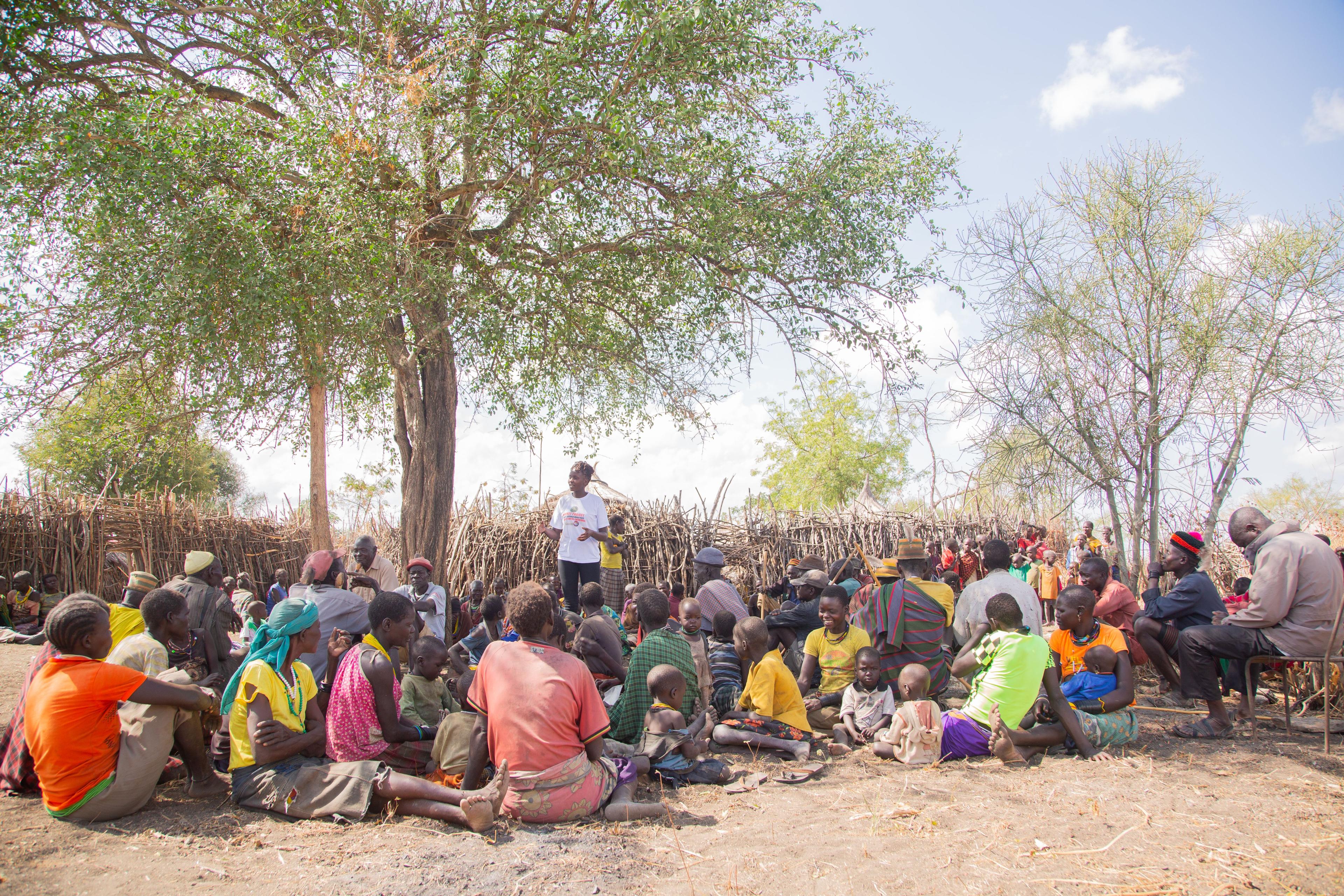
In the Community Engagement and Health Promotion Workshop, participants will be able to connect with the community and deliver their message with high impact.
In addition, this workshop will allow participants become better communicators to be able to introduce and present themselves in a better and more believable way.
Upon completion of the workshop, participants will complete an Action Plan to ensure application of the learning.
Learning Objectives
Upon completion of workshop participants will be able to:
• Create a good first impression
• Convey believability by ensuring the verbal, vocal, and visual elements are consistent
• Understand perception and its effect on communication
• Understand and deal with different personality types
• Develop their charisma
Topics Covered
1. The First Impression
a. First Impressions Count
b. Making a Great First Impression
c. Dress and appearance
d. Body Language
e. The Do’s and the Don’ts
2. Believability and Perception
a. Cues of Believability
b. Verbal, Vocal and Visual Cues
c. Perception
d. Active Listening
3. Understanding Different Personality Types
a. Understanding Your Behavioral Style
b. Identifying Others
c. Adapting to Each Style
4. Delivering Your Message with Charisma
a. Eye Communication
b. Gestures and Facial Expressions
c. Posture and Movement
d. Voice and Vocal Variety
e. Dress and Appearance
f. Language, words, pauses and non-words
g. Humor
h. Listener Involvement
i. The Natural Self
Duration: 12 Hours