

Occupational Safety and Health
“No Worker Has to Choose Between His Life and His Job” - OSHA ACT 1970

Working At Heights And Rescue Plans
About the Workshop
According to OSHA Construction Standards, 29CFR 1926.500 – 1926.503, Fall Protection, and the OSHA General Industry Standard, 29CFR 1910.23, guarding floor and wall openings and holes, given that employers must train employees who might be exposed to fall hazards, this workshop has been designed to educate workers on this topic.
Learning Objectives
By the end of this workshop, participants will be able to:
• Successfully work safely at heights in the workplace with minimal supervision
• Identify the requirements of the job
• Access and install the required equipment
• Use Access Equipment such as ladders, towers, scaffolds etc… properly
Topics Covered
1. Working at Heights
a. Employer responsibilities
b. Definitions
c. Personal fall arrest systems
d. Hazards associated with working at heights
e. Protecting yourself from fall hazards
f. Risk Assessment
g. Protection from falling objects
h. Guardrails
i. Belts lanyards and lifelines
j. Warning lines and controlled access zones
k. Safety monitoring system
l. Floor cover
m. Uncovered floors holes
n. Select, inspect and work within the limitations of platforms
o. Fire Prevention
p. Access Equipment
q. Fall Protection vs. Fall Prevention
r. Rescue Plan
2. Rescue from Heights Procedure
a. Emergency response plan
b. Rescue Procedures
i. Elevating work platform rescue
ii. Ladder rescue
iii. Basket rescue
iv. Post rescue procedure
Duration: 8 hours in-class & 4 hours on-site

Risk Assessment
About the Workshop
This workshop introduces participants to the principles and practical steps of identifying workplace hazards, assessing associated risks, and implementing appropriate control measures. It aims to help participants understand how to prevent accidents, reduce workplace risks, and create a safer working environment.
Learning Objectives
By the end of this workshop, participants will be able to:
• Identify potential hazards in the workplace.
• Assess the likelihood and severity of workplace risks.
• Determine appropriate risk control measures.
• Apply the risk assessment process in daily work activities.
• Monitor and review risks to ensure workplace safety.
Topics Covered
1. Introduction to Risk Assessment.
2. Understanding Hazards and Risks.
3. Types of Workplace Hazards.
4. Steps of the Risk Assessment Process.
5. Identifying and Evaluating Risks.
6. Risk Matrix: Likelihood and Severity.
7. Hierarchy of Risk Control Measures.
8. Developing and Implementing Control Measures.
9. Risk Assessment Documentation.
10. Monitoring, Reviewing, and Updating Risk Assessments.
11. Practical Exercises and Case Studies.
Methodology
• Interactive presentations and discussions.
• Practical exercises.
• Workplace scenarios and case studies.
Duration: 6 hours

Personal Protective Equipment (PPE) Program
About the Workshop
It's tough for any company to develop a safe and healthful workplace without an effective Personal Protective Equipment (PPE) program. This course provides information on using personal protective equipment to effectively protect workers from being exposed to workplace hazards. Because hazards exist in every workplace, it is important for managers and supervisors to be knowledgeable about program management, hazard assessment, and training requirements.
Learning Objectives
By the end of this course, participants will be able to:
• Understand the types of PPE.
• Know the basics of conducting a "hazard assessment" of the workplace.
• Select appropriate PPE for a variety of circumstances.
• Understand what kind of training is needed in the proper use and care of PPE.
Topics Covered
1. Course Introduction
2. What is the purpose of this course?
3. The Requirement for PPE
a. 1910.132 General Requirements
I. What is required?
II. What is proper use?
III. What are the different categories of PPE?
IV. When and where is PPE required?
V. Who pays for PPE?
VI. Payment Exceptions under the OSHA Rule
VII. PPE Design
VIII. What should not be worn?
IX. What about back belts?
X. Work Clothing
XI. Defective and Damaged Equipment
XII. Hazard Assessment
XIII. PPE Assessment Form Sample
XIV. PPE Selection - One does not fit all.
XV. Controlling Hazards
XVI. Elimination and Substitution
XVII. Engineering Controls
XVIII. Administrative Controls
XIX. Personal Protective Equipment
XX. Final Thoughts
XXI. Module 1 Quiz
b. PPE Training Requirements
I. Introduction
II. What subjects must be trained?
III. Educate the "why" as well as train the "how"!
IV. Demonstration is the key
V. On-The-Job Training Strategy
VI. Online Training
VII. Retraining Requirements
VIII. Conducting Training
IX. If it isn't in writing... it didn't happen!
X. Module 2 Quiz
c. Eye and Face Protection
I. Introduction
II. Eye Injuries at Work
III. Eye Injury Causes
IV. Where Accidents Occur Most Often
V. Preventing Eye Injuries
VI. Description and Use of Eye/Face Protectors
VII. General Requirements
VIII. Criteria for Protective Eye and Face Devices
IX. Lasers
X. What about emergencies?
XI. Selection chart guidelines for eye and face protection
XII. Notes to Eye and Face Protection Selection Chart
XIII. Module 3 Quiz
d. Respiratory Protection
I. Introduction
II. Controlling Hazards
III. First Priority - Elimination or Substitution
IV. Engineering
V. Respirators
VI. Respiratory Protection Program Requirements
VII. Inspection Requirements
VIII. Inspecting respirators
IX. Training
X. Selecting Respirators
XI. Respirators for atmospheres that Are IDLH
XII. Respirators for Atmospheres that Are Not IDLH
XIII. Using Respirators
XIV. Maintaining Respirators
XV. Storing Respirators
XVI. Emergency Procedures
XVII. Medical Evaluation
XVIII. Medical Evaluation Procedures
XIX. Follow-up Medical Examination
XX. Medical Determination
XXI. Additional Medical Evaluations
XXII. Identification of Filters, Cartridges, and Canisters
XXIII. Where respirator use is not required
e. Head, Hand and Foot Protection
I. Head Protection
II. Falling Objects
III. Electrical hazards
IV. Selection Guidelines for Head Protection
V. Impact Helmets
VI. Electrical Classes
VII. Bump Caps
VIII. Hard Hat Considerations
IX. Hand Protection
X. Selecting Hand Protection
XI. Hand Protection When Working With Tools
XII. Glove Guide
XIII. Glove Chart
XIV. Foot protection
XV. Criteria for protective footwear
XVI. Steel-Reinforced Safety Shoes
XVII. Safety Boots
XVIII. Selection guidelines for foot protection
XIX. Module 5 Quiz
f. Electrical Protective Equipment
I. Care and Use of Electrical Protective Equipment
II. Employer Responsibilities
III. Voltages
IV. Inspecting Equipment
V. Defects
VI. Electrical Protective Gloves
VII. Testing Intervals
VIII. Certification
IX. Module 6 Quiz
g. Hearing Protection
I. What's the noise all about?
II. Sound and Noise
III. How is sound measured?
IV. When is workplace noise dangerous?
V. When Employees Need Protection
VI. Noise Hazard Controls
VII. Elimination and Substitution
VIII. Engineering controls
IX. Administrative Controls
X. Personal Protective Equipment
XI. Hearing Conservation Program
XII. Hearing Protectors
XIII. More Employer Responsibilities
XIV. Education and Training
XV. Module 7 Quiz
Duration: 9 Hours

Occupational Safety And Health In Health Care Settings
About the Workshop
Healthcare settings involve various occupational hazards that may affect the safety and health of healthcare professionals, administrative staff, and other workers. These hazards include exposure to infectious diseases, hazardous chemicals, biological materials, needlestick injuries, ergonomic risks, workplace violence, and physical hazards.
This workshop provides participants with the knowledge and practical skills needed to identify, assess, prevent, and manage occupational health and safety risks in healthcare environments. It focuses on promoting a safe working culture, applying appropriate infection prevention and control measures, and ensuring compliance with occupational safety and health standards.
Learning Objectives
By the end of this workshop, participants will be able to:
• Identify common occupational hazards in healthcare settings.
• Understand the principles and importance of occupational safety and health in healthcare environments.
• Conduct basic workplace hazard identification and risk assessments.
• Apply appropriate infection prevention and control measures.
• Understand the safe handling, storage, and disposal of hazardous materials and medical waste.
• Use personal protective equipment (PPE) correctly and effectively.
• Apply procedures to prevent and respond to workplace accidents, injuries, and emergencies.
• Promote a safe and healthy working environment for healthcare staff, patients, and visitors.
Topics Covered
1. Introduction to Occupational Safety and Health in Healthcare Settings
a. Overview of occupational safety and health.
b. Importance of workplace safety in healthcare facilities.
c. Roles and responsibilities of employers, managers, supervisors, and employees.
d. Occupational safety and health policies and procedures.
2. Identifying Occupational Hazards in Healthcare Settings
a. Biological hazards and exposure to infectious diseases.
b. Chemical hazards and exposure to hazardous substances.
c. Physical hazards, including noise, radiation, and slips, trips, and falls.
d. Ergonomic hazards and musculoskeletal disorders.
e. Psychological hazards, stress, and workplace burnout.
f. Workplace violence and aggression.
3. Infection Prevention and Control
a. Understanding infection transmission routes.
b. Standard precautions and transmission-based precautions.
c. Hand hygiene and personal hygiene practices.
d. Safe handling of blood and other potentially infectious materials.
e. Prevention and management of needlestick and sharps injuries.
f. Cleaning, disinfection, and sterilization procedures.
g. Isolation precautions and patient safety measures.
4. Personal Protective Equipment (PPE)
a. Types of PPE used in healthcare settings.
b. Selecting appropriate PPE according to identified risks.
c. Proper donning and doffing procedures.
d. Inspection, maintenance, and disposal of PPE.
e. Common mistakes in PPE use.
5. Safe Handling of Chemicals and Hazardous Materials
a. Identifying hazardous chemicals used in healthcare facilities.
b. Understanding Safety Data Sheets (SDS).
c. Safe storage, handling, and labeling of chemicals.
d. Chemical exposure prevention and spill management.
e. Safe handling of disinfectants and sterilizing agents.
6. Medical Waste Management
a. Classification of healthcare waste.
b. Segregation and proper disposal of medical waste.
c. Safe handling and disposal of sharps.
d. Storage, transportation, and treatment of healthcare waste.
e. Preventing occupational exposure during waste management.
7. Ergonomics and Safe Patient Handling
a. Understanding ergonomic risks in healthcare workplaces.
b. Safe patient lifting and transfer techniques.
c. Proper body mechanics and posture.
d. Preventing back injuries and musculoskeletal disorders.
e. Safe use of patient handling and lifting equipment.
8. Workplace Accidents and Incident Management
a. Common workplace accidents in healthcare settings.
b. Accident and near-miss reporting procedures.
c. Incident investigation and root cause analysis.
d. Corrective and preventive actions.
e. Documentation and recordkeeping.
9. Emergency Preparedness and Response
a. Emergency action plans in healthcare facilities.
b. Fire prevention and evacuation procedures.
c. Medical emergencies and first aid.
d. Chemical spills and hazardous material incidents.
e. Exposure incidents and post-exposure procedures.
f. Emergency communication and coordination.
10. Promoting a Safe Healthcare Workplace
a. Developing a positive safety culture.
b. Employee awareness and safety training.
c. Workplace inspections and safety audits.
d. Monitoring compliance with safety procedures.
e. Continuous improvement in occupational safety and health.
Methodology
• Interactive presentations and discussions.
• Practical demonstrations.
• Group activities and exercises.
• Healthcare-related case studies.
• Scenario-based learning.
Duration: 12 hours

Health and Safety Training in Telecommunications
About the Workshop
This workshop focuses on occupational health and safety practices in the telecommunications sector. It provides participants with the knowledge and skills needed to identify workplace hazards, prevent accidents, and apply appropriate safety measures when working with telecommunications equipment, electrical systems, towers, and other related infrastructure.
Learning Objectives
By the end of this workshop, participants will be able to:
• Identify common occupational hazards in telecommunications workplaces.
• Understand electrical safety requirements and precautions.
• Apply safe working practices when working at heights and on telecom towers.
• Use personal protective equipment (PPE) correctly.
• Identify risks associated with tools, equipment, and telecom installations.
• Respond appropriately to workplace emergencies and incidents.
Topics Covered
1. Introduction to Occupational Health and Safety in Telecommunications.
2. Identifying Hazards and Assessing Risks.
3. Electrical Safety and Working Near Power Sources.
4. Working at Heights and Telecom Tower Safety.
5. RF Radiation and Electromagnetic Field Safety.
6. Personal Protective Equipment (PPE).
7. Safe Use of Tools and Equipment.
8. Manual Handling and Ergonomics.
9. Working in Confined Spaces and Remote Locations.
10. Fire Prevention and Emergency Response.
11. Accident Reporting and Incident Investigation.
12. Safety Procedures and Best Practices in Telecom Operations.
Methodology
• Interactive presentations and discussions.
• Practical demonstrations.
• Case studies and workplace scenarios.
Duration: 8 hours

Fleet Management
About the Workshop
This course focuses on the allocation, assignment, and management of drivers and vehicles, paying special attention to drivers’ safety.
Learning Objectives
By the end of this course, participants will be able to:
• Allot vehicles
• Assign and manage drivers effectively
• Design proper templates for use of documentation and checklists
• Understand and apply safety measures to fleet management and all it encompasses
Topics Covered
1. General
2. Management
3. Risk Management
4. Vehicle Use Policy
5. Rental of Vehicles
6. Vehicles Records
7. Maintenance
8. Classes of License
9. Monthly Vehicle Inspection Checklist
10. Driver’s Pre-Trip Inspection Checklist
11. Trip Request
12. Vehicle Use Agreement
13. Motor Vehicle Incident Reporting Instructions for Drivers
14. Factors to Consider during an Incident Review
Duration: 6 Hours

Ergonomics
About the Workshop
Ergonomics is the science of designing work environments, tasks, and equipment to fit the needs and capabilities of people. Applying ergonomic principles helps reduce the risk of work-related injuries, prevent musculoskeletal disorders, improve comfort, and enhance employee productivity and well-being.
This workshop is designed to help participants understand the importance of ergonomics in the workplace and identify potential ergonomic risks in their daily activities. It provides practical guidance on maintaining proper posture, setting up workstations, handling materials safely, and adopting healthy work habits to promote a safer, more comfortable, and more productive working environment.
Learning Objectives
By the end of this workshop, participants will be able to:
• Understand the principles and importance of ergonomics in the workplace.
• Identify common ergonomic hazards and risk factors.
• Recognize the impact of poor posture and repetitive movements on health and performance.
• Apply appropriate sitting, standing, and working postures.
• Adjust workstations and equipment to support comfort and safety.
• Apply safe techniques for lifting, carrying, and handling materials.
• Recognize early signs of work-related musculoskeletal discomfort.
• Recommend practical measures to reduce ergonomic risks and improve workplace well-being.
Topics Covered
1. Introduction to Ergonomics
a. Definition and importance of ergonomics
b. The relationship between ergonomics, health, safety, and productivity
c. Common ergonomic hazards in the workplace
d. Musculoskeletal disorders and work-related injuries
e. The role of employees and employers in preventing ergonomic risks
2. Posture and Body Mechanics
a. Understanding proper body alignment
b. Correct sitting and standing postures
c. Neutral posture and joint positioning
d. Repetitive movements and awkward postures
e. Recognizing and correcting poor posture
3. Workstation Ergonomics
a. Principles of ergonomic workstation design
b. Adjusting chairs, desks, and work surfaces
c. Correct positioning of monitors, keyboards, and mice
d. Lighting, screen glare, and visual comfort
e. Organizing tools and equipment for easy access
f. Ergonomic considerations for remote and home-based work
4. Manual Handling and Safe Movement
a. Principles of safe lifting and carrying
b. Pushing and pulling loads safely
c. Handling and moving materials
d. Using mechanical aids and available equipment
e. Identifying risks associated with heavy loads and repetitive handling
f. Practical techniques to reduce strain and injury
5. Ergonomics and Daily Work Habits
a. Managing prolonged sitting and standing
b. Taking appropriate breaks and changing positions
c. Stretching and simple movement exercises
d. Managing repetitive tasks and workload
e. Maintaining comfort during computer-based work
f. Developing healthy and sustainable work habits
6. Identifying Risks and Improving Workplace Ergonomics
a. Recognizing early signs of musculoskeletal discomfort
b. Conducting a basic ergonomic risk assessment
c. Identifying workplace hazards and areas for improvement
d. Applying preventive measures and corrective actions
e. Reporting ergonomic concerns and requesting adjustments
f. Developing an individual action plan to improve ergonomic practices
Methodology
• Learning Concepts/Presentations
• Group Activities and Discussions
• Tips, Tools and Techniques
• Individual and Team Exercises
• Role Plays/Case Studies
• Practical Demonstrations and Workplace Assessments
• Action Plan to Ensure Application of the Learning
Duration: 6 Hours
Emergency Action Plan
About the Workshop
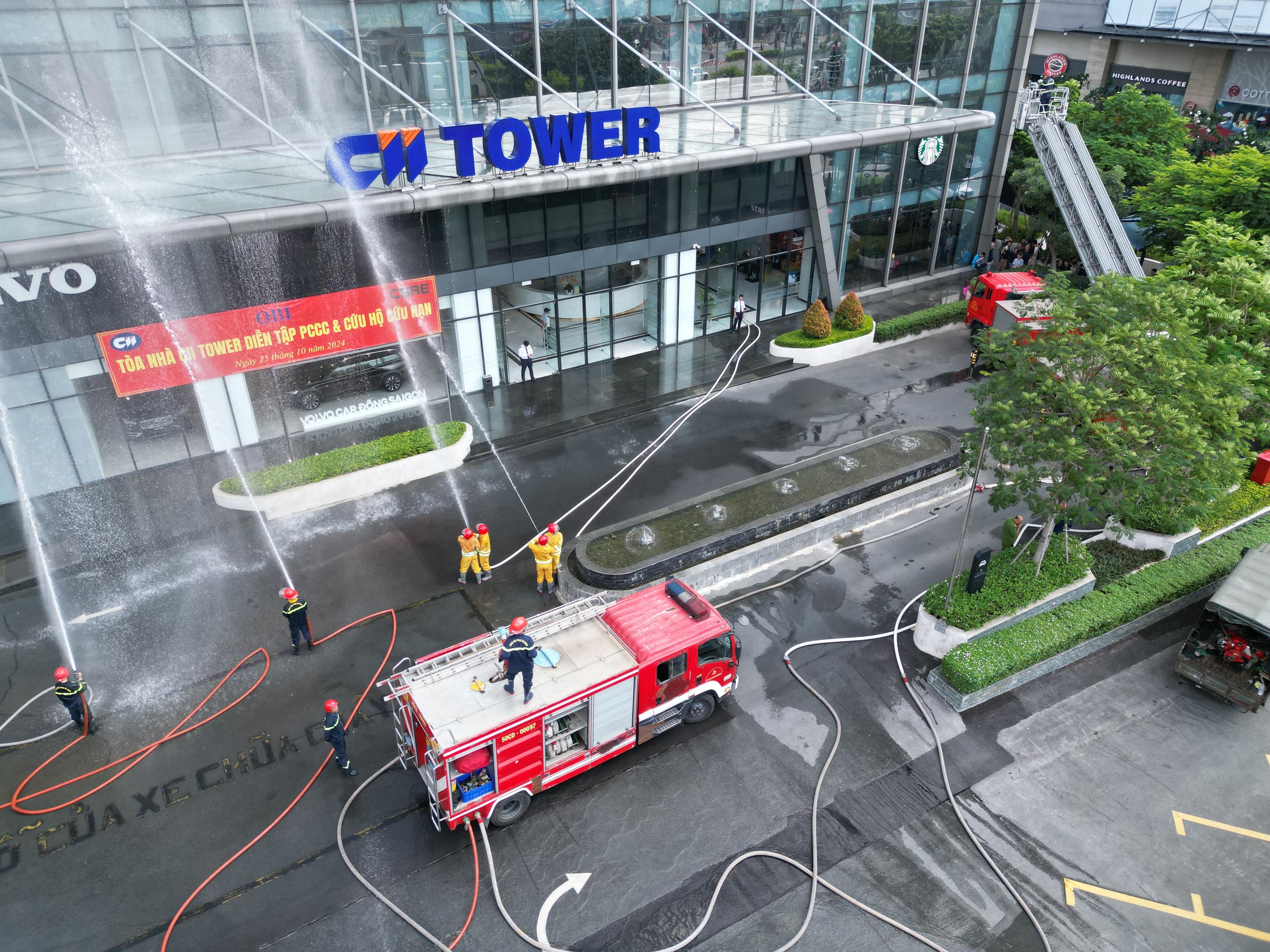
Several Occupational Safety and Health standards explicitly require employers to have emergency action plans for their workplaces.
Emergency preparedness is a well-known concept in protecting workers' safety and health.
This course also discusses the OSHA requirements detailed in 29 CRF 1910.38 (Emergency Action Plan). This standard is important for employers, managers, training directors, and other safety professionals.
Learning Objectives
• Emergency Action Plan (EAP) Components
• EAP Development
• EAP Policies and Procedures
• Natural and Man-made Emergencies
• Evacuation Routes
• Assembly Areas
• EAP Training and Drills
• Plan Review
• Management Duties and Responsibilities
• Plan Administrator Duties and Responsibilities
• Evacuation Warden Duties and Responsibilities
• Employees Duties and Responsibilities
Topics Covered:
1. Basic Questions
a. What is a workplace emergency?
b. What is an Emergency Action Plan?
c. What are the components of an effective Emergency Action Plan?
d. Do I Need an Emergency Action Plan?
e. How do I evaluate my workplace?
f. What are the steps in developing the EAP?
g. Quiz
2. Developing the EAP
a. Make sure the EAP meets specific needs
b. Consider and list potential natural or man-made emergencies
c. Develop rescue and medical assistance strategies
d. Important communications considerations
e. Identify methods for reporting fires and other emergencies
f. Develop methods to alert employees
g. Identify how and when employees will be trained
h. Address how and when drills and retraining will be conducted
i. Quiz
3. Policies and Procedures
a. One policy doesn't fit all situations
b. Duties and Responsibilities of the EAP Team
c. Determine specific evacuation routes and exits
d. Procedures for assisting people during evacuations
e. Assembly areas and methods to account for all employees
f. Address how visitors will be assisted in evacuation and accounted for
g. Quiz
4. Duties, Responsibilities and Training
a. Establish a Chain of Command
b. Establish authority
c. Determine who is in charge
d. Designate Evacuation Coordinators
e. Designate Evacuation Wardens
f. Conduct employee EAP training
g. What everyone should know how to do
h. Retraining and Practice Drills
i. Quiz
5. Plan Review, Coordination and Update
a. Review, coordinate, and update the plan
b. Coordinating with other organizations
c. Coordinate practice with other organizations
d. Update the EAP regularly
e. Quiz
Duration: 4 Hours

Crisis Management
About the Workshop
This interactive and participative training course will demonstrate that it is possible for an organization to plan for those ‘Unexpected Challenges’. It covers the best practices and the proven way of successfully dealing with a crisis. This workshop will constructively help participants to develop those essential crisis management skills and reveal how to effectively use techniques that will improve leadership performance at that critical time.
Learning Objectives
By the end of this workshop, participants will be able to:
Acquire in depth knowledge of the key aspects of strategic crisis management
Develop strategies ensuring you and your organization responds efficiently and effectively
Understand the deadly leadership behaviours and winning strategies in a crisis
Learn the fundamentals of organizing and managing crisis or emergency control centres.
Topics covered
1. Understanding crisis management
2. Understanding how to manage a crisis
3. Crisis managers – roles and responsibilities
4. Managing an issue before it becomes a crisis
5. Who should be involved?
6. Deadly leadership behaviours and winning strategies
7. Understanding ‘denial-curve’ and ‘group-think’ syndromes
8. Case studies
9. Who owns the mitigation process?
10. Developing and implementing Emergency Plans
11. Crisis management and communications
12. Command and control issues: operational, tactical and strategic
13. On scene crisis management, essential elements for success
14. Reputation management – managing the media
15. Alerting and warning: what can go right and what can go wrong
16. Major Incidents Simulation
17. Validation of plans and procedures
18. Post incidents evaluations: debriefing, managing debriefs
Methodology
• Classroom based training
• Videos
• Case studies
Duration: 12 hours
10 Hour Employee Occupational Safety And Health
About the Workshop
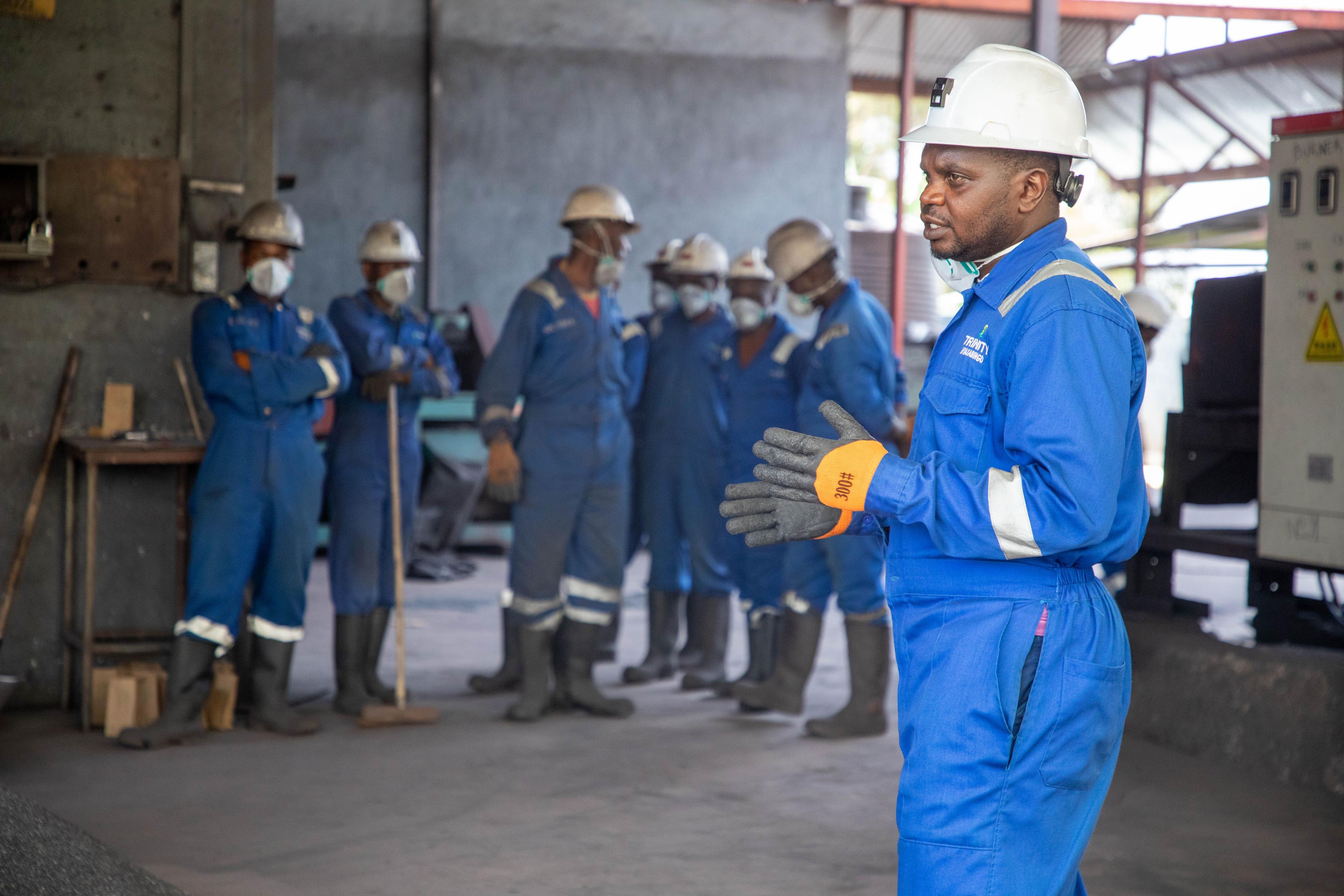
The 10-hour General Industry Outreach Training Program is intended to provide an entry level worker’s general awareness on recognizing and preventing hazards in a general industry setting.
Learning Objectives
By the end of this workshop, participants will be able to:
• Understand importance of OSHA in regulating employee safety in the workplace.
• Gain knowledge of employees' rights and employer responsibilities.
• Recognize various manufacturing processes, tasks, and equipment.
• Identify common hazards found in the workplace.
Topics Covered
1. Bloodborne Pathogens
2. Electrical Safety
3. Introduction to Ergonomics
4. Exit Routes, Emergency Action Plans, Fire Prevention Plans and Fire Protection
5. Fall Protection
6. Hazard Communications
7. Hazardous Materials
8. Introduction to Industrial Hygiene
9. Machine Guarding
10. Materials Handling, Storage, Use and Disposal
11. Personal Protective Equipment
12. Safety and Health Programs
13. Walking and Working Surfaces, including Full Protection
Duration: 10 Hours