

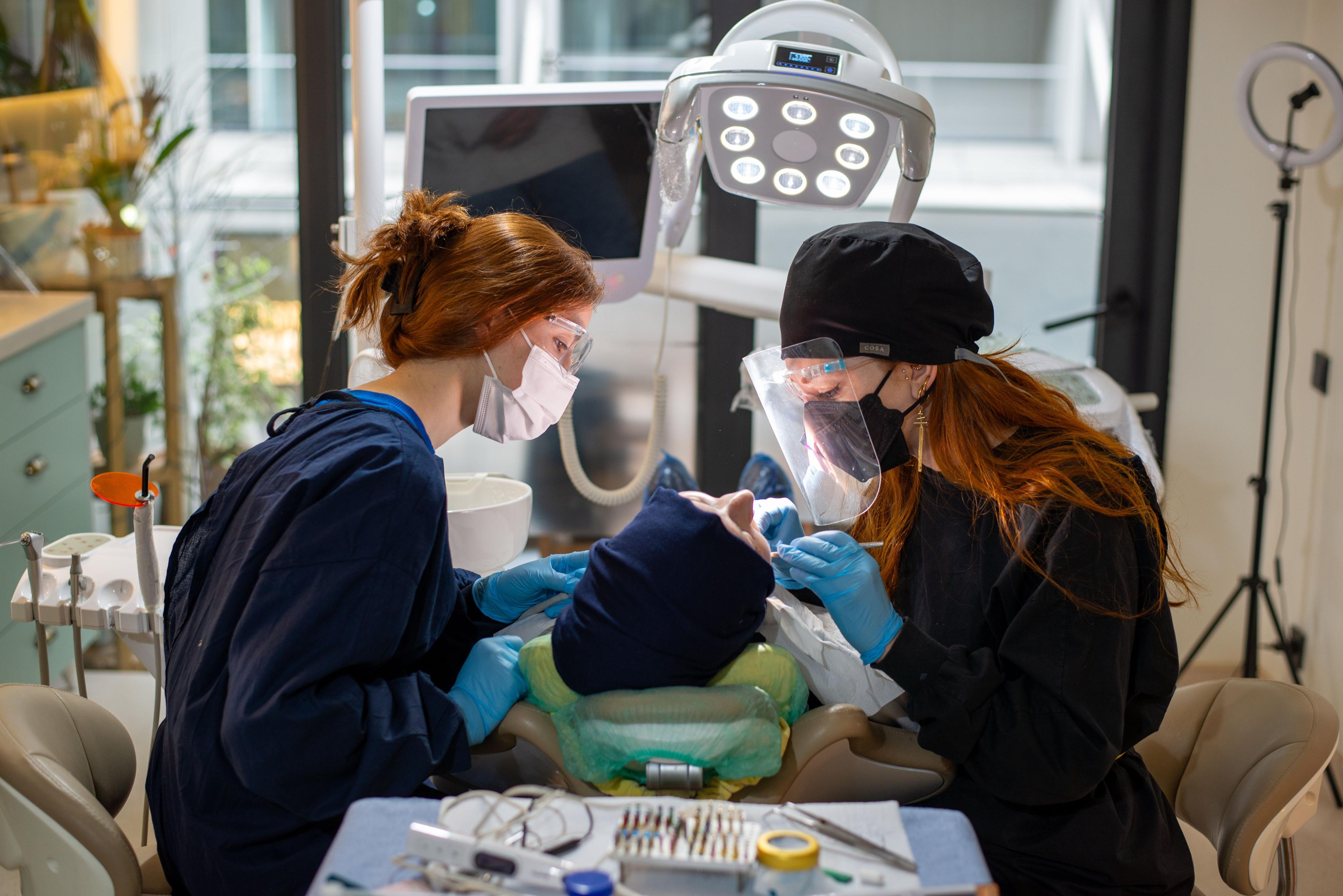
Occupational Safety And Health In Health Care Settings
Occupational Safety And Health In Health Care Settings
About the Workshop
Healthcare settings involve various occupational hazards that may affect the safety and health of healthcare professionals, administrative staff, and other workers. These hazards include exposure to infectious diseases, hazardous chemicals, biological materials, needlestick injuries, ergonomic risks, workplace violence, and physical hazards.
This workshop provides participants with the knowledge and practical skills needed to identify, assess, prevent, and manage occupational health and safety risks in healthcare environments. It focuses on promoting a safe working culture, applying appropriate infection prevention and control measures, and ensuring compliance with occupational safety and health standards.
Learning Objectives
By the end of this workshop, participants will be able to:
• Identify common occupational hazards in healthcare settings.
• Understand the principles and importance of occupational safety and health in healthcare environments.
• Conduct basic workplace hazard identification and risk assessments.
• Apply appropriate infection prevention and control measures.
• Understand the safe handling, storage, and disposal of hazardous materials and medical waste.
• Use personal protective equipment (PPE) correctly and effectively.
• Apply procedures to prevent and respond to workplace accidents, injuries, and emergencies.
• Promote a safe and healthy working environment for healthcare staff, patients, and visitors.
Topics Covered
1. Introduction to Occupational Safety and Health in Healthcare Settings
a. Overview of occupational safety and health.
b. Importance of workplace safety in healthcare facilities.
c. Roles and responsibilities of employers, managers, supervisors, and employees.
d. Occupational safety and health policies and procedures.
2. Identifying Occupational Hazards in Healthcare Settings
a. Biological hazards and exposure to infectious diseases.
b. Chemical hazards and exposure to hazardous substances.
c. Physical hazards, including noise, radiation, and slips, trips, and falls.
d. Ergonomic hazards and musculoskeletal disorders.
e. Psychological hazards, stress, and workplace burnout.
f. Workplace violence and aggression.
3. Infection Prevention and Control
a. Understanding infection transmission routes.
b. Standard precautions and transmission-based precautions.
c. Hand hygiene and personal hygiene practices.
d. Safe handling of blood and other potentially infectious materials.
e. Prevention and management of needlestick and sharps injuries.
f. Cleaning, disinfection, and sterilization procedures.
g. Isolation precautions and patient safety measures.
4. Personal Protective Equipment (PPE)
a. Types of PPE used in healthcare settings.
b. Selecting appropriate PPE according to identified risks.
c. Proper donning and doffing procedures.
d. Inspection, maintenance, and disposal of PPE.
e. Common mistakes in PPE use.
5. Safe Handling of Chemicals and Hazardous Materials
a. Identifying hazardous chemicals used in healthcare facilities.
b. Understanding Safety Data Sheets (SDS).
c. Safe storage, handling, and labeling of chemicals.
d. Chemical exposure prevention and spill management.
e. Safe handling of disinfectants and sterilizing agents.
6. Medical Waste Management
a. Classification of healthcare waste.
b. Segregation and proper disposal of medical waste.
c. Safe handling and disposal of sharps.
d. Storage, transportation, and treatment of healthcare waste.
e. Preventing occupational exposure during waste management.
7. Ergonomics and Safe Patient Handling
a. Understanding ergonomic risks in healthcare workplaces.
b. Safe patient lifting and transfer techniques.
c. Proper body mechanics and posture.
d. Preventing back injuries and musculoskeletal disorders.
e. Safe use of patient handling and lifting equipment.
8. Workplace Accidents and Incident Management
a. Common workplace accidents in healthcare settings.
b. Accident and near-miss reporting procedures.
c. Incident investigation and root cause analysis.
d. Corrective and preventive actions.
e. Documentation and recordkeeping.
9. Emergency Preparedness and Response
a. Emergency action plans in healthcare facilities.
b. Fire prevention and evacuation procedures.
c. Medical emergencies and first aid.
d. Chemical spills and hazardous material incidents.
e. Exposure incidents and post-exposure procedures.
f. Emergency communication and coordination.
10. Promoting a Safe Healthcare Workplace
a. Developing a positive safety culture.
b. Employee awareness and safety training.
c. Workplace inspections and safety audits.
d. Monitoring compliance with safety procedures.
e. Continuous improvement in occupational safety and health.
Methodology
• Interactive presentations and discussions.
• Practical demonstrations.
• Group activities and exercises.
• Healthcare-related case studies.
• Scenario-based learning.
Duration: 12 hours
Workshop Courses

Introduction to Leadership
Learn the fundamentals of effective leadership and management techniques.

Communication Skills
Master the art of communication in professional environments.

Project Management
Develop skills to efficiently plan, execute and complete projects on time.

Strategic Thinking
Learn to think strategically and make better business decisions.