
Self Engineering
It is a personal development plan that helps to keep you growing and moving forward, transforming your life into a powerful and successful one.

Work-Life Balance 2
About the Workshop
Achieving a healthy work-life balance is essential for maintaining well-being, productivity, and long-term professional success. In today’s demanding work environment, employees often face challenges in managing competing priorities, meeting deadlines, and maintaining personal commitments, which can lead to stress, reduced motivation, and burnout.
This workshop is designed to help participants understand the importance of work-life balance and develop practical strategies to manage their time, energy, and responsibilities more effectively. It focuses on setting priorities, establishing healthy boundaries, managing stress, and adopting sustainable habits that support both professional performance and personal well-being.
Learning Objectives
By the end of this workshop, participants will be able to:
• Understand the importance of work-life balance and its impact on well-being and performance.
• Identify personal and professional factors that affect work-life balance.
• Recognize common sources of stress and signs of burnout.
• Apply effective time-management and prioritization techniques.
• Establish healthy boundaries between work and personal life.
• Develop practical strategies for managing stress and maintaining energy.
• Improve their ability to manage competing responsibilities and expectations.
• Develop an individual action plan to achieve a more sustainable work-life balance.
Topics Covered
1. Understanding Work-Life Balance
a. Definition and importance of work-life balance
b. The relationship between work, personal life, and well-being
c. Common challenges in balancing professional and personal responsibilities
d. The impact of work-life imbalance on productivity, relationships, and health
e. Identifying personal values and priorities
2. Time Management and Prioritization
a. Understanding how time is currently spent
b. Identifying urgent versus important tasks
c. Setting realistic goals and priorities
d. Planning and organizing daily activities
e. Managing interruptions and avoiding unnecessary distractions
f. Delegation and effective use of available resources
3. Managing Stress and Preventing Burnout
a. Understanding stress and its common causes
b. Recognizing early signs of stress and burnout
c. Identifying personal stress triggers
d. Practical techniques for managing stress
e. Building resilience and maintaining emotional well-being
f. Incorporating rest and recovery into daily routines
4. Establishing Healthy Boundaries
a. Setting boundaries between work and personal life
b. Managing work-related communication outside working hours
c. Learning to say no professionally and appropriately
d. Managing expectations with colleagues and supervisors
e. Balancing availability with personal time
f. Maintaining healthy boundaries when working remotely
5. Building Healthy Habits and Sustainable Routines
a. The importance of sleep, physical activity, and nutrition
b. Taking effective breaks during the working day
c. Practicing mindfulness and relaxation techniques
d. Maintaining social connections and personal interests
e. Developing routines that support productivity and well-being
6. Creating a Personal Work-Life Balance Plan
a. Assessing current work-life balance
b. Identifying areas for improvement
c. Setting realistic and measurable goals
d. Developing strategies to overcome personal challenges
e. Monitoring progress and adjusting habits
f. Creating an individual action plan for sustainable change
Methodology
• Learning Concepts/Presentations
• Group Activities and Discussions
• Tips, Tools and Techniques
• Individual and Team Exercises
• Role Plays/Case Studies
• Self-Assessment and Reflection Exercises
• Action Plan to Ensure Application of the Learning
Duration: 6 Hours

Self Engineering / Time Management
About the Workshop
Peter Drucker stated: “The output limits on any process are set by the scarcest resource…time is the scarcest resource, and unless it can be managed, nothing else can be managed.”
Time is an extremely valuable resource that cannot be recycled. Many people claim that lack of time is a big problem. It is quite a shock for these people when they come to realize that it is not a problem, but that it is a symptom. It is a symptom of unclear objectives, of poor allocation of priorities, and poor planning.
Utilizing some basic time management principles can mean the difference between constantly managing crisis, and efficient work performance. Although mastering these principles do take time at the beginning, time a busy manger just doesn’t seem to have, within a very short time the benefits become apparent.
Effective management is learning how to put first things first. It is identifying your high leverage tasks that will allow you to achieve your goals and objectives.
Workshop Objectives
By the end of the workshop you will be able to:
• Assess your time management skills and identify areas for improvement
• Categorize tasks based on their importance and urgency
• Identify high-leverage tasks
• Recognize the different time wasters
• Set a strategy to deal with time wasters
• Use planning tools to help you schedule tasks and activities
• Articulate what can be delegated and what you must not delegate
• Delegate tasks more effectively
Covered Topics
1. Pareto’s Law
2. First Things First
3. Time Wasters
4. Dealing with Time Wasters
a. Procrastination
b. Meetings
c. Fatigue, Stress, and ill Health
5. Time Management Strategies
6. Daily Prioritizing
7. Scheduling
8. Planning Tools and Aids
a. Calendars
b. Activity Lists
c. Charts and Boards
d. Computers
e. Tickler Files
f. Daily Planning Calendar
9. Delegation
a. Benefits for the Manager
b. Benefits for the Employees
c. Benefits for the Organization
d. What Prevents Managers from Delegating
e. Pre-requisites of Effective Delegation
f. What to Delegate
g. What You Should Never Delegate
h. Components of Effective Delegation
i. Step-by-Step Delegation Process
10. Other Time Management Tips
Duration: 8 hours

Self Engineering / Stress Management
About the Workshop
By defining stress and learning to understand its effects on emotional health and in turn examine strategies for coping with stress as well as employing meditation techniques, make personal contacts positive and meaningful and explore ways to attain and maintain emotional maturity, you will be able to acquaint others with stress management skills which will increase productivity, performance levels and better attitudes.
Who should attend?
• Anyone coping badly with stress
• Anyone who needs to manage stress effectively
• Anyone with a low tolerance level leading to stress
• Anyone looking to enhance their emotional health
Covered Topics
1. Understanding stress
a. Recognizing stress
b. Identifying behaviour patterns
c. The three stages of stress
d. Examining workplace stress
e. Stress in your workplace
f. Understanding burnout
g. Finding the right amount of stress
2. Taking responsibility for your own stress
a. Identifying stress in your life
b. Coping with stress
c. Stress release
d. Case study: Maria’s overwhelming stress
3. Reducing stress through biofeedback, mindfulness, and meditation
a. Understanding biofeedback and mindfulness
b. Meditation exercise
c. Seven attitudes that contribute to emotional health
4. Improving relationships with self and others
a. Accepting yourself as a unique individual
b. Realistic and unrealistic expectations
c. Assessing your strengths
d. Acknowledging universal human needs
e. Building better relationships
f. Recognizing negative relationship patterns
g. How well do you relate to others?
h. Case study: john relates to family and friends
5. Enhancing your emotional health
a. Understanding emotional maturity
b. Case study: roger deals with a common problem
c. Exploring your own emotional fitness
d. Building self-confidence
e. Solving problems openly
f. Ten tips for maintaining emotional fitness
g. Case study: carol looks ahead
h. Setting personal goals
Approach
• Visual/Audio techniques
• Story telling
• Case studies
• Practice
Duration: 12 hours

Self Engineering / Self Leadership
About the Workshop
Self-leadership is not a destination, it’s a daily process.
Self-leadership does not come with a user manual and by the time we are done with all the trials and errors, we realize that some things cannot be mended, or that we are just lost somewhere.
This lectured course aims to inspire individuals to take daily action towards achieving results and owning their life properly.
Application of what will be introduced is key.
Learning Objectives
By the end of this course, participants will be able to:
• Understand what self-leadership is
• Commit to changing what no longer works
• Discipline themselves
• Correct repeated mistakes
• BE held accountable and responsible
• Create an action plan of good change
Topics Covered
1. Life as a Test
2. It’s YOUR Life
3. Starting a New Chapter
4. Some Motivation
5. Mindset #1: Owning It
6. Mindset #2: Choosing to Think and Feel Effectively
7. Mindset #3: Self-Awareness
8. Mindset #4: Self-Confidence
9. Mindset #5: Self-Efficacy
10. Mindset #6: Influence
11. Mindset #7: Impact
12. Self-Leadership Methods
Duration: 6 Hours


Planning Your Work And Working Your Plan
About the Workshop
This workshop is designed to provide participants with practical planning tools allowing them to turn their goals into reality. Participants will also be able to understand the key elements of planning and organizing - and recognize how they can be readily applied in the work environments.
Learning Objectives
By the end of this workshop, participants will be able to:
• Recognize and practice planning methods
• Gain helpful planning tips and strategies for better coordination
• Develop an Action Plan to Work the Plans
Topics Covered
1. Introduction to Planning
a. Starting with the end in mind
b. Major Types of Planning
c. The Planning Models
d. The Basic Steps
e. The Key Ingredients for Successful Planning
2. Coordinated Planning:
f. Tips and Tools for Better Coordination
g. Determine Your Strengths & Areas of Development
3. Your Plan of Action
h. Strategies
i. Review: The Basic Steps
j. Establishing Priorities
k. A Friendly Reminder
Duration: 6 Hours

Self Engineering / Personal Branding
About the Workshop
Jeff Bezos, CEO of Amazon said “A brand is what people say about you when you are not in the room.”
How does image relate to a person’s success, which in turn is related to the success of the organization they are a part of?
Much like branding being a crucial part of a company’s marketing strategy, personal branding is just as important to anyone operating in any market.
Personal branding follows the same principles of branding and marketing though it is applied to an individual.
This workshop provides a structured approach to help you define, plan and execute a branding strategy for yourself not only for your company.
Learning Objectives
By the end of this workshop, delegates will be able to:
• Take advantage of the best practice guidelines to design their personal brand
• Define their specific expertise to use it to define their personal brand
• Identify their mission statement and goals in order to express themselves with their brand
• Formulate their branding strategy in line with their goals and mission statement
• Design their personal pitch and brand in line with their goals and branding strategy
• Use a number of proven strategies to market their personal brand and publicize themselves
• Adopt presentation skills to utilize to further enhance their “brand”
Topics covered
1. Effective Branding
a. What is personal branding
b. Guidelines to follow when developing your brand
c. The 5-Step approach to personal branding
2. Define Expertise
a. How you should approach personal branding
b. What is your expertise?
3. Define Mission Statement
a. What is a mission statement?
b. What are some examples of poor mission statements?
c. What are the three areas to consider when creating an effective and useful mission statement?
4. Define Branding Strategy
a. What are effective branding strategies?
b. What can you learn from the world of marketing?
c. How can you think like a marketer?
d. Strategies should you consider to promote your personal brand when working for a company
5. Designing your Brand
a. Strategies to help you become more memorable
b. Brand identity and uniqueness
c. Learning from politicians and celebrities
d. Considerations when designing your personal pitch
e. Where is your reputation?
6. Delivering Self-Marketing
a. Important areas to consider when marketing yourself
b. Strategies to help you in self-marketing
7. Situational Presentation Skills for Executives
a. Planning your presentation
b. Structuring the presentation
c. Preparing to present
d. Managing the presentation
e. Presentation checklist
f. Marketing yourself in addition to the content (bringing it all together)
Duration: 12 hours

Self Engineering /Goal Setting
About the Workshop
We sometimes perceive goal setting as putting together a bunch of techniques and applying them across time, which is a big mistake and rarely works.
Each individual is different in terms of tendencies and triggers, we each come from different backgrounds and experiences, it is essential to understand these aspects and what sets us up for failure when it comes to goal setting before actually practicing the famous techniques.
This workshop is rich with self-assessments and packed with knowledge to equip the participants with the needed information and techniques that will allow them to successfully set goals and manage them efficiently.
Learning Objectives
By the end of this workshop, participants will be able to:
• Understand what works and what doesn’t
• Learn their tendencies and triggers
• Grasp a proper understanding of goals and how to prepare for them
• Set goals successfully
Topics Covered
1. Setting Smart Goals
a. What are the different types of goals?
b. The Three P’s
c. SMART goals
d. Pareto’s Law
e. The Productivity Cycle
f. Steps for creating a plan
g. Overcoming Procrastination
h. Attention
i. Rituals
2. The Four Types of Deadlines
a. Imposed deadlines
b. Commitment to other people’s deadlines
c. Our Deadlines
d. No Deadlines
3. How to actually reach your goals
4. The Four Tendencies
a. The Upholder
b. The Questioner
c. The Obliger
d. The Rebel
5. Strategies to Reach your Goals
Duration: 6 hours


Emotional Intelligence
About the Workshop
Emotional Intelligence is defined as a set of competencies demonstrating the ability one has to recognize his or her behaviors, moods, and impulses, and to manage them best according to the situation.
This course will give you the tools you need to be emotionally intelligent in your workplace. An individual with high emotional intelligence can manage his or her own impulses, communicate with others effectively, manage change well, solve problems, and use humor to build rapport in tense situations.
Learning Objectives
By the end of this workshop, participants will be able to:
• Define and practice self-management, self-awareness, self-regulation, self-motivation, and empathy.
• Understand, use and manage their emotions.
• Verbally communicate with others.
• Successfully communicate with others in a non-verbal manner.
• Identify the benefits of emotional intelligence.
• Relate emotional intelligence to the workplace.
• Balance optimism and pessimism.
• Effectively impact others.
Topics Covered
1. Introduction
2. What is Emotional Intelligence?
a. Self-Management
b. Self-Awareness
c. Self-Regulation
d. Self-Motivation
e. Empathy
3. Skills in Emotional Intelligence
a. How to Accurately Perceive Emotions
b. Use Emotions to Facilitate Thinking
c. Manage Emotions
4. Verbal Communication Skills
a. Focused Listening
b. Asking Questions
c. Communicating with Flexibility and Authenticity
5. Non-Verbal Communication Skills
a. Body Language
b. It’s Not What You Say, It’s How You Say It
6. Social Management and Responsibility
a. Benefits of Emotional Intelligence
b. Articulate your Emotions Using Language
7. Tools to Regulate Your Emotions
a. Seeing the Other Side
b. Self-Management and Self-Awareness
c. Giving in Without Giving Up
8. Gaining Control
a. Using Coping Thoughts
b. Using Relaxation Techniques
c. Bringing it All Together
9. Business Practices (I)
a. Understand Emotions and How to Manage Them in the Workplace
b. Role of Emotional Intelligence at Work
c. Disagreeing Constructively
10. Business Practices (II)
a. Optimism
b. Pessimism
c. The Balance Between Optimism and Pessimism
11. Making an Impact
a. Creating a Powerful First Impression
b. Assessing a Situation
c. Being Zealous without Being Offensive
Duration: 12 hours

Critical Thinking
About the Workshop
We live in a knowledge based society, and the more critical you think the better your knowledge will be.
Critical Thinking provides you with the skills to analyze and evaluate information so that you are able to obtain the greatest amount of knowledge from it.
It provides the best chance of making the correct decision, and minimizes damages if a mistake does occur.
Critical Thinking will lead to being a more rational and disciplined thinker.
It will reduce your prejudice and bias which will provide you a better understanding of your environment.
This workshop will provide you the skills to evaluate, identify, and distinguish between relevant and irrelevant information.
It will lead you to be more productive in your career, and provide a great skill in your everyday life.
Learning Objectives:
By the end of this workshop, participants will be able to:
• Understand the components of critical thinking
• Utilize non-linear thinking
• Use logical thinking
• Recognize what it means to be a critical thinker
• Evaluate information using critical thinking skills
• Identify the benefits of critical thinking
• Revise perspective, when necessary
• Comprehend problem solving abilities
Topics Covered:
1. Components of Critical Thinking
• Applying Reason
• Open Mindedness
• Analysis
• Logic
2. Non-Linear Thinking
• Step Out of Your Comfort Zone
• Don’t Jump to Conclusions
• Expect and Initiate Change
• Being Ready to Adapt
3. Logical Thinking
• Ask the Right Questions
• Organize the Data
• Evaluate the Information
• Draw Conclusions
4. Critical Thinkers (I)
• Active Listening
• Be Curious
• Be Disciplined
• Be Humble
5. Critical Thinking (II)
• Seeing the Big Picture
• Objectivity
• Using Your Emotions
• Being Self-Aware
6. Evaluate the Information
• Making Assumptions
• Watch out for the Bias
• Ask Clarifying Questions
• SWOT Analysis
7. Benefits of Critical Thinking
• Being More Persuasive
• Better Communication
• Better Problem Solving
• Increased Emotional Intelligence
8. Changing Your Perspective
• Limitations of Your Point of View
• Considering Others Viewpoint
• Influences on Bias
• When New Information Arrives
9. Problem Solving
• Identify Inconsistencies
• Trust Your Instincts
• Asking Why?
• Evaluate the Solution(s)
10. Putting It All Together
• Retaining Your New Skills
• Reflect and Learn From Mistakes
• Always Ask Questions
• Practicing Critical Thinking
Duration: 9 up to 12 Hours


Building Professional Resilience
About the workshop
Contemporary life is stressful, and we all need to become more resilient both personally and professionally.
Given the current outbreak of COVID-19 and many people’s rising concerns, about their health, their families and their jobs, preserving and building our personal and professional resilience supported by practical, digitally enabled strategies is more important than ever.
Resilience is commonly thought of as the capacity to ‘bounce back’ after stressful life events, but it’s also far more complex than that.
Learning Objectives
Through this workshop you will:
• Explore different definitions of resilience.
• Discover how you can learn to become more resilient.
• Investigate how resilience contributes to career success.
• Explore the role of organisations and communities in building resilience.
• Produce your own resilience plan.
The big question the workshop will answer is: how can we learn to be more resilient?
You will have the opportunity to engage with the facilitator and other participants and share with one another how to build new approaches to resilience and adapt old ones as we all move together through uncertain times.
Topics covered
1. What is resilience and why is it important?
a. What helps us become resilient.
b. Investigating different approaches to resilience.
c. Everyday resilience.
2. Learning to become resilient.
a. Can we learn resilience?
b. Investigating learnt resilience.
c. Ecologies of resilience.
3. Key ideas and principles.
4. Building resilient capabilities and skills.
a. Reframe your problems.
b. Build your way forward.
c. Listening to communicate.
5. Building resilient self-care practices.
a. Mindfulness, self-awareness and self-care.
b. Practicing everyday mindfulness.
c. Sleep on it: how sleep helps build resilience.
d. Revisit how you define resilience.
6. Building resilient values and engagement.
a. Making meaning.
b. Compassion for self and others.
c. Colleagues, friends and teams.
d. Create your own resilience plan.
7. Answering the BIG question.
Duration: 6 hours
Body Language 2
About the Workshop
“The face is the mirror of the mind, and eyes without speaking confess the secrets of the heart.”
St. Jerome quotes
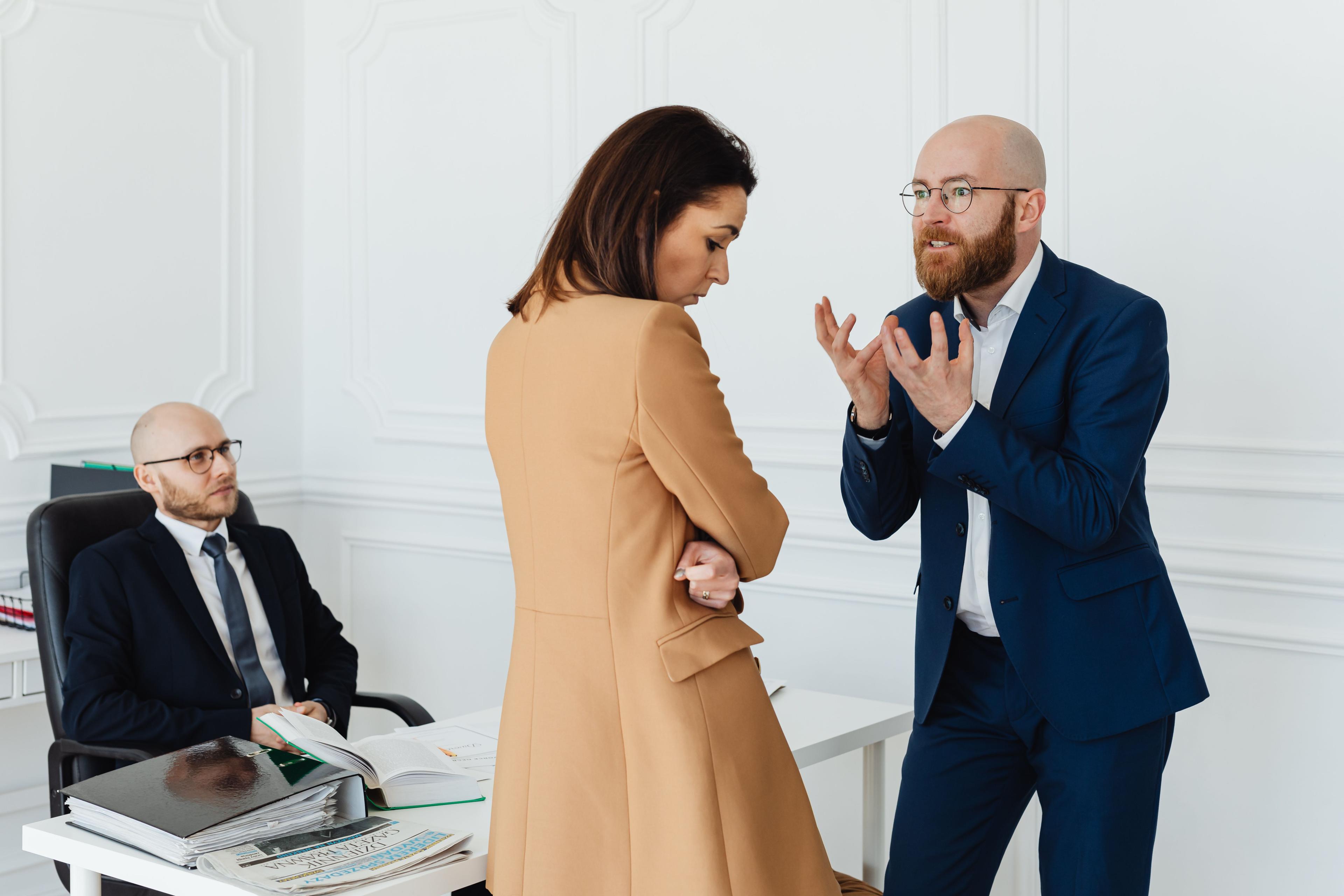
Many studies show that we communicate mainly through body language, especially when we are in an emotional state. Since many of our achievements in life depend on how well we interact with others, it is quite critical to know how to communicate beyond words.
Imagine how much you can gain by reading people by looking at their legs, arms, head, gesture, posture, eyes, mouth and hands, all before they say a single word. You can read their feelings before they tell you about them. There is a huge power in that which allows you to improve your relationships with people, whether at work or in personal life.
Who should attend?
• Anyone
Covered Topics
1. What is body language all about?
2. What are universal non-verbal gestures?
3. How to read body language
4. How to interpret a person's signals on initial contact
5. How to read a person's eyes
6. How to avoid misinterpretation and deliberate faking
7. How to interpret feelings
8. What is the difference between positive and negative body language and how does it affect communication?
9. How to read a person's confidence and frustration
10. How to interpret the eyes and read eye cues
11. How to spot lies, dishonesty, doubts and thinking
Approach
• Visual/Audio techniques
• Story telling
• Case studies
• Practice
Duration: 6 hours